I had an 'Oil Can' installed on my ftypeR late last year, didn't drive it much before putting it away for the winter. I've had the car out now for a few days and since the install, I would estimate less than 500 miles, although I plan to double check my mileage records to be sure.
To anyone interested, here is the unscientific findings.
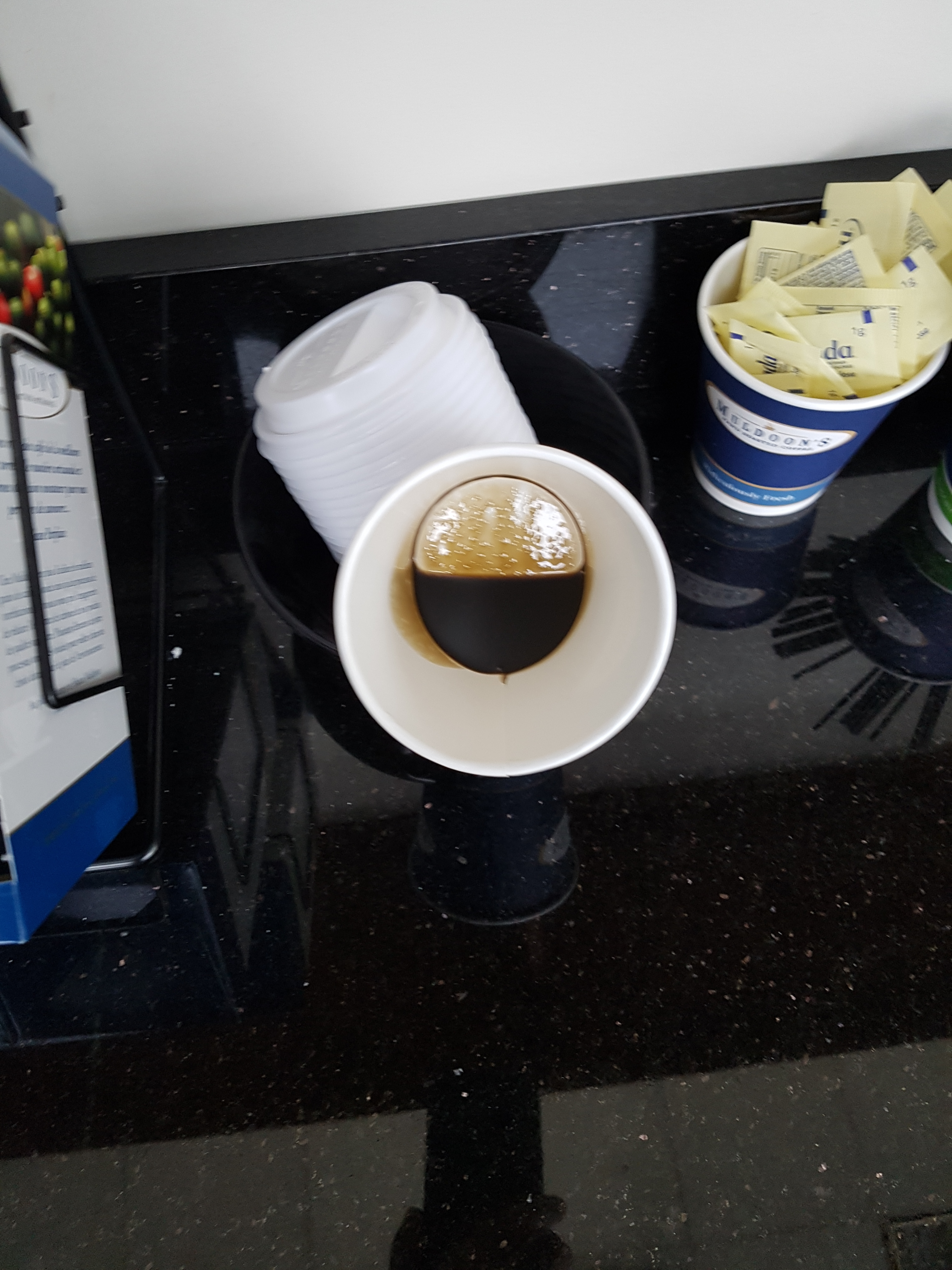
Had the oil and filter changed today and the 'oil can' had at least an ounce of oil in it, that would otherwise have passed through the supercharger and over the valves. I'll take a look at it in a few thousand miles to see how much the 'can' catch's over a longer stretch.
Lawrence.
I had an 'Oil Can' installed on my ftypeR late last year, didn't drive it much before putting it away for the winter. I've had the car out now for a few days and since the install, I would estimate less than 500 miles, although I plan to double check my mileage records to be sure.
To anyone interested, here is the unscientific findings.
Had the oil and filter changed today and the 'oil can' had at least an ounce of oil in it, that would otherwise have passed through the supercharger and over the valves. I'll take a look at it in a few thousand miles to see how much the 'can' catch's over a longer stretch.
Lawrence.
Less than a quart flying past the valves in 100k miles with detergent compounds in the fuel...I'm not going to lose any sleep or install a can. If it was revving to 7k rpm for several hours on track weekends, that would be a different discussion.
My understanding that with directly injected engine fuel doesn't wash over intake valves and that why any oil getting will end up as residue that can turn into sludge.
Personally, I am not looking forward to walnut blasting, however this is likely in the near future for all of us that drive enthusiastically.
My understanding that with directly injected engine fuel doesn't wash over intake valves and that why any oil getting will end up as residue that can turn into sludge.
Personally, I am not looking forward to walnut blasting, however this is likely in the near future for all of us that drive enthusiastically.
Perhaps the intake valves don't see much fuel, but with the massive overrun we have tuned into the car, the exhaust valves are flooded on a regular basis.
Perhaps the intake valves don't see much fuel, but with the massive overrun we have tuned into the car, the exhaust valves are flooded on a regular basis.
Exhaust valves don't really see this problem. Its all the intake valves.
And the amount of oil in the can and the mileage are both estimates, but not likely too far off.
I'm not raising a particular concern, however I expected to only see a few drops.
This result doesn't really signify that others should install one; I put it on in the first place more as an experiment and with this result I'm glad I did.
This engine hardly uses any oil between changes (maybe a quarter/half quart or so) and I drove it hard before putting it away last fall which may have contributed to the catch can having a bit more in it than I anticipated.
I put a catch can on my Supercharged Tacoma, it doesn't burn oil (at least oil isn't low with 6k changes) but the can definitely collects nasty oil. Not much, but enough that I don't want clogging up my valves and supercharger.
I was thinking about one for the F, where did you put it? How big is it?
I put a catch can on my Supercharged Tacoma, it doesn't burn oil (at least oil isn't low with 6k changes) but the can definitely collects nasty oil. Not much, but enough that I don't want clogging up my valves and supercharger.
I was thinking about one for the F, where did you put it? How big is it?
Its not very big and I will see about pictures this weekend... we just had a bad winter storm here, so I'm not sure I can get the car out of the shed for a day or so.
Lawrence
.. First picture:Oil in the cup is from the oil catch can as mentioned previously
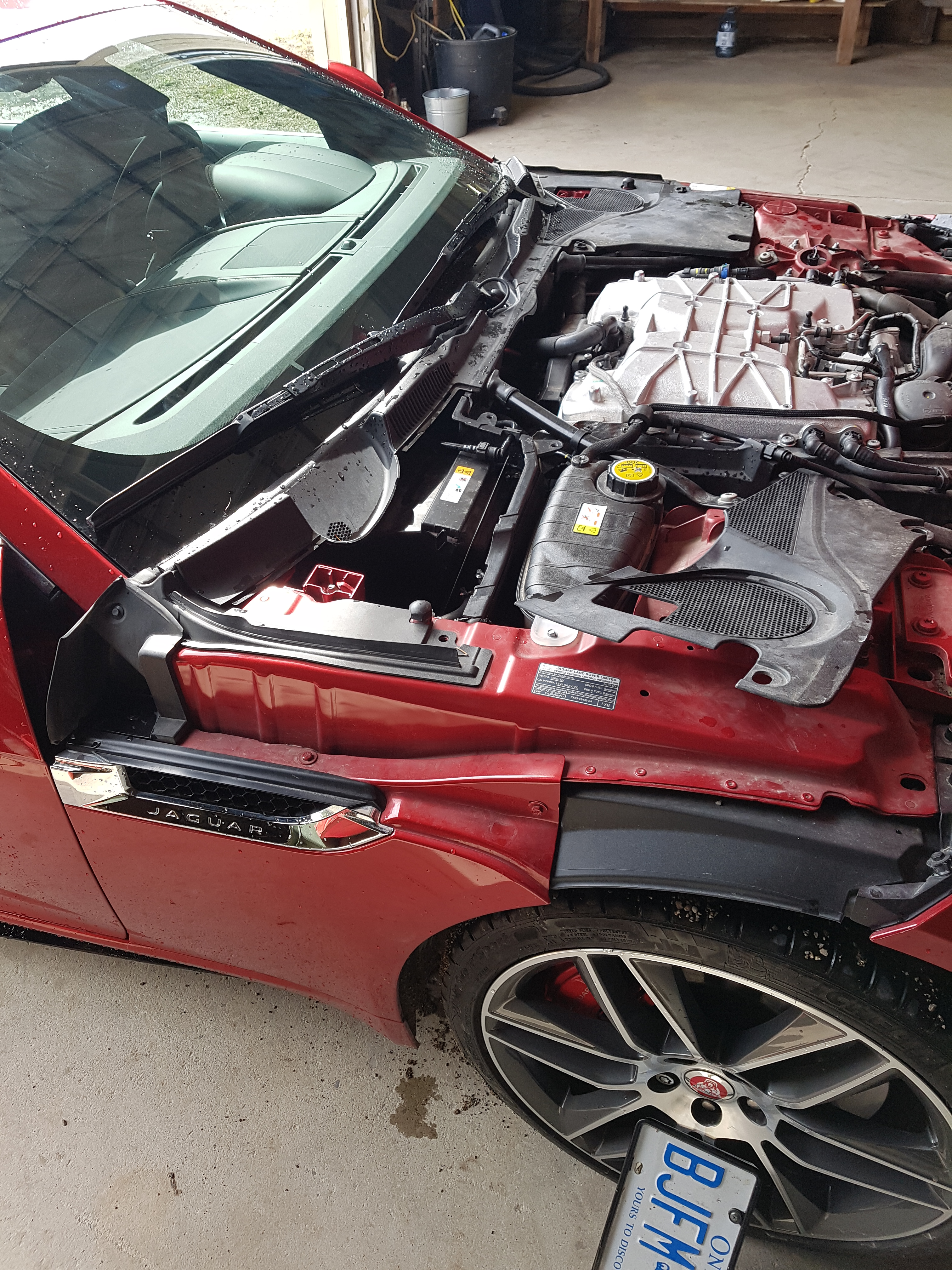
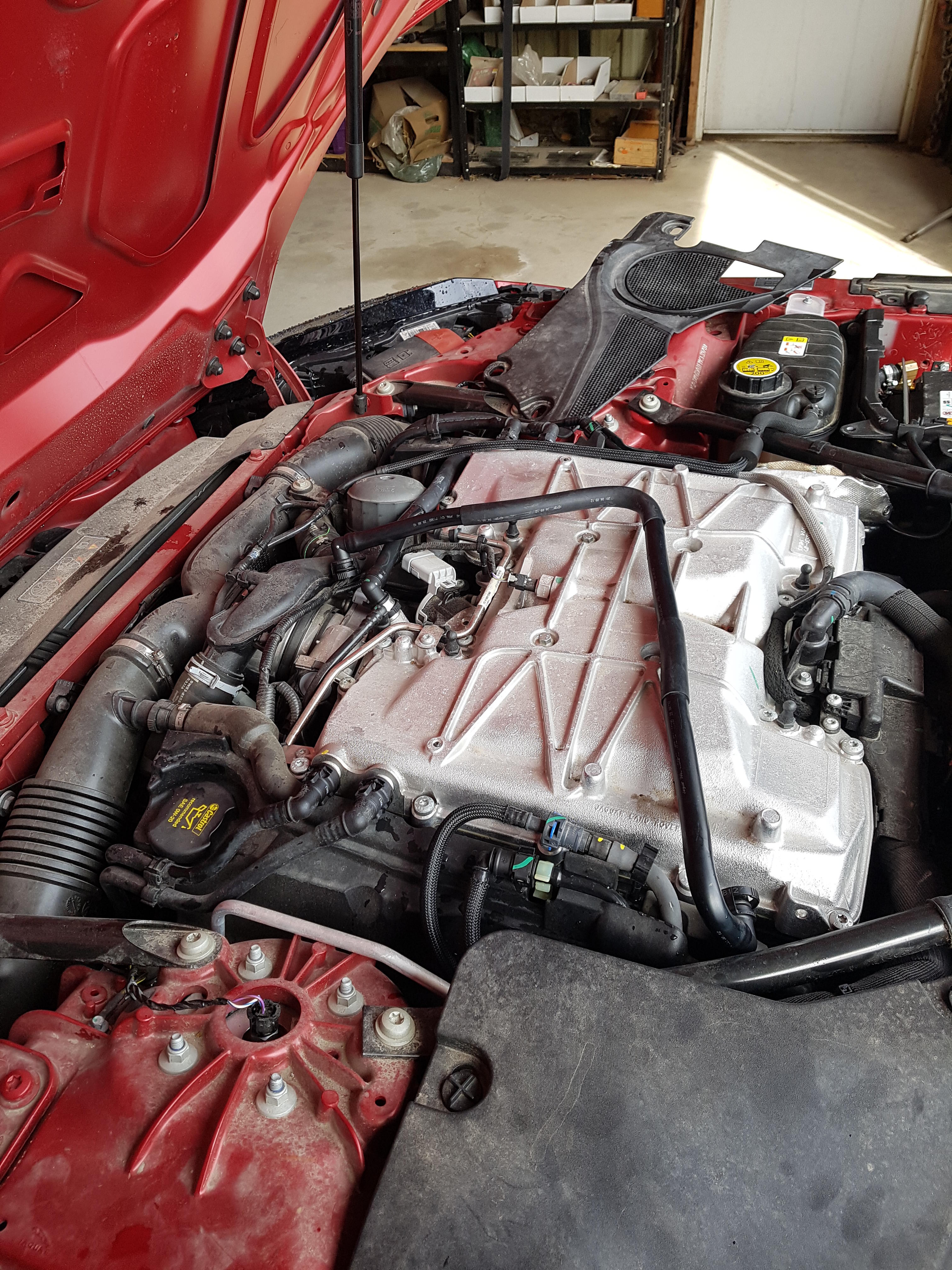
.. Second shows the installation is on the passenger side
.. Third shows the oil can
.. Fourth shows the tube that was removed to 'locate' the oil can.
Lawrence
Call me basackwards, I ordered and received a can and was researching the shop manual about where to cut it in...and noticed this
Am I reading this correctly, that there is a valve that routes air and oil to the proper respective locations- and thereby rendering the catch can redundant?
Call me basackwards, I ordered and received a can and was researching the shop manual about where to cut it in...and noticed this
Am I reading this correctly, that there is a valve that routes air and oil to the proper respective locations- and thereby rendering the catch can redundant?
I was at the Jaguar shop today and the mechanic that installed the Oil Catch Can reviewed the 'part load breather' with me to explain what he did.
See the diagram above that is related to the part load breather.
First of all he said that this is where almost all the oil vapour that is generated comes from during most driving situations. The vapours come up from the bottom ride side and go through a separator baffle so excess oil drains back to the engine. He cut in at the top left side, right about were the hose bends back in the direction of the arrows, as more oil is still present and the catch can picks up quite a bit. I would say a quarter cup every few thousand miles.
He mentioned that he has seen instances on high mileage engines like ours were the idle got rough and the engine threw a mis-fire code.. all due to caked values, along with a 5-10% drop in compression... due to oil vapour.
This is not news as other manufacturers engines have has similar issues.
Hope this helps.
Lawrence
He mentioned that he has seen instances on high mileage engines like ours were the idle got rough and the engine threw a mis-fire code.. all due to caked values, along with a 5-10% drop in compression... due to oil vapour.
This is just the nature of direct injection. No matter how many catch cans you install carbon buildup on the values is still going to happen. Its not simply due to oil vapor in the intake. Walnut blasting on DI motors is normal maintenance.