When you click on links to various merchants on this site and make a purchase, this can result in this site earning a commission. Affiliate programs and affiliations include, but are not limited to, the eBay Partner Network.
I'm surprised Doug Dwyer hasn't commented yet. He runs a V12 and has done for many years, as I understand it. We here in poor little England with petrol costing the earth tend not to run V12s ! The car looks amazingly good, and your issues so far are minimal.
Many years ago in the mid-80s my wife and I visited the Castle Bromwich factory in BIrmingham that were churning out bodyshells for the XJ40 series of saloons. However we were shown into a large shed where grey and white haired guys were lead loading bodyshells for the V12 saloons. About 50 a week were made, most being Daimler badged, but the US cars had to be Jaguars because Daimler-Benz whose cars are all badged Mercedes-Benz as we all know, had the Daimler name registered in the US. A bit of a dog-in-the-manger attitude I must say as they have never, ever, sold a Daimler-badged car in the US !
I did not know that this is why Daimler was used in the US. This is really interesting. WRT to the build process, you really can't building a car today that will look like this.
Originally Posted by Fraser Mitchell
I'm surprised Doug Dwyer hasn't commented yet. He runs a V12 and has done for many years, as I understand it. We here in poor little England with petrol costing the earth tend not to run V12s ! The car looks amazingly good, and your issues so far are minimal.
Many years ago in the mid-80s my wife and I visited the Castle Bromwich factory in BIrmingham that were churning out bodyshells for the XJ40 series of saloons. However we were shown into a large shed where grey and white haired guys were lead loading bodyshells for the V12 saloons. About 50 a week were made, most being Daimler badged, but the US cars had to be Jaguars because Daimler-Benz whose cars are all badged Mercedes-Benz as we all know, had the Daimler name registered in the US. A bit of a dog-in-the-manger attitude I must say as they have never, ever, sold a Daimler-badged car in the US !
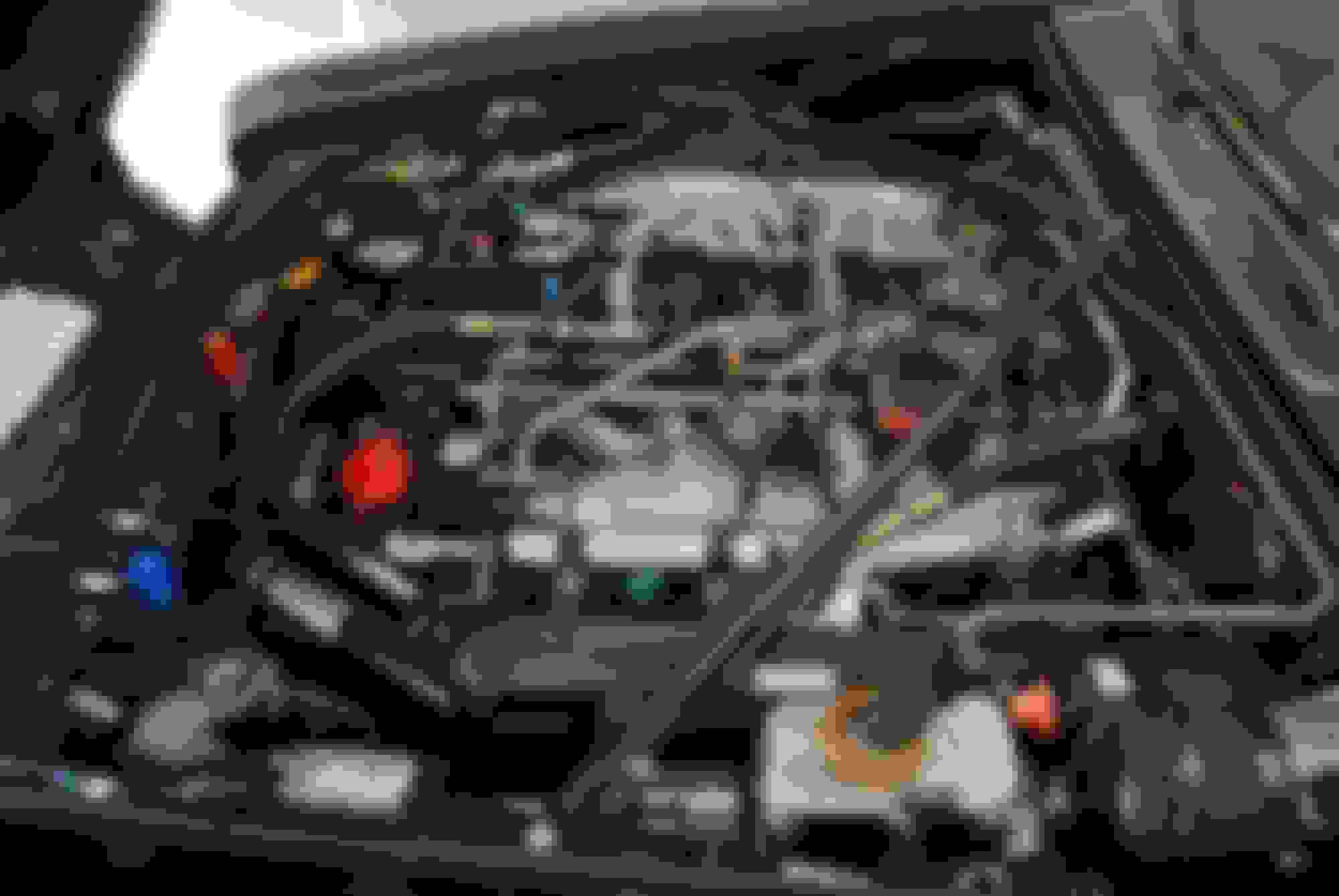
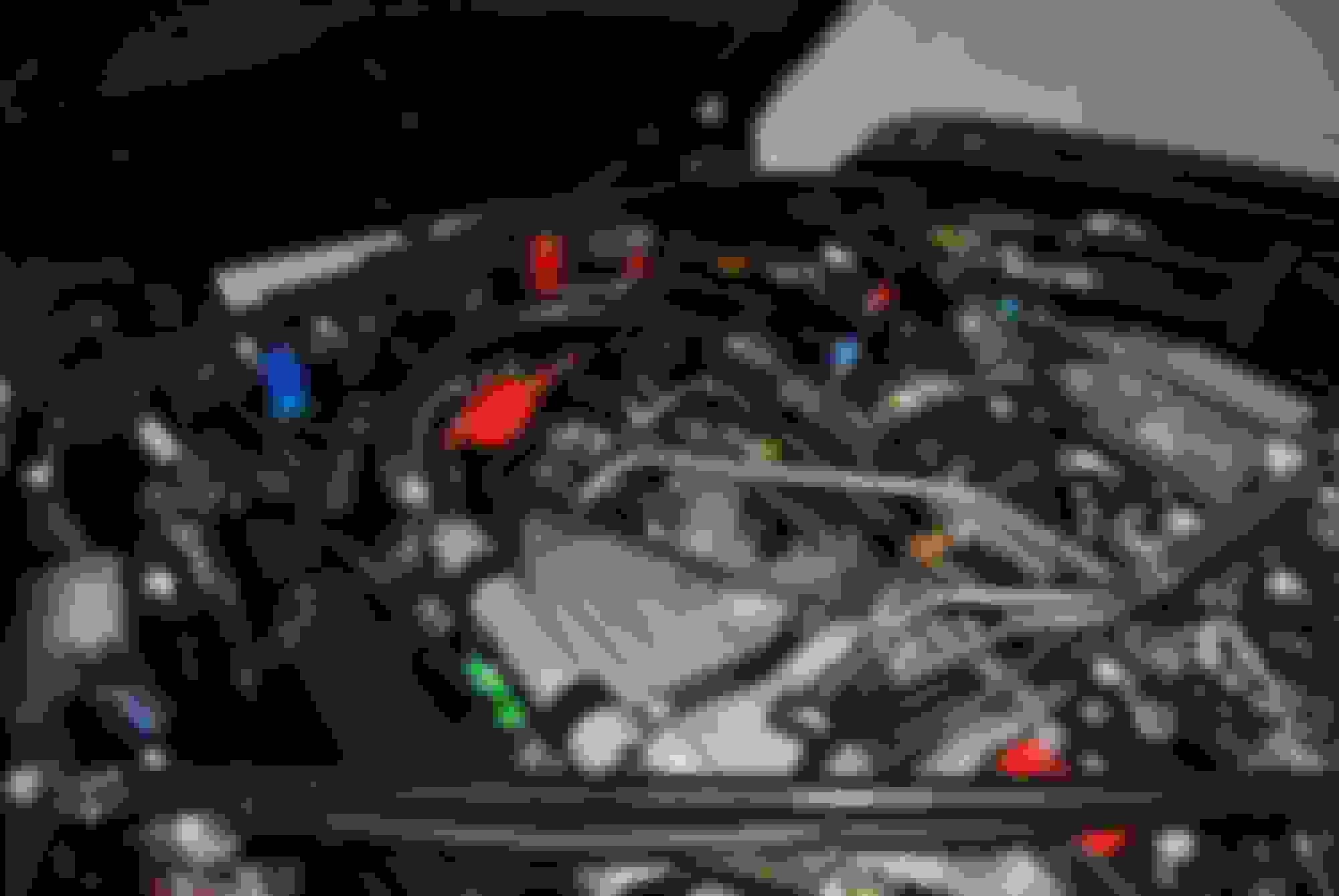
As you go through the process of reviving this interesting car, these photos may be of some help - the engine pictured is 100% as original and correct (1992 V12 VDP). The bellows behind the compressor is for the cruise control. The three relays directly in front of the compressor on the rad rail are 1) the red cylindrical: electric engine fan,2) the two silver square relays are the fuel pump relay (black base) and 3) the "main relay" (red base) which triggers the fuel pump rleay. They are not identical; the main relay has an 87a conection as well as an 87 and it has a red diagonal slash on the top to differentiate it. These are Bosch relays and there are generic substitutes which have already been fitted to your car. Failure to start can be caused by either of the two relays being faulty, OR by a failed GM Delco 1906 module in the ignition amplifier (the square black box on the top of the left side manifold), and very rarely, by a failed pick-up in the distributor.
There is no interference of the AC ports with the bonnet pad - but I note that your new car does not have the original pad, so that might be part of the problem.
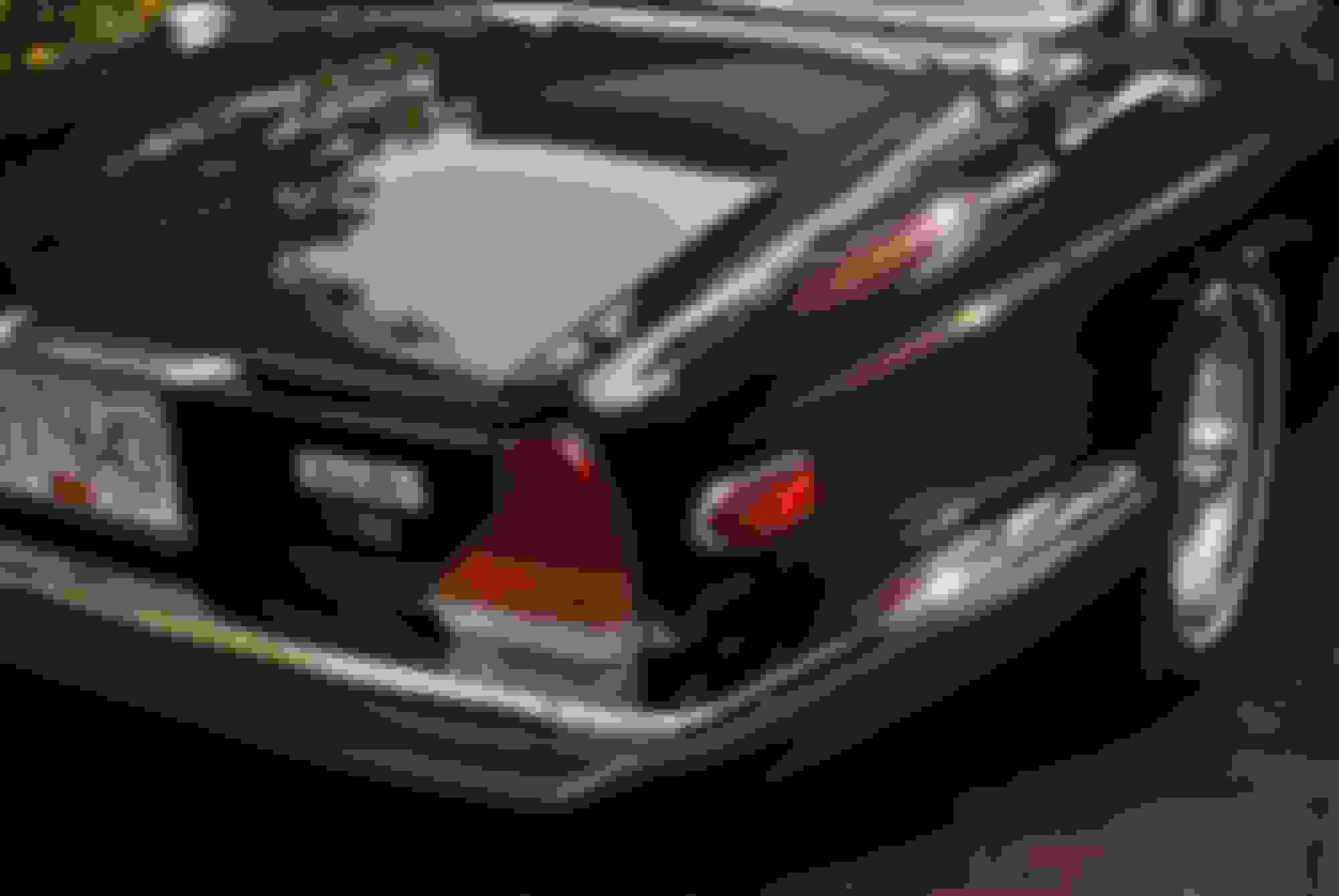
When and if you get to cosmetics, the correct length for the coachline is:
I'm surprised Doug Dwyer hasn't commented yet. He runs a V12 and has done for many years, as I understand it.
My daily driver, yes.
I enjoy it a lot. The most modern of all antique automobiles
We here in poor little England with petrol costing the earth tend not to run V12s !
If driven very gently the V12 fuel consumption can range from tolerable (city) to surprisingly good (open road). It all goes to pieces if driven with gusto...which is my preferred manner. Fortunately for me my circumstances are such that it isn't too much of an issue; I don't drive very many miles per day. Everything I normally need is within 5 miles of home!
I filled up once in Canada as the car was running on fume (even though the gauges told me that it was full). That was enough of that. It's not that I'm not used to owning cars with big engines, I own some with 6.75, 7.2 and 7.7 liter motors. But they're in Texas were unleaded is $2.65/gallon. Last year when the oil prices collapsed, I'd like say that I did my part to save the oil industry.
So I went out yesterday and the VTR-68a done. This is a form that's used to verify the vin # before Texas would title it. The drive home was fine but not having a working fuel gauge is a little unnerving. I had to switch the tank to the passenger side but it seems like there's a problem with that side as I only went a fuel miles before I had to switch the tank back. Maybe a blockage.
I think the first order is to tackle the fuel hoses given that they can be a fire risk. What's everyone using for hose clamps? I can't seem to find these online and am wondering if regular FI hose clamps are acceptable (but not as pretty).
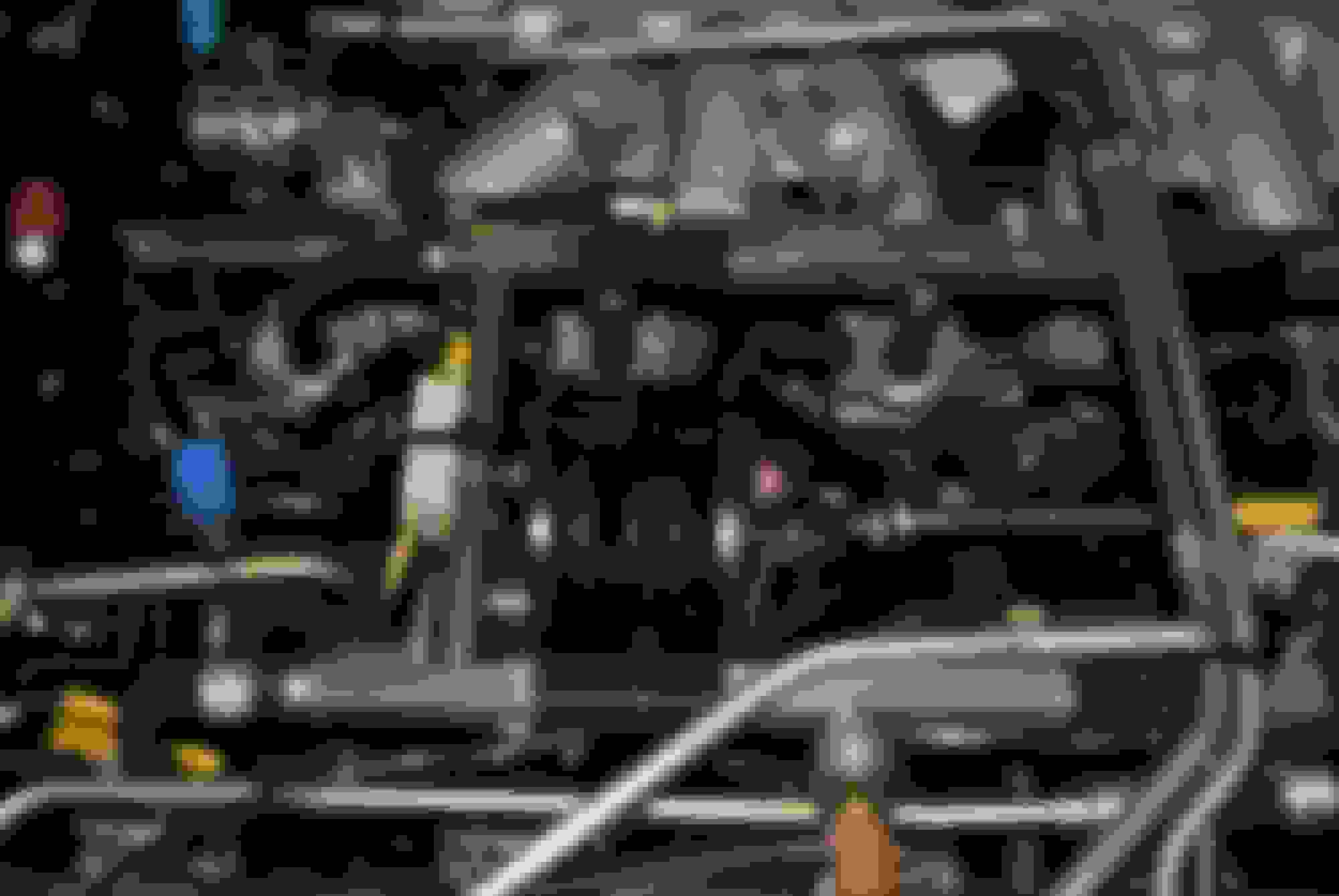
No, regular clamps are not suitable because they tend to cut into the barbs on the fuel injectors and cause the very leaks you are trying to prevent. No clamps are necessary on the V12 hoses because of the positioning of the fuel rail and injectors but as you can see in the photo the correct and original hoses ended in those seating cups.
No, regular clamps are not suitable because they tend to cut into the barbs on the fuel injectors and cause the very leaks you are trying to prevent. No clamps are necessary on the V12 hoses because of the positioning of the fuel rail and injectors but as you can see in the photo the correct and original hoses ended in those seating cups.
Thanks, any idea where the seating cups can be sourced?
I stopped by John's Cars today and took the XJ12 with me to pick up some parts for my 94 XJS. The car behaved well going up but started acting like it was running out of gas on the way back about 5 miles from my house. I switched the tanks and it made it home, but I barely did 60 miles on a full tank. I wonder if the tank is rusty or maybe the plumbing is messed up so that the return is going to the other tank. Anyone experienced this?
I stopped by John's Cars today and took the XJ12 with me to pick up some parts for my 94 XJS. The car behaved well going up but started acting like it was running out of gas on the way back about 5 miles from my house. I switched the tanks and it made it home, but I barely did 60 miles on a full tank. I wonder if the tank is rusty or maybe the plumbing is messed up so that the return is going to the other tank. Anyone experienced this?
The return solinoid for the left tank is normaly open and right return sol is normally closed so when you switch to the right tank left should close and right should open as both return valves are energised at the same time. The problem is the left sol will not have fuel flowing through it an will over heat and fail (very common problem) so when on right tank fuel is being returned to both tanks (due to failed LH sol coil - valve still open), best solution is to replace both sol valves with a 2 way valve, normally open to left side and energised to right side, this will require some pipe re-arranging.
I'm suggesting to take the return system to that which Jaguar designed for the sereis 2, using the series 2 valve, the series 2 system worked very well and was reliable unlike the system in the later series 3
I respectfully disagree with Jose. There are lots of things the Jaguar engineers did that are perplexing at best. I converted my ’79 to a virtual single tank using the tee fitting Carl mentioned. Much better than the original in my opinion. Note that series III cars have a single external fuel pump whereas I understand the series IIs have a pump in each tank.
Often perplexing, yes. Often needlessly complicated .....which adds additional failure opportunities. More equipment, more chances of failure. A single tank behind the rear seat would've done nicely
But, as tank change over systems go, Jaguar's design isn't any worse or less reliable than others, IMO. Nothing lasts forever. Ford and Chevy sell replacement change over valves and solenoids all day long for their pick-up trucks and have been doing so for....decades.
I respectfully disagree with Jose. There are lots of things the Jaguar engineers did that are perplexing at best. I converted my ’79 to a virtual single tank using the tee fitting Carl mentioned. Much better than the original in my opinion. Note that series III cars have a single external fuel pump whereas I understand the series IIs have a pump in each tank.
I have a 75 XJ12C that was converted to run on 100% propane. I had to convert it back to Lukas D-Jet and buy new tanks. I'm 100% certain it used a single d-jet pump.