When you click on links to various merchants on this site and make a purchase, this can result in this site earning a commission. Affiliate programs and affiliations include, but are not limited to, the eBay Partner Network.
I would definitely look at getting my money out of the old one and replacing it, either with another XK or anything else you fancy. Why would you want to stitch that one back together if it is going to be, one expensive, two a lot of work, and three it will still be a repaired, resprayed car without the level of assembly quality of a car that has not been damaged.
It all depends on the offer I get - if in the end (after getting rid of the wreckage) I get >80% of the value, I'm taking the money, getting another XK and forgetting 2500 eur in mods/unrelated repairs I had put in before.
But if I'm left with <70% then I think it's worth getting those repair costs down to fight against total loss and putting the screws to insurance company so they fix it.
This way I will get back more money (in repairs - up to 70% of the value of the car) than from a total loss low ball offer.
I think there may be a difference between US/UK and PL insurance payouts and labor costs (both higher in US/UK).
Of course also the expertise on what's actually broken and requires repair and counter expertise will decide the matter, no point reviving the dead if the frame is bent.
I'm not hell bent on repairing it at all costs, just getting the most value out of this situation.
It all depends on the offer I get - if in the end (after getting rid of the wreckage) I get >80% of the value, I'm taking the money, getting another XK and forgetting 2500 eur in mods/unrelated repairs I had put in before. ......
If you do go for the scrapping option, the engine is worth serious money. More owners have engine rather than accident issues .......
If I bought the car like yours from the insurance I would use Rockauto to supply the control links because they are toast.
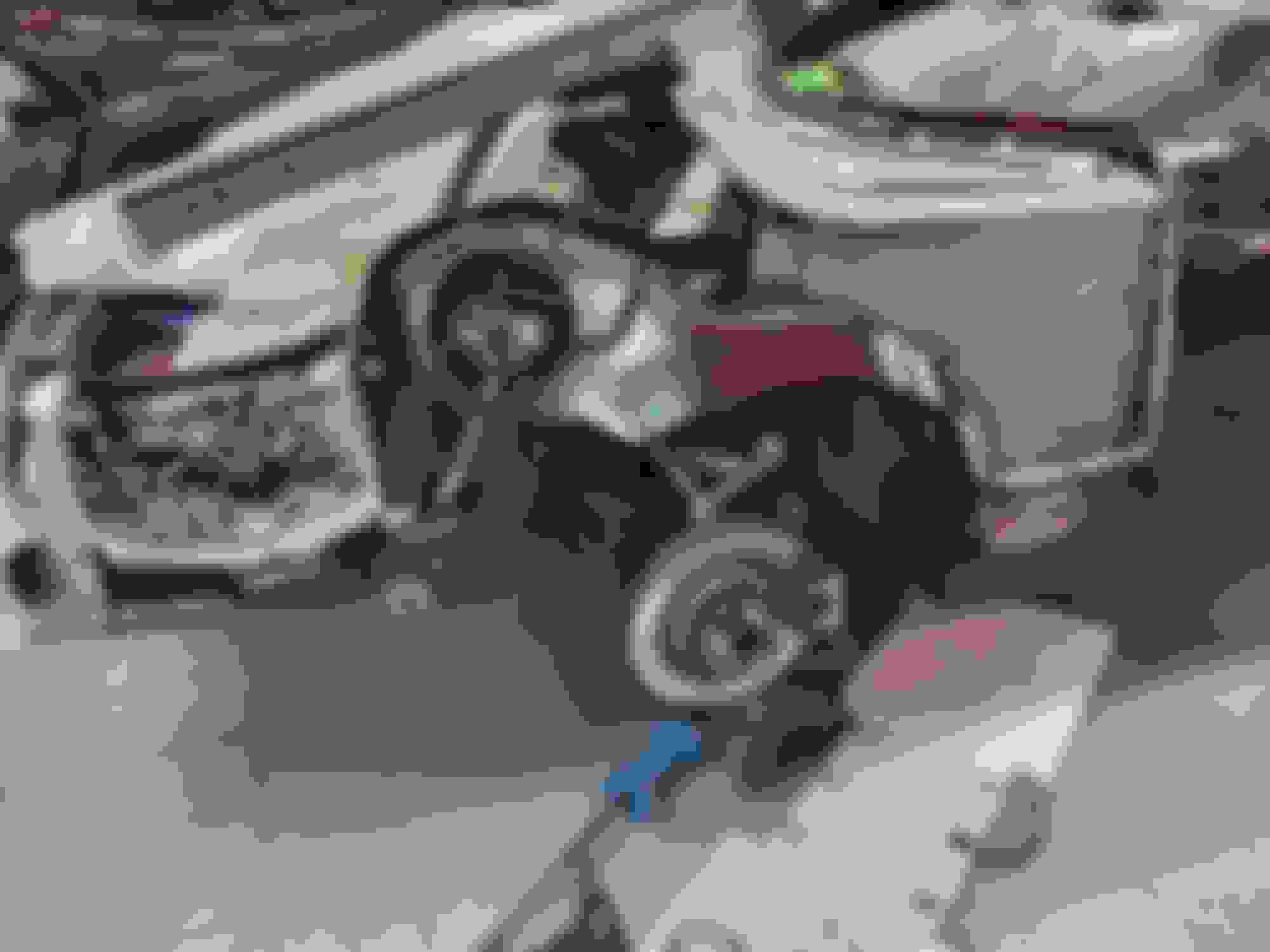
Then try to drive and test the car with existing driveshaft, spindle, rim, and cut out the fender. Brake pads caliper, disc, and shock are probably still good. The front dents can be undented puttied. The rear quarter panel replaced. Spray the car. Yah hoo! "Roadkill" is here.
The rear quarter panel is welded at the roof line. It needs to be removed, and welded back in. Since it is aluminium, you need to find a body shop that will do the work. I was hit by somebody running a stop sign a few years back. The blame was 100% put on her, and her insurance paid in full. I took the car to a Jaguar Authorized repair shop. They billed the insurance over $12k for the work (rear quarter, minor bumper repair, wheel repair, control arms and paint). With the book values of the cars today, insurance would probably just call it a total loss.
The rear quarter panel is welded at the roof line. It needs to be removed, and welded back in. Since it is aluminium, you need to find a body shop that will do the work. I was hit by somebody running a stop sign a few years back. The blame was 100% put on her, and her insurance paid in full. I took the car to a Jaguar Authorized repair shop. They billed the insurance over $12k for the work (rear quarter, minor bumper repair, wheel repair, control arms and paint). With the book values of the cars today, insurance would probably just call it a total loss.
The OP asked in his Post #1: "My question - is it worth fighting against salvage title and repairing the car or am I being delusional, this would indeed cost a fortune to repair and I'm better off letting it go?"
A neighbour reversed into the side of my F-Pace four weeks ago and it needs a driver's door. The dealer can't give me a date for delivery and that's for a current model.
Most of the decision comes down to whether or not you are a DIY guy and if you can find used parts. The Jag repair book will have you replace the quarter all the way back to the seams as an independent shop could easily do an epoxy panel bond cut and splice on it and would be fine. With that much damage on so many parts you should just repaint the entire car which will most likely cost around $8-10K just by itself. Too bad you are not on this side of the pond as I would be happy to sell you everything you need for under $5K! But in your situation it looks like a more likely action would be to let the insurance have it. Just my 2 cents worth.
In the end, the amount I got from insurance company meant I'd need to take a huge loss when buying new XK so based on recommendation from the dealership, I decided to repair.
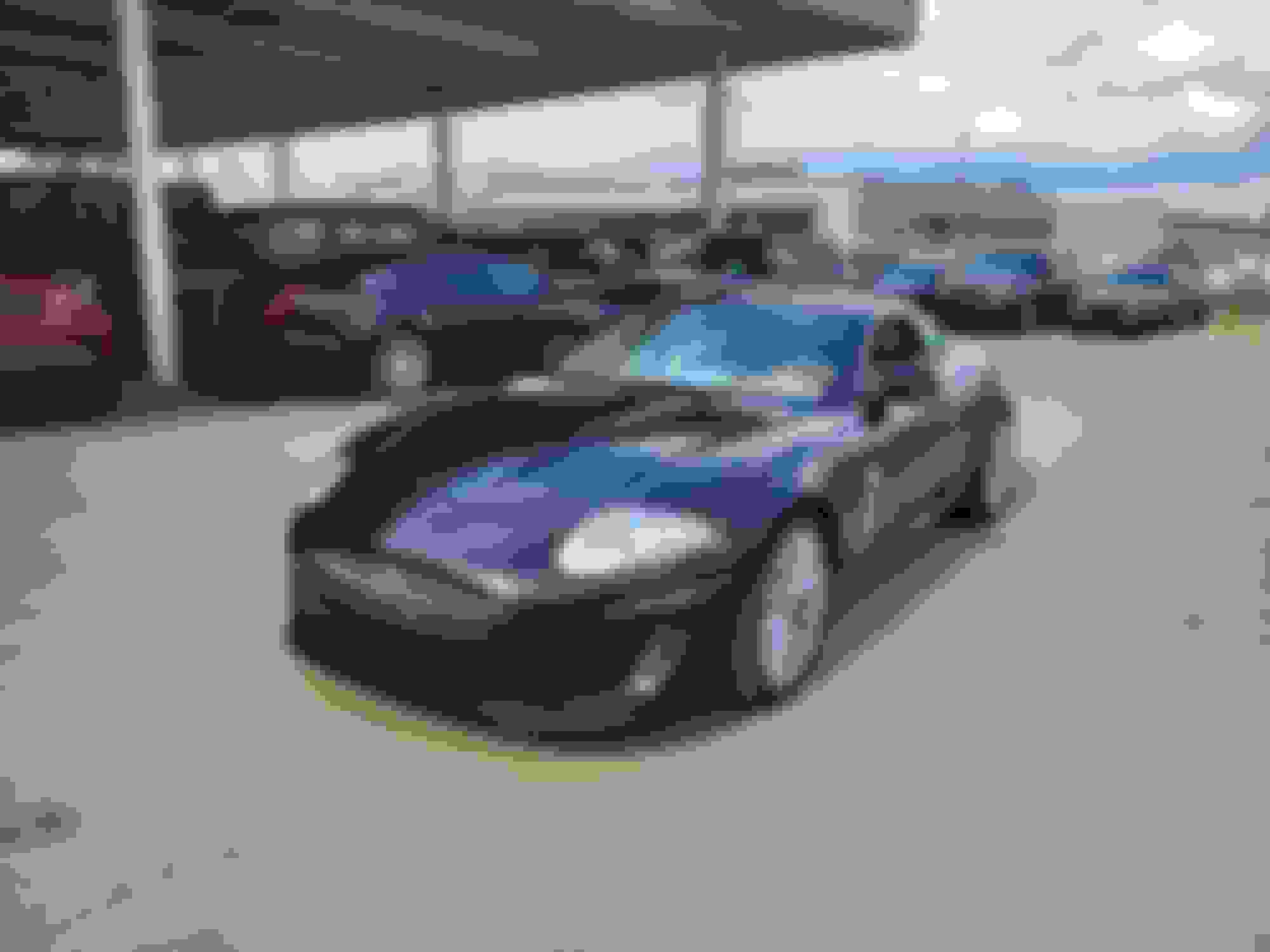
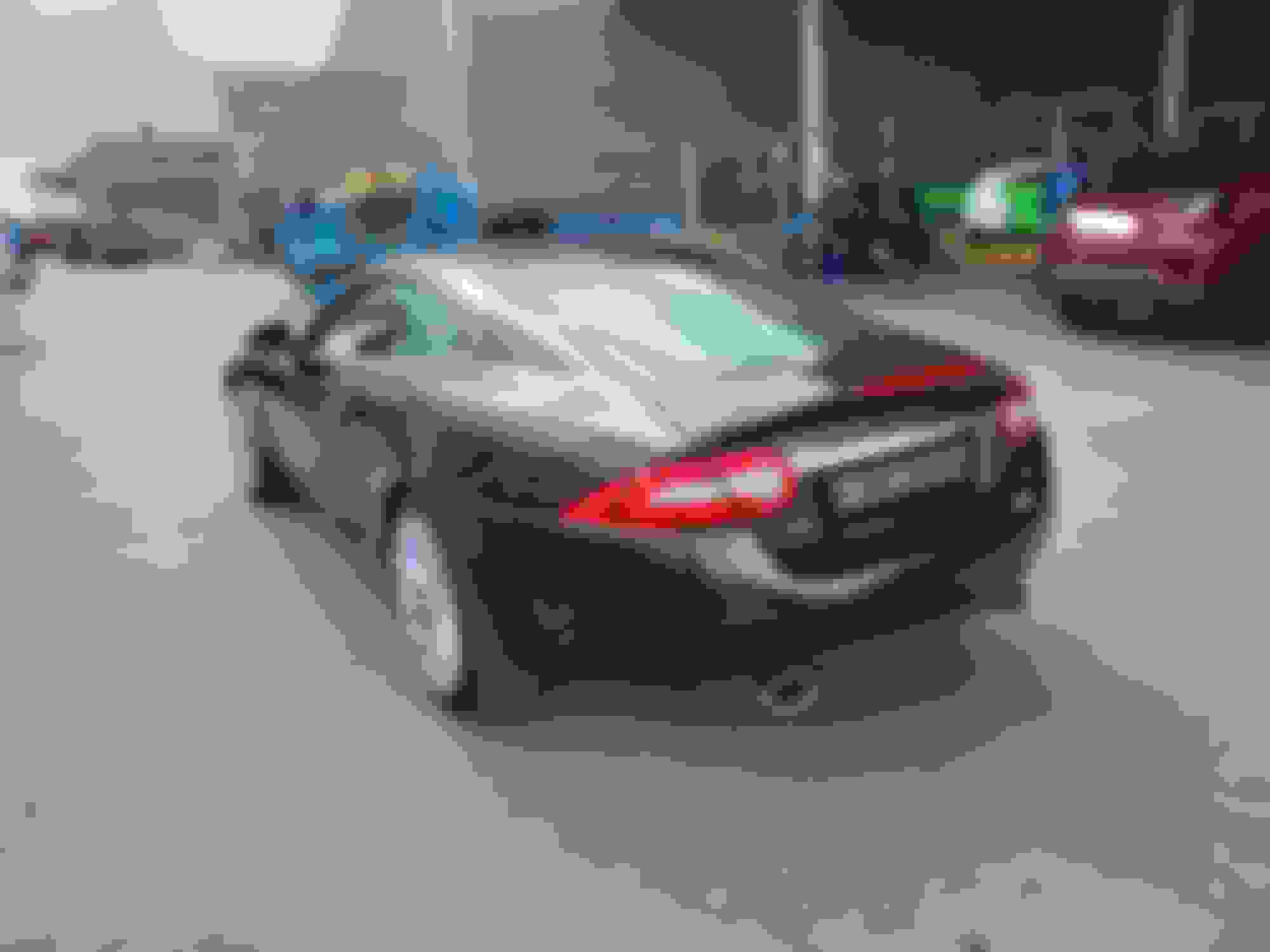
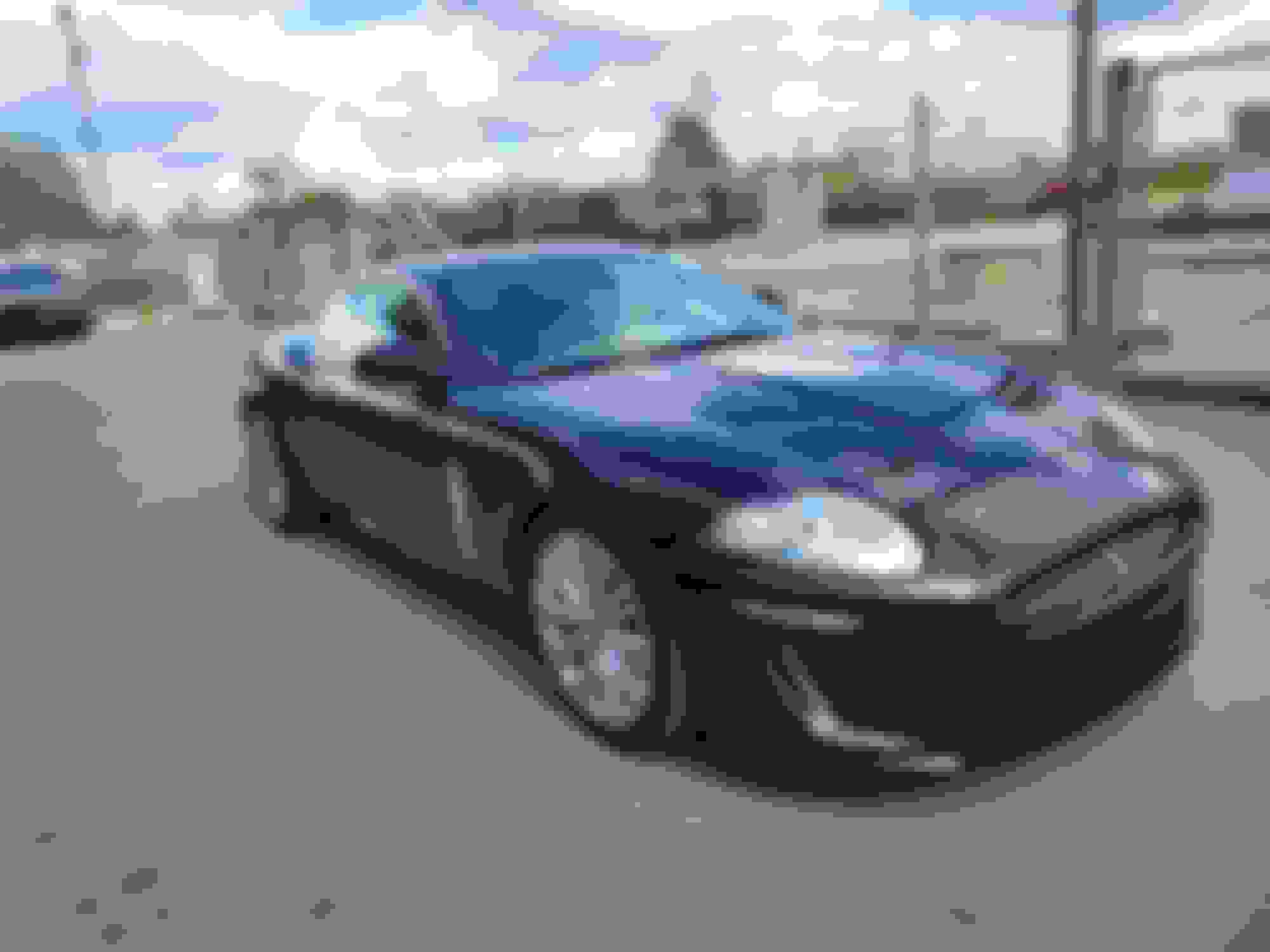
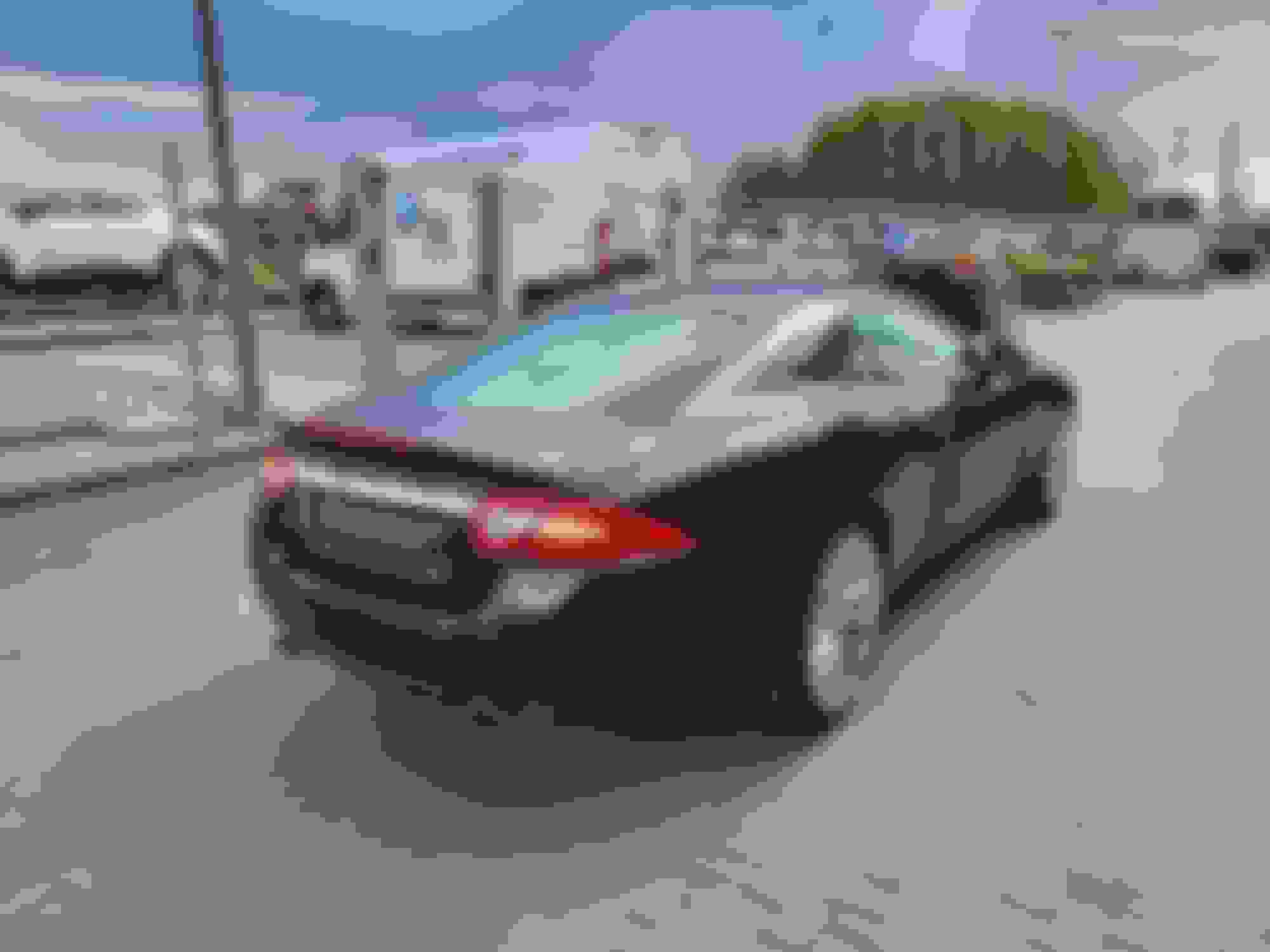
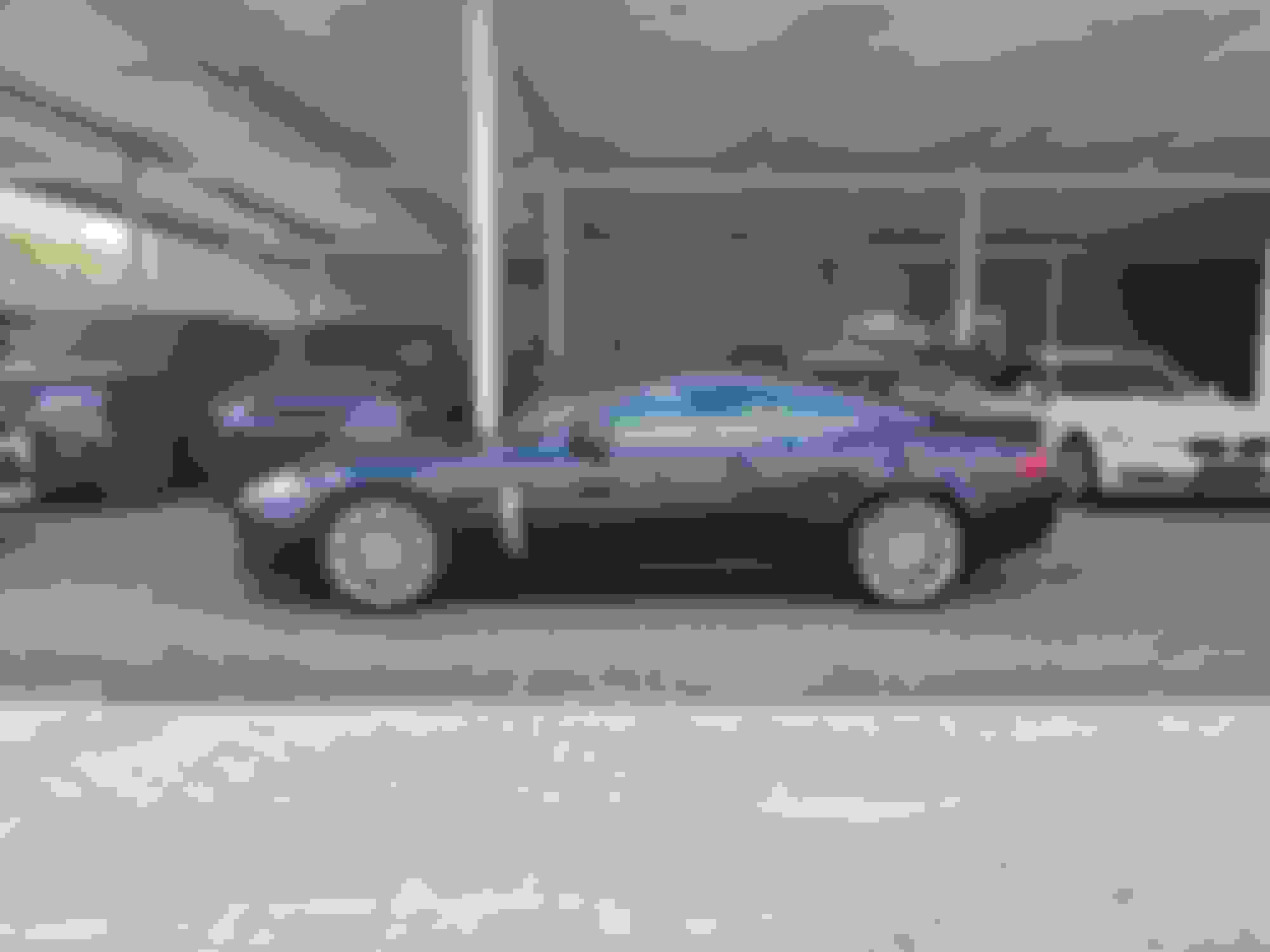
Yesterday, after exactly 6 months from the crash, I got the Jag back!
Lots of work done and parts replaced, everything done properly.
In total, including speed pack wing and splitter, respray, ceramic coating and new PPF on windshield / headlamps it cost me in the ballpark of 12k eur (comparable mileage/condition XKs run 30-35k eur in Poland).
Getting the parts was a lot of work but I think the knowledge I gained in the process is a value in itself and I wouldn't do a lot of driving during winter either way.
Topped it off with a new set of Continental SportContact 7 tyres and she's ready for the season
Well, look at that! It looks good. I hope you get good service from it. Keep a close eye on the alignment over the next 2500 kms.
If you had adjusted the geometry of your suspension with spacers, oversized tires, etc; now may be the time to think about that again. Like you, I drive in all the weather. Including freezing rain. If you mess with the scrub angle, the car will behave differently and this behavior is emphasized in poor road conditions. I’d hate for you to go through this again.
Moreover, I keep three sets of tires on rims as with you, we get all the weather and temperatures.
I definitely mean to recheck the geometry after a period of light driving, just for the car to break in after such extensive repairs and 6 months period of not being driven.
I do have spacers (20mm front, 15mm rear) and -20mm lowering springs.
What surprised me is that people with such setup usually end up with rear camber being around 2deg which is way outside spec but my shop managed to set every metric in spec.
After some miles will definitely have them look at it again.
Seasonal tyres are a must, got Michelin Pilot Alpin 5 for winter
I think you missed my point, with spacers and lowering springs, your scrub angle can really be off. And that can have a disastrous effect in the car handling, especially in poor road conditions.
Wasn't able to find the oem scrub radius spec for the jag as this is one of params that's being entered into the calculations. The section about our Jags also doesn't list it, I also think that provided ET value is wrong for 19" rims (rear is 51 while in wheel-size.com it's 46, same as 20", probably copypasta on their part).
However I did some homework about scrub radius, KPI/SAI and geometry. Key lesson was that scrub radius should never be 0 to avoid the risk of squirming ("shopping cart wheels" effect).
FWD / McPherson columns suspension typically use negative scrub radius because the front wheels are also affected by acceleration force and not just braking, hence increased centering tendency is favorable when coming out of the bends.
RWD / double wishbone suspension typically use positive scrub radius.
I presume that we're dealing with positive scrub radius from OEM based on the following:
- XK is RWD with double wishbone suspension
- (non xkrs) 20" rims have lower value ET than 19" while having the same width, means they stick out a little bit more; engineers most likely didn't worry about ET making scrub radius closer to 0
Adding spacers can only increase the already positive scrub radius, so a couple of conclusions vs my situation:
- in XK, I don't run into the pitfall of accidentally making my scrub radius 0 (so no squirming)
- conversely, by increasing, I amplify the effects of positive scrub radius has on handling:
- - more feedback from steering (with increased stability in the bends, actually the reason I wanted spacers, looks being the 2nd)
- - while braking, pulling to the side of the wheel with most traction OR to the side currently supported by ABS, I'm actually noticing it;
- - in case of driving into standing water with one side of the car, increased tendency to swerve in the direction of the standing water (due to toe out when decelerating, same as above)
- - bump steering, torque steering -> didn't experience negative effects so far (I did 5-6k kms with spacers before the crash)
- in double wishbone suspension, lowering increases negative camber through king pin inclination, thus increasing scrub radius even more than spacer. Since the camber was set back to spec, I consider this issue mitigated.
Based on the above and the fact I started spinning to the left while not turning the steering wheel in that direction, I would chalk the most likely main reason for my crash to driving into standing water in the pothole with left front wheel with effect amplified by spacers (however who knows by how much and if it wouldn't have happened without them as it was raining dogs and cats). I'm yanked to the left, rear wheels start sliding sideways while still being gently accellerated and the spin ensues.
Of course, 7 year old Michelin Pilot Sport 4 (not S) with 4.5mm thread definitely did not help in 11 Celsius.
So in practical terms, with current setup, whenever driving close to traction limit (brought about by speed and/or conditions) straight ahead, I should pay closer than usual attention to bumps, potholes and standing water (duh) .
Avoid them like the plague and if that's not possible, expect to counter with the steering wheel, harder than with the setup without spacers/lowering, let go of the gas, don't brake.
Did I make any mistake in the above logic / assumptions?
Last edited by Brachacz; May 20, 2024 at 07:40 AM.
I have not driven your model in a spirited manner, in foul weather.
I find my car perfectly balanced with the factory setting. I would not want it any more positive.
typically, I slow before the corner, accelerate into and out of the corner. I very rarely brake whilst in the corner. (Unless the idiot in front of me... and there's no room to dart around.)
Congrats on getting the car back to looking good. It worked because your costs were so much less and you had the time to manage the project. US repair costs would have been a LOT more than 13k (US). 2X? 3X? Someone backed into my XK8. Damage was a badly dented RH front fender. Quote was absurd. It was 9,000 to fix. Fortunately the insurance procedure in this country is different. I took the check then sold the car for 4,500 dollars. Included a used front fender (same color) that I bought for 300.