When you click on links to various merchants on this site and make a purchase, this can result in this site earning a commission. Affiliate programs and affiliations include, but are not limited to, the eBay Partner Network.
That is interesting, the dealer thought they had switched to aluminium but then came back and told me parts said no only the plastic are available. I will send him this Monday? Thanks for your help.
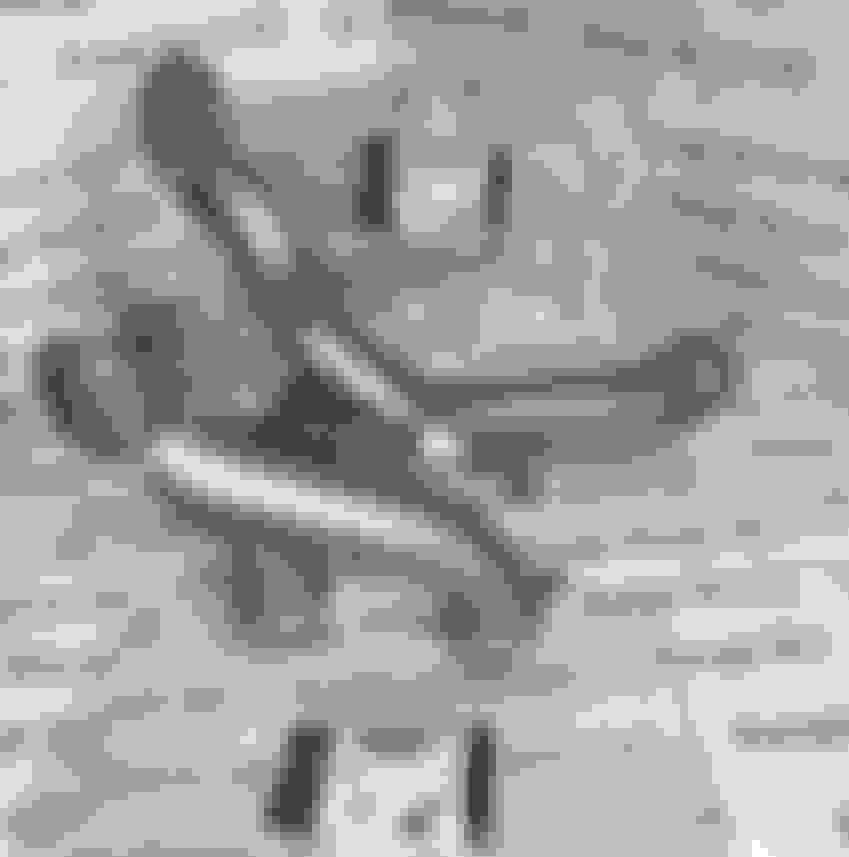
Okay dealer got back to me and after digging says they can find no info on aluminium pipes from Jaguar. I sent them this image and they said the part number with the -A doesn't exist that they can find. He suggested maybe that part is only available in a different market. The part number without the A is the part in plastic.
The letter A obviously stands for the word aluminum. The question is did the seller just create a fake part number and add the letter A representing aluminum or is it legitimate part number.
Hard to say but if he did he also cast in the JLR emblem and the leaping cat plus some numbers. That's a LOT more work than creating false labels.
With after market Aluminum pipes already released for a year or more why would anyone go back and add those markings to the castings if they are NOT made by JLR?
Seems like there would be no reason to do that?
.
.
.
The coolant leak from lower water outlet pipe (y-pipe) is unfortunately quite common. This lower y shaped hard plastic pipe is prone to failure resulting in coolant pooling on the block in the valley between the two banks of cylinders.
This pipe is connected to the upper water outlet pipe (which you can see on top of the engine) via an intermediate section of aluminium pipe with two o-rings.
My y connector failed at the base where it inserts into the block, but the pipe can crack anywhere. It should be noted that the rubber hoses tend not to fail early, just the hard moulded plastic pipes.
In response to the frequent failing, both the lower and the upper outlet pipes have been redesigned- the lower pipe has since been replaced with a slightly stouter version (part # AJ8 13865) and the upper pipe replaced with part # AJ8 13917 and the intermediate pipe has been scrapped completely (the two new pipes simply join together). This is important because if your lower pipe has cracked you will have to replace both the lower and upper pipes with the new parts (the old upper pipe won’t join to the new lower pipe).
Another site coolant leak is the thin hard plastic overflow piping going from the back of the upper water outlet pipe back to the coolant reservoir. In my 5 year old car these were so brittle they broke upon handling. They may have been leaking already. Replacement part is # T2R5910
Unfortunately replacing a relatively cheap coolant pipe is made very difficult by its location- under the supercharger. To access the lower pipe the supercharger needs to be removed - see my other guide for this procedure.
Before you replace the lower pipe be sure to put your finger into the block coolant holes and feel around for any small pieces of broken pipe that might be sitting there. You don’t want those going through your coolant ways.
Some useful torque settings- the lower pipe screws into the block are 13Nm and the upper pipe screws are 10Nm.
Note also- for some reason one of the tabs on the new upper pipe is much thinner so the old screw wont work- you need a shorter (25mm) M8 bolt.
After putting everything back together fill the system to the max fill line in the reservoir using a RED/ORANGE coolant which meets the standard M97B44-D ( i used generic it's cheaper than oem)
Then run the engine with the heater on full blast until warm air comes out of the vents. This will bleed the system. Turn off the engine and let cool a little. The level of coolant will have gone down as bubbles came out of the system so top up again. Repeat this process again until the level stops dropping.
Hello, good day. Thank you for informative post. I was hearing aobut these leaks and been worried online. I have a 17 fpace s and ordered all the metal parts from a kit online. I noticed though, that my coolant crossover thats epxosed is the exact same one you have installed though, THe part number with QR code and everyhing. I was worrying aobut the extensive job taking out supercharger, etc, but now im thinking maybe i already have the upgraded plastic ones replaced by previous owner. I just picked this car up earlier this year. So if the crossover seems to be the new replaced one i mean surely they mustve done the Y pipe too right? or is there a way to check without removing s/C? If so, maybe i could return this kit. It came with ametal rear pipe, im not sure if jag made a plastic replacement so i dont know if mine is currently fiitted with that either. Should i get it upgraded anyway? or save the money now? any insight could really help Thanks. cheers have ablessed one.
In order to tell if you still have the older and not-so-good pipes, look back at the photos in the preceeding posts. The older versions of these pipes have flanges along their sides. This was the construction methodology.. the flanges were then hot glued. Not sure why one would design plastic coolant pipes for an engine compartment, but there they are. The REPLACEMENTS are solid pipes... look at the side by side photos above. on the blue shop towels and you should be able to see the difference. I doubt that if you can see a flanged coolant pipe on the top area of your engine, that any of them have been replaced. The aluminum versions are now available from 3rd party vendors, though there has been something about a Land Rover (LR) numbered part that is aluminum. I had the old flanged pipes replaced under warranty (MY2017) and dealer also did the upper line as well as the water pump. I check my coolant level often. Other members have suggested using an OBD reader that allows you to monitor engine temp. Important as some report that the overheating light does not come on in sufficient time for you to take corrective action. (Stop safely and turn off the car).
Yes the smooth seam plastic parts are better than the original fat seamed versions. But the metal versions are better than the smooth seamed ones.
Since your aware of the problem and if you keep a close eye on the coolant level I think you will be fine. Most people don't check coolant levels and then keep driving the car when it gets hot. That leads to engine destruction.
What's really wild and we have not got it figured out yet and that is apparently JLR has now released these pipe in Aluminum too? With JLR cast into the pipes.
.
.
.
Disclaimer: I am not a native speaker, so I apologize for my poor English.
My 2017 F-Type V6 has now also been affected by the well-known problems with the cooling system. In my case, it seems to be the rear plastic manifold (crossover pipe) and the lower Y-pipe for the coolant. So I ordered a set of aluminum parts (upper + lower pipe, oil cooler pipe, crossover pipe, and water pump brass elbow) as well as an aluminum thermostat housing from China. Since I was already at it, I also ordered an OEM water pump, intake manifold gasket, a belt tensioner for the supercharger, supercharger oil, new valve cover screws (since the middle four always seem to be rusted), and a new belt for the SC.
I have already read that the O-rings on the water pump oil cooler pipe (C2Z18658) should both be replaced, so I ordered two reputable aftermarket gaskets (it's the same O-ring at the inlet and outlet, right?).
But now I've put the upper and lower pipes together on the table and the connection is relatively wobbly. The first 3-4 millimeters when inserting it feels like a tight fit, as I would expect, but when the pipes are pushed together as far as they will go, the pipe can be moved surprisingly easily.
Has anyone here had experience with this? Is this as it should, or should I not have the pipes installed and try to get some different ones?
The original JLR aluminum pipes seem to be somewhat difficult to obtain in Germany, and shipping the Euro Amp set to the Eurozone incurs high shipping costs (how ironic)...I am grateful for any advice.








 Question about Coolant Crossover & Y pipe