When you click on links to various merchants on this site and make a purchase, this can result in this site earning a commission. Affiliate programs and affiliations include, but are not limited to, the eBay Partner Network.
Hi all.
I've been trying to get to the bottom of this issue. It’s a 1968 Mk2 240 Lucas 875 brake master cylinder overhaul. Until I’m 100% positive with the answer I can’t move forward! (well I could but…..!)
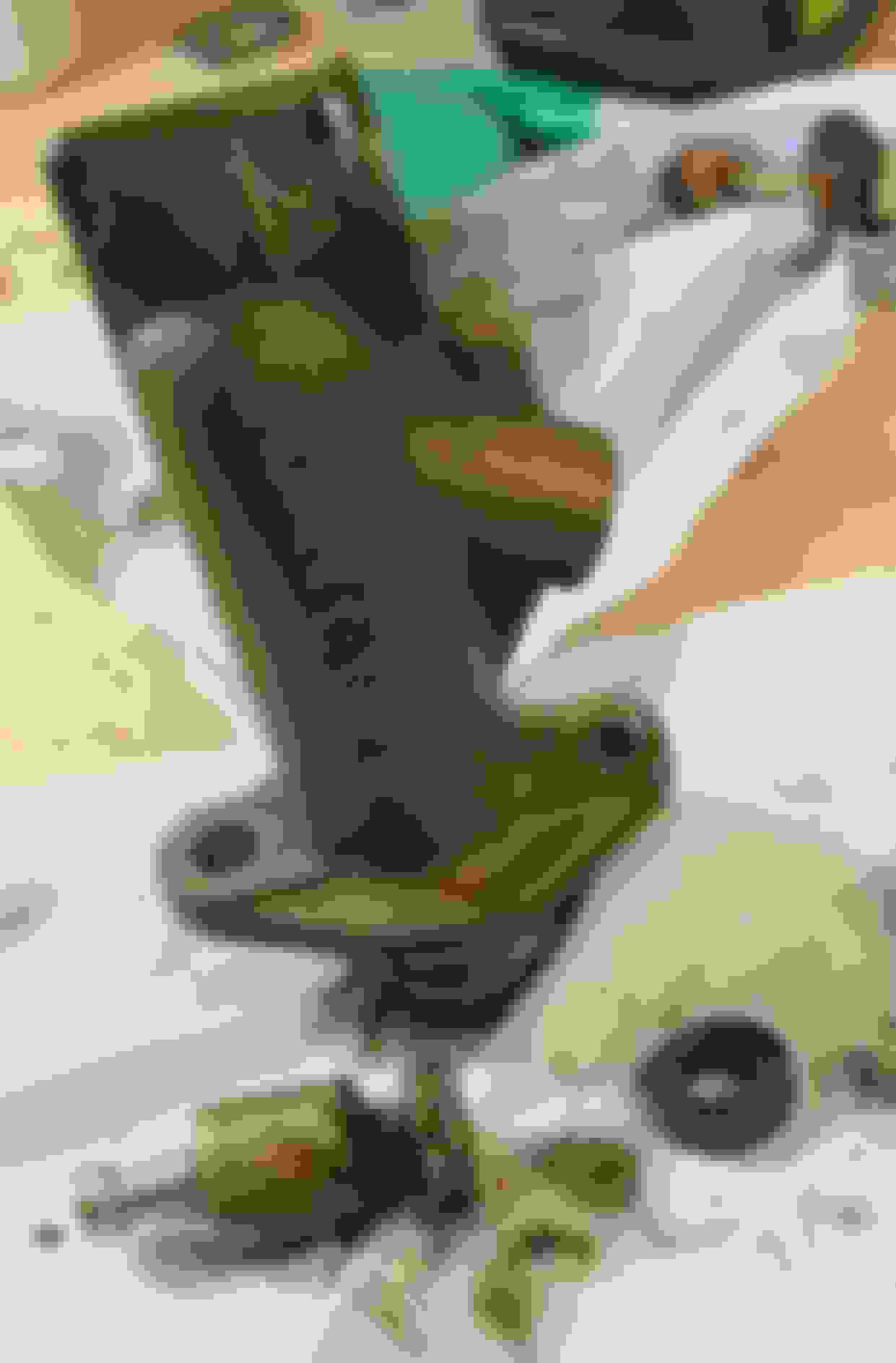
At the moment, the piston in the cylinder had the rubber seal in a groove at the bottom and not on the pointed end as Haynes illustrate. The piston is also clearly a different shape. Any thoughts on where it should go? I’ve spoken to David Manners who were really helpful but the FB forum comments have made me cautious. Thanks. Ron Haynes manual showing rubber seal at the pointed end Piston from the master cylinder showing the groove at the bottom where the rubber seal was located
What we found is that a lot of the modern rubbers are slightly thin causing the fluid to push back into the reservoir. All we did was machine a very slight amount off of the piston and the seal seals & pressurises the braking system.
Hi Glyn
Thanks for this. It’s not the piston or rubber seal diameter that’s causing me concern. It’s the rubber seal location. Haynes say on the pointed end as do David Manners who I purchased it from. The old rubber was in the groove you can see at the bottom of the piston in the photo. If the seal sits too high, could this cause problems or leak past the small reservoir feed hole allowing fluid to leak out at the push rod end.
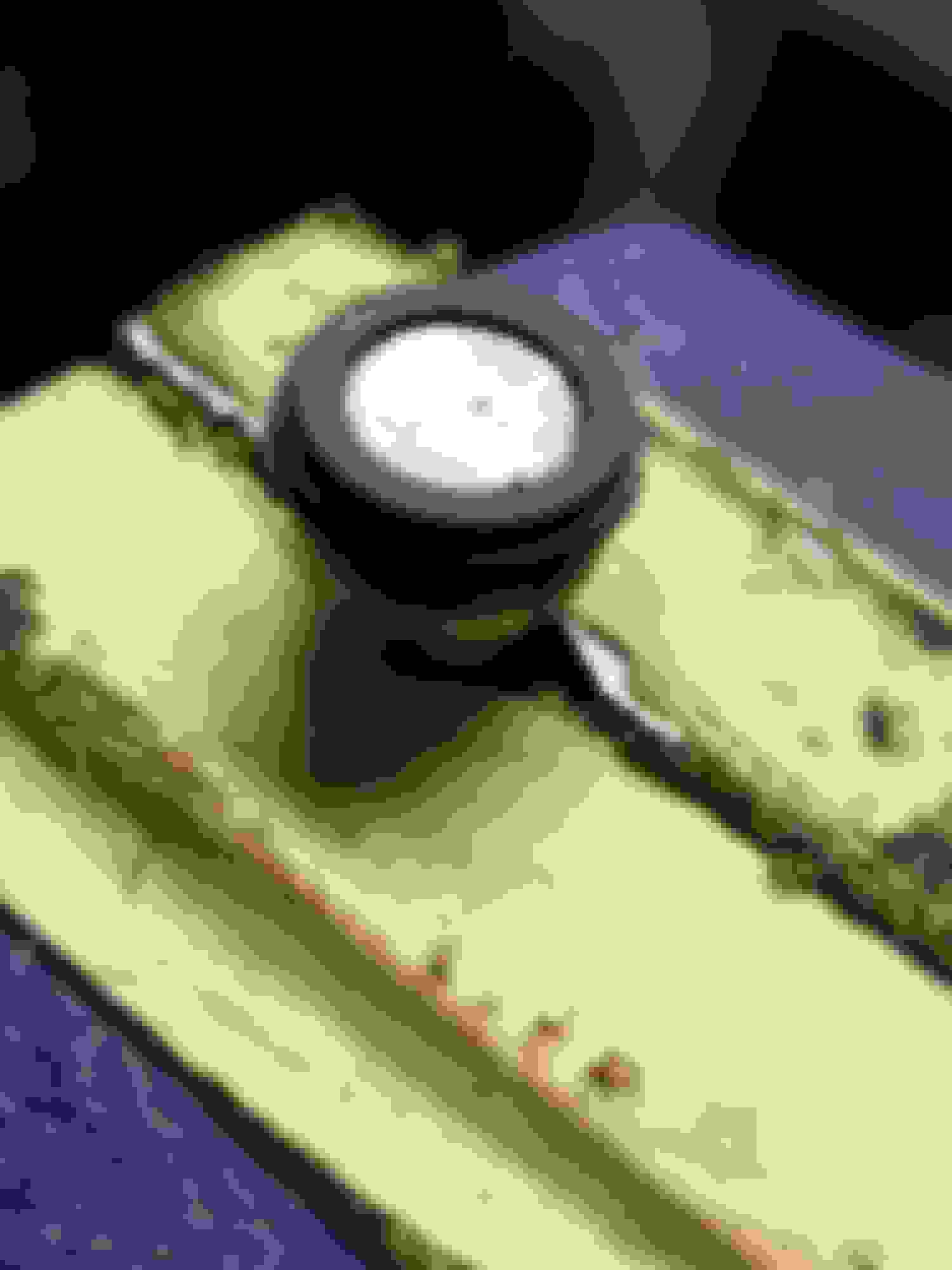
This is what we machined off to give the seal adequate protrusion to seal properly. Prior to doing this one minute we had brakes & the next minute the pedal would go to the floor. All was spotless with another new seal at final assembly.
Last edited by Glyn M Ruck; Jul 10, 2024 at 10:05 AM.
Hi all.
I've been trying to get to the bottom of this issue. It’s a 1968 Mk2 240 Lucas 875 brake master cylinder overhaul. Until I’m 100% positive with the answer I can’t move forward! (well I could but…..!)
At the moment, the piston in the cylinder had the rubber seal in a groove at the bottom and not on the pointed end as Haynes illustrate. The piston is also clearly a different shape. Any thoughts on where it should go? I’ve spoken to David Manners who were really helpful but the FB forum comments have made me cautious. Thanks. Ron Haynes manual showing rubber seal at the pointed end Piston from the master cylinder showing the groove at the bottom where the rubber seal was located
Hi Ron,
During High School & part of college, some 50+ years ago, I rebuilt master cylinder and brake boosters. In the exploded view the seal (5) would go over the raised ridge of the piston (4) and the spring seat (6) would rest of the front of the raised ridge of the piston (4).
My guess would be that the seal would sit in the rear recess of the piston and the spring seat would sit on the front of the piston (picture above). I would think the seal would be a "cup type " seal with the lips facing forward.
I'm not at home and don't have access to my manuals, but I think the master cylinder in the Haynes book is the older Dunlop/Girling type. Yours is a later Lucas cylinder, which, as they say, is similar but different. The Lucas type might have been fitted to the last cars such as the 240 and is commonly sold as a replacement for both.



 Lucas 875 Brake Master Cylinder