When you click on links to various merchants on this site and make a purchase, this can result in this site earning a commission. Affiliate programs and affiliations include, but are not limited to, the eBay Partner Network.
Dell: The "what the frak it's called" under the firewall O2 sensor plugs - that's called the Evaporative Purge Valve, aka Vapor Canister Solenoid. Google part number C2S8605
On firewall just under O2 sensor plug
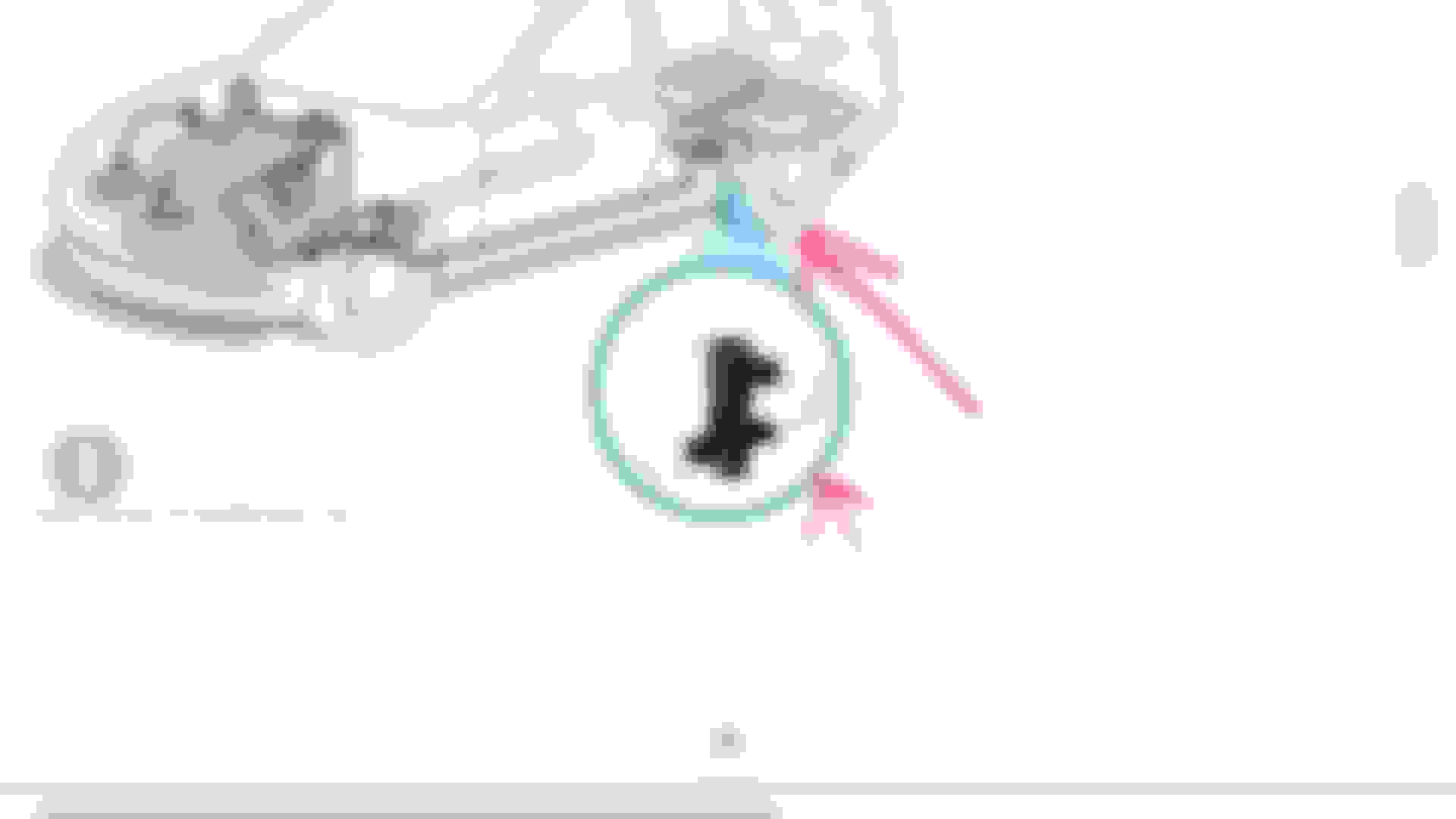
Confusing a bit as this image shows it in the rear by the tank =
well post #17 said it the part he fixed was behind the gas tank and thats what fixed the problem (and what stopped me from going out in the freezing to look!)
Dell / iownme: The evap system has 2 solenoid valves working together to reduce air pollution from fuel tank emissions:
1) Vent valve solenoid, above the fuel tank, is #9 in attached drawing, part number C2S8605. When this vent valve is open, fumes from the fuel tank escape thru the charcoal canister (which traps hydrocarbon vapors) to the atmosphere. If this valve fails in the closed position, the gas pump handle shuts off repeatedly as you fill the tank because air must exit the tank thru the fill hose, like pouring milk from a gallon jug so quickly it repeatedly 'burps' to let air in as milk pours out.
2) Purge valve solenoid, on the firewall, is #2 in the drawing, part number C2S11045. When the engine is running and warm, this valve opens to suck air and fumes thru the charcoal canister into the engine, where the fumes are burned. This 'regenerates' the charcoal so it's ready again to absorb more fuel tank fumes.
Here's a video that explains how these two solenoid valves work together to reduce air pollution from fuel tanks. It's not an X-Type, but the concept is similar on today's cars.
Guys, is there any chance this system is exactly the same on the X308?
I've had an identical issue in my 2002 XJR-100 since I bought it. I did replace the Vent Valve Solenoid (along the frame rail under the fuel tank) with a used one - and the 2 charcoal canisters, and blew out the lines with compressed air - but this did not fixed the problem. Is replacing the Purge Valve under the hood my next step, or should I stop mucking around and replace the VVS with a brand new unit?