


Have all cars a twin out there?


Thread Starter
|
Veteran Member
Joined: Apr 2014
Posts: 2,228
Likes: 600
From: Ireland
 Have all cars a twin out there?
As we are all sick hearing that the xk is like the aston in looks, i was just looking through pictures on the F-Type members page, stunning looking cars. Then came up with a comparison, well from side view these two look similar, the F-Type and the mazda MX5, looks like if the front and rear of the mazda was stretched a bit they would be even more identical.
Last edited by powerhouse; Mar 27, 2016 at 04:20 AM.

Thread Starter
|
Veteran Member
Joined: Apr 2014
Posts: 2,228
Likes: 600
From: Ireland
Yea i viewed that too. The S2000 is one one the best cars ever made, will the f-type be held in the same esteem as it after years, the S2000 has been around for a while now.

Veteran Member
Joined: Sep 2013
Posts: 5,209
Likes: 1,847
From: NY
A buddy of mine has one of these and I think it is OK but something I wouldn't buy. It reminds me of a stretched Miata which I'm not thrilled over. We all have our various opinions and none of them are good or bad but just a matter of personal preference.


Joined: Jan 2012
Posts: 6,068
Likes: 2,983
From: Newport Beach, California
+1 on the Honda being okay, but as with the F-Type, something I could not get comfortable in no matter how I adjusted the driver's seating position. As the British would say, it was 'not my cup of tea.'
It is all very subjective and personal choice.
It is all very subjective and personal choice.
Trending Topics


Veteran Member


Joined: Jun 2015
Posts: 3,005
Likes: 1,675
From: Sydney, Australia
Originally Posted by Queen and Country
Ah the infamous Germans original creativity- and truth in engineering.

Veteran Member
Joined: Mar 2015
Posts: 7,420
Likes: 2,396
From: Hastings
Ferrari copied Jaguar. There is a great deal of history about it on the web. I will post the pictures someday. Its well known in the design circles that Ferrari would still be making boxes if not for Jaguar's Malcolm Sayer ( the man who designed our car in essence) Enzo did not believe aerodynamics had anything to do with cars, till a Sayer designed aerodynamic car handed him his hat at the races. He said 'aerodynamics Sayer pioneered car aerodynamics singlehandedly- without wind tunnels and any existing science. The fact that his elements can be used today is awe-inspiring.
Veteran Member
Joined: Mar 2015
Posts: 7,420
Likes: 2,396
From: Hastings
Here is an article that discusses how Jaguar made Ferrari.
What they dont show you is that one year before the Etype Ferrari was making boxes. After the Etype, the Ferrari looked just like it- speaking in terms of design elements. And this from a company that said they dont believe in aerodynamics.
How Jaguar spurred Ferrari?s crowning glory - wheels.aeWheels magazine UAE's only English weekly motoring magazine, giving you the best car news first
What they dont show you is that one year before the Etype Ferrari was making boxes. After the Etype, the Ferrari looked just like it- speaking in terms of design elements. And this from a company that said they dont believe in aerodynamics.
How Jaguar spurred Ferrari?s crowning glory - wheels.aeWheels magazine UAE's only English weekly motoring magazine, giving you the best car news first
Joined: Jan 2012
Posts: 6,068
Likes: 2,983
From: Newport Beach, California
Not sure I agree about Ferrari 'making boxes' before the arrival of the E-Type.
Consider the 1957 250 Testa Rossa as an example. A rather expensive example as well.
Let me google that for you
Consider the 1957 250 Testa Rossa as an example. A rather expensive example as well.
Let me google that for you
Veteran Member
Joined: Mar 2015
Posts: 7,420
Likes: 2,396
From: Hastings
Not sure I agree about Ferrari 'making boxes' before the arrival of the E-Type.
Consider the 1957 250 Testa Rossa as an example. A rather expensive example as well.
Let me google that for you
Consider the 1957 250 Testa Rossa as an example. A rather expensive example as well.
Let me google that for you
Jaguar is Reviving 'The World's First Supercar'
But that wanst a copy, they were forced to make that shape cause all race cars were shaped like that. Look at what Ferrari made one year before the e-type and one year after.
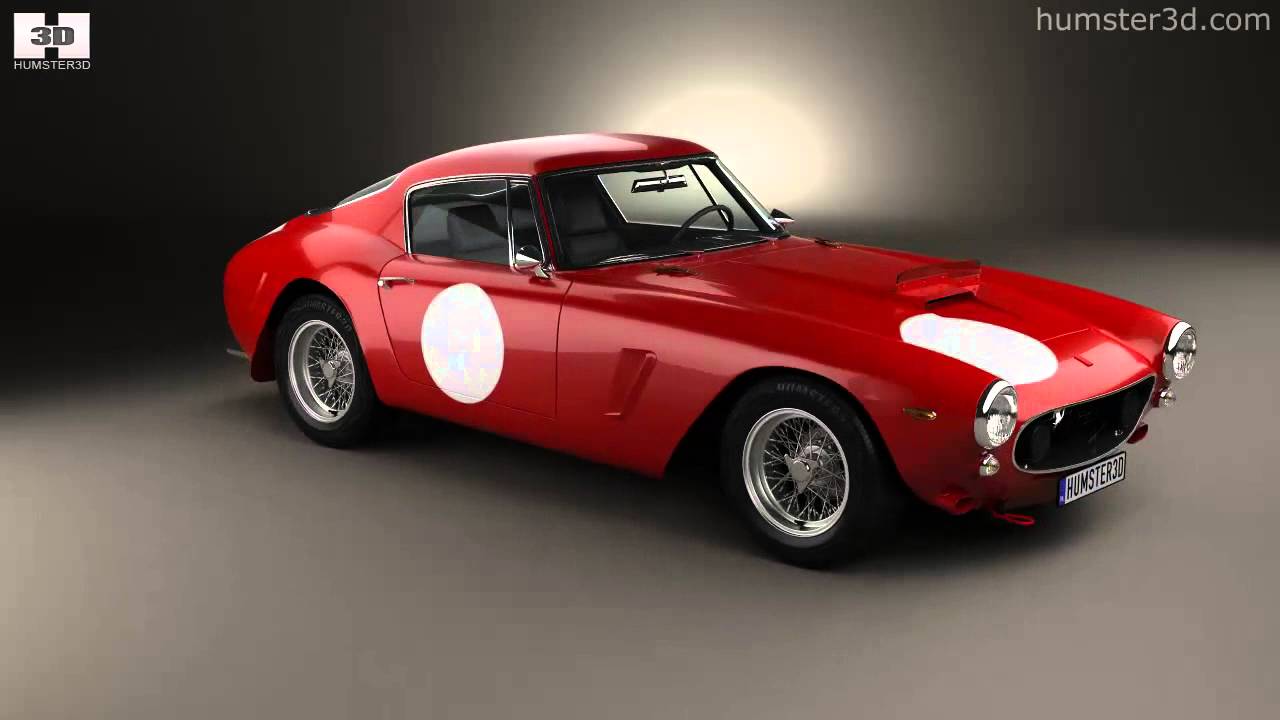
After seeing the Jaguar Etype
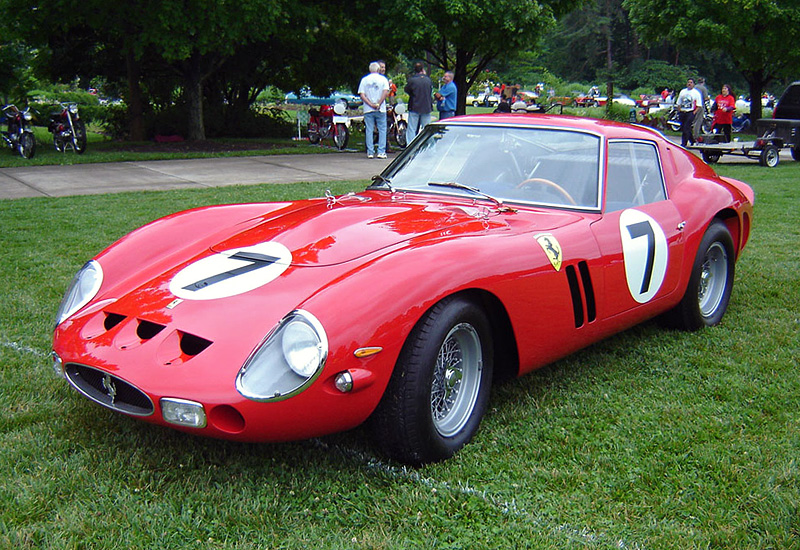
Joined: Jan 2012
Posts: 6,068
Likes: 2,983
From: Newport Beach, California
I believe the successful racing histories of the D-Type, 250 Testa Rossa and 250 GTO all speak for themselves. What you must remember is that after the E-Type and 250 GTO arrived on the scene, both companies went in very different directions with vehicle design as well as financial and racing successes.
Veteran Member
Joined: Mar 2015
Posts: 7,420
Likes: 2,396
From: Hastings
If the point you are attempting to make is strictly concerning design elements; trends develop and change in all areas of automotive development and design over time.
I believe the successful racing histories of the D-Type, 250 Testa Rossa and 250 GTO all speak for themselves. What you must remember is that after the E-Type and 250 GTO arrived on the scene, both companies went in very different directions with vehicle design as well as financial and racing successes.
I believe the successful racing histories of the D-Type, 250 Testa Rossa and 250 GTO all speak for themselves. What you must remember is that after the E-Type and 250 GTO arrived on the scene, both companies went in very different directions with vehicle design as well as financial and racing successes.
Look yet another car inspired by the Jaguar formula, this time a Buick.


Veteran Member
Joined: Jun 2015
Posts: 3,005
Likes: 1,675
From: Sydney, Australia
Originally Posted by Queen and Country
You are quite right on all counts. My point was to give Jaguar the credit that the average people just dont know about. For example, my buddy who is into engine design, when I asked him what does my XKR remind him of, he said an Aston. LOL. I was looking for etype.
Look yet another car inspired by the Jaguar formula, this time a Buick.
Look yet another car inspired by the Jaguar formula, this time a Buick.

Veteran Member
Joined: Oct 2015
Posts: 2,181
Likes: 656
From: Carolinas
Speaking as a student of design, there has not been a design more copied in elements. Even the new ford mustang has copied the elements of Jaguar XK. They went from flat sides and square rear window to flared haunches, and tapered window of the e-type.
Ferrari copied Jaguar. There is a great deal of history about it on the web. I will post the pictures someday. Its well known in the design circles that Ferrari would still be making boxes if not for Jaguar's Malcolm Sayer ( the man who designed our car in essence) Enzo did not believe aerodynamics had anything to do with cars, till a Sayer designed aerodynamic car handed him his hat at the races. He said 'aerodynamics Sayer pioneered car aerodynamics singlehandedly- without wind tunnels and any existing science. The fact that his elements can be used today is awe-inspiring.
Ferrari copied Jaguar. There is a great deal of history about it on the web. I will post the pictures someday. Its well known in the design circles that Ferrari would still be making boxes if not for Jaguar's Malcolm Sayer ( the man who designed our car in essence) Enzo did not believe aerodynamics had anything to do with cars, till a Sayer designed aerodynamic car handed him his hat at the races. He said 'aerodynamics Sayer pioneered car aerodynamics singlehandedly- without wind tunnels and any existing science. The fact that his elements can be used today is awe-inspiring.

The science of aerodynamics existed even before we first took powered flight, just we didn't have enough horse power to go fast enough for manufacturers to see cost/benefit of employing it until after WWI. Also, the roads of the day, and local laws, rarely allowed cars to go that fast anyway. With the German's emphasis on good roads, they set the speed record for the autobahn in the 1930's at over 430KPH. Even a Jaguar XJ220 isn't touching that. The German's had the only road set to really let aerodynamics be significant, which is why they were designing car aerodynamics far far before the British.
This extremely low drag aerodynamically designed German car from 1922.

Even the caps over the wheels are there to reduce drag.
Last edited by Tervuren; Mar 30, 2016 at 01:12 PM.