When you click on links to various merchants on this site and make a purchase, this can result in this site earning a commission. Affiliate programs and affiliations include, but are not limited to, the eBay Partner Network.
Standard manaul steering box replaced with quick ratio box -Done and works!
1960 MK2 originally a 2.4L now with a 3.8L 4speed OD LHD
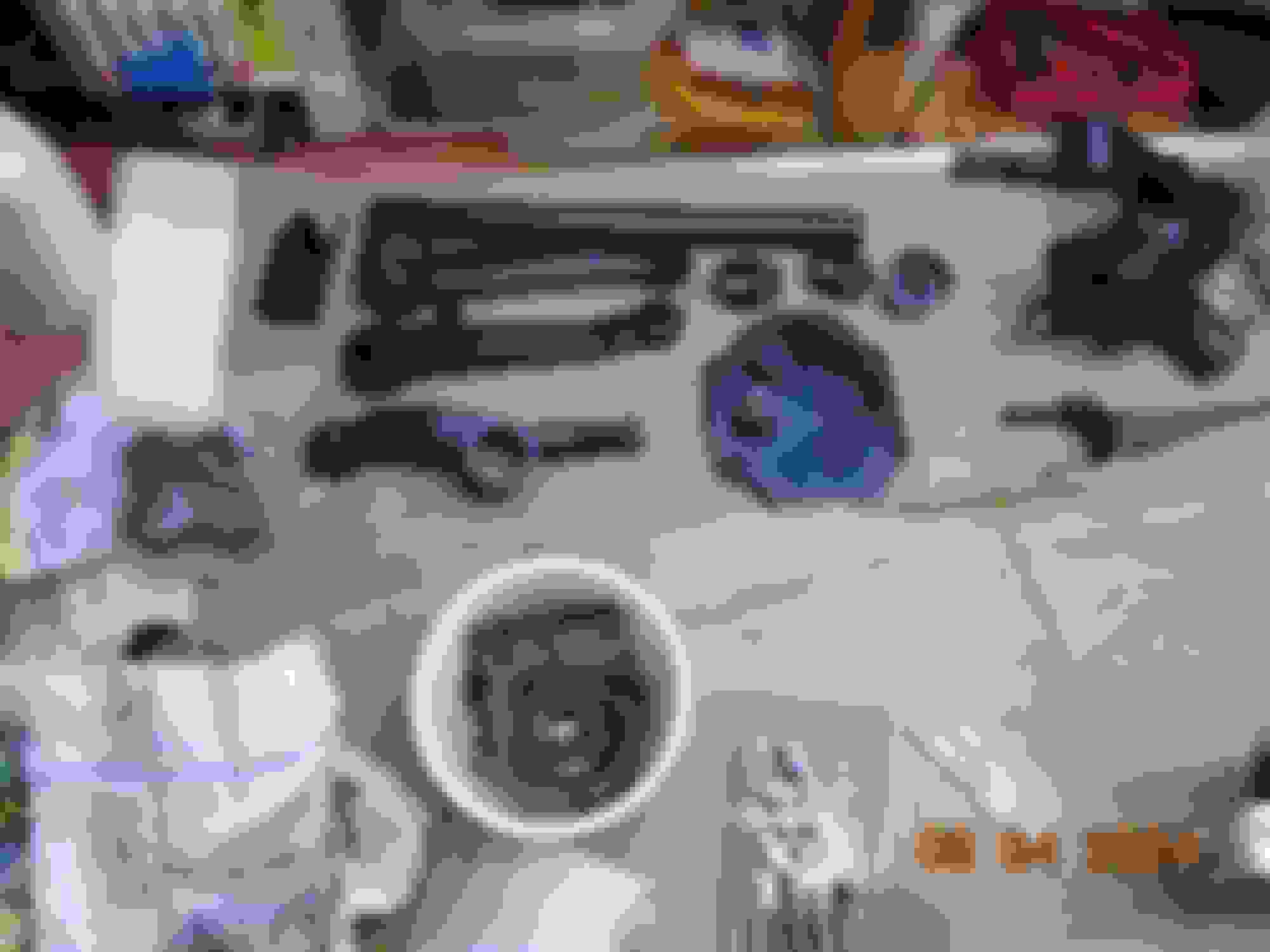
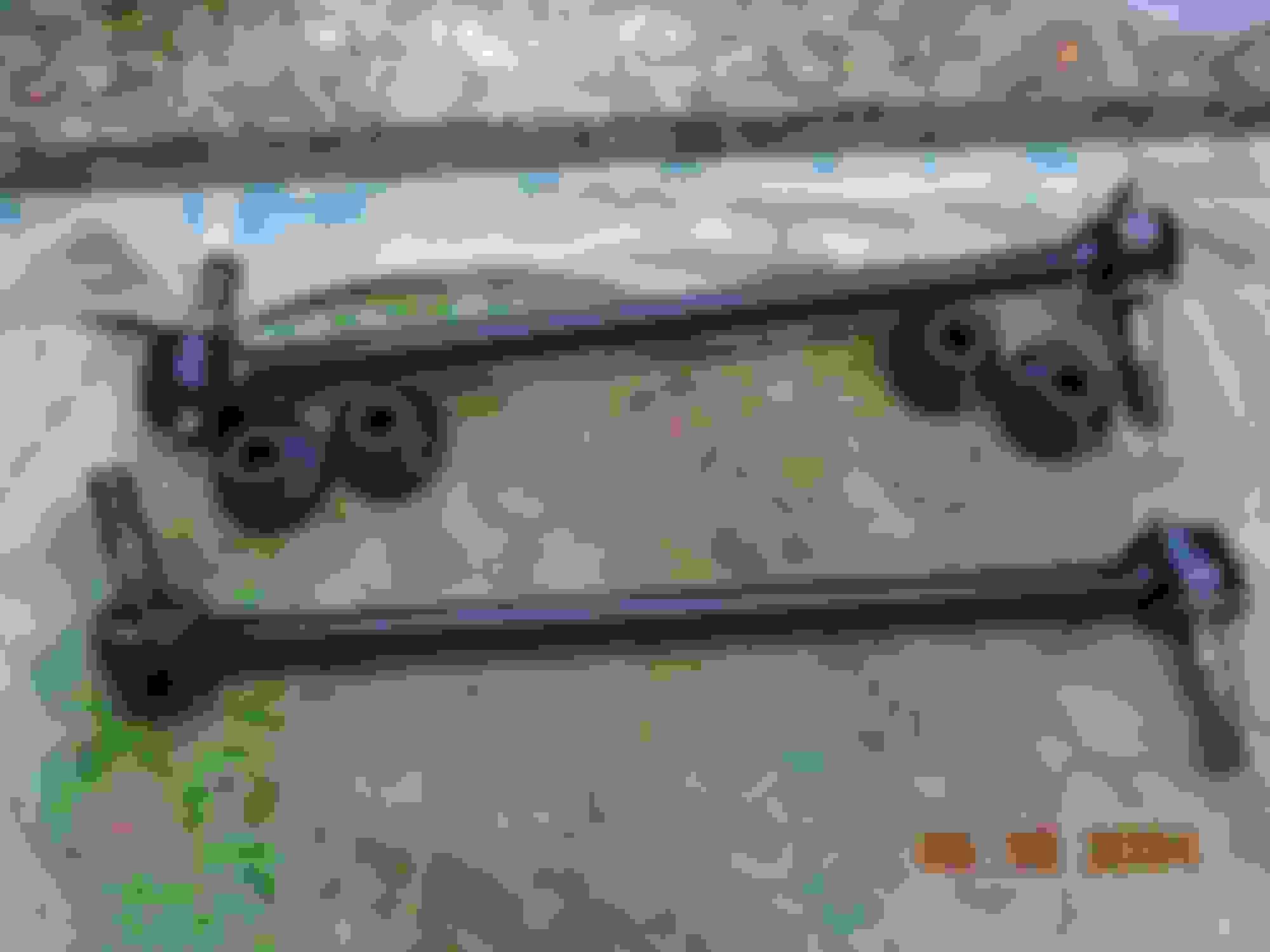
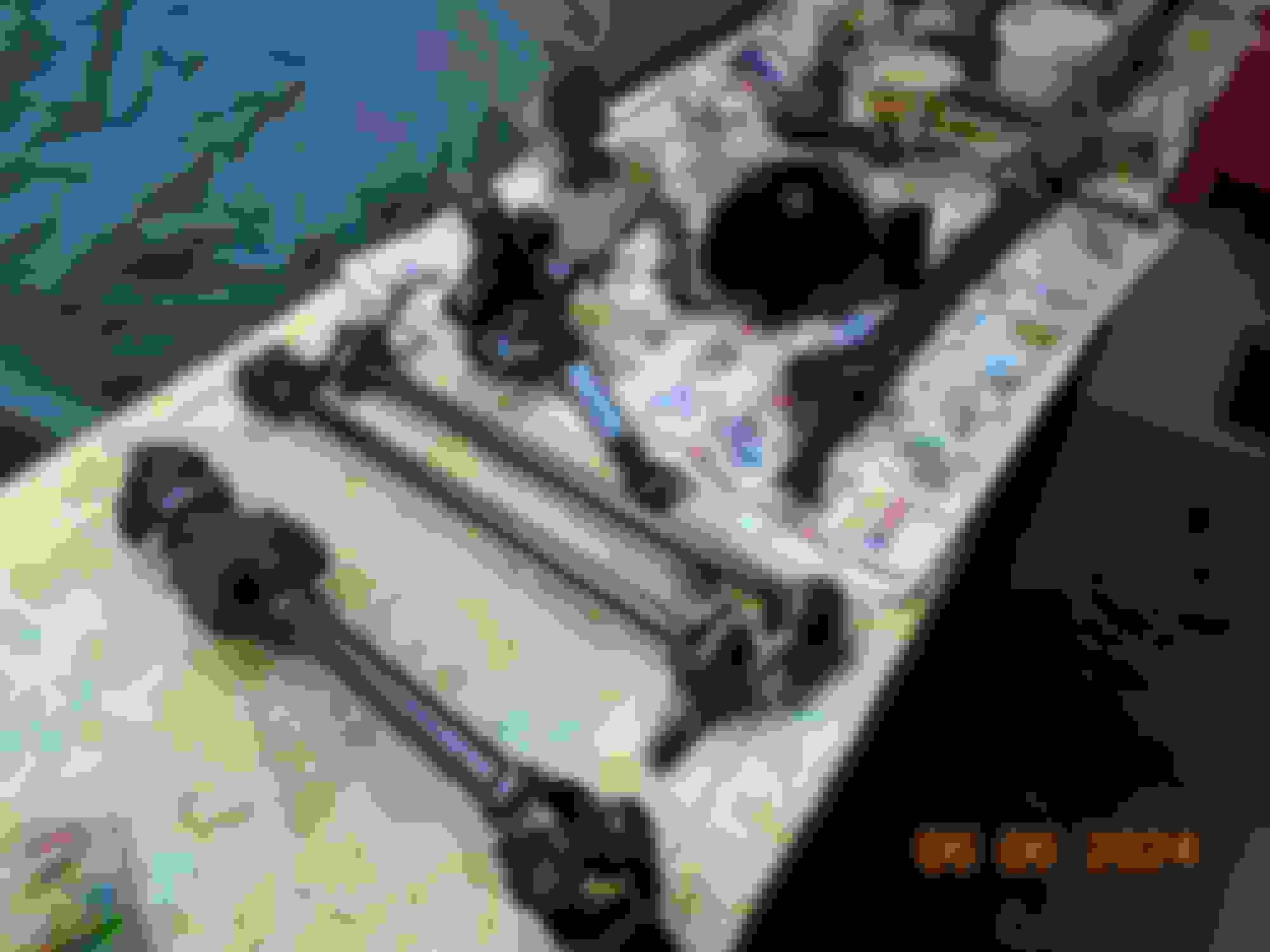
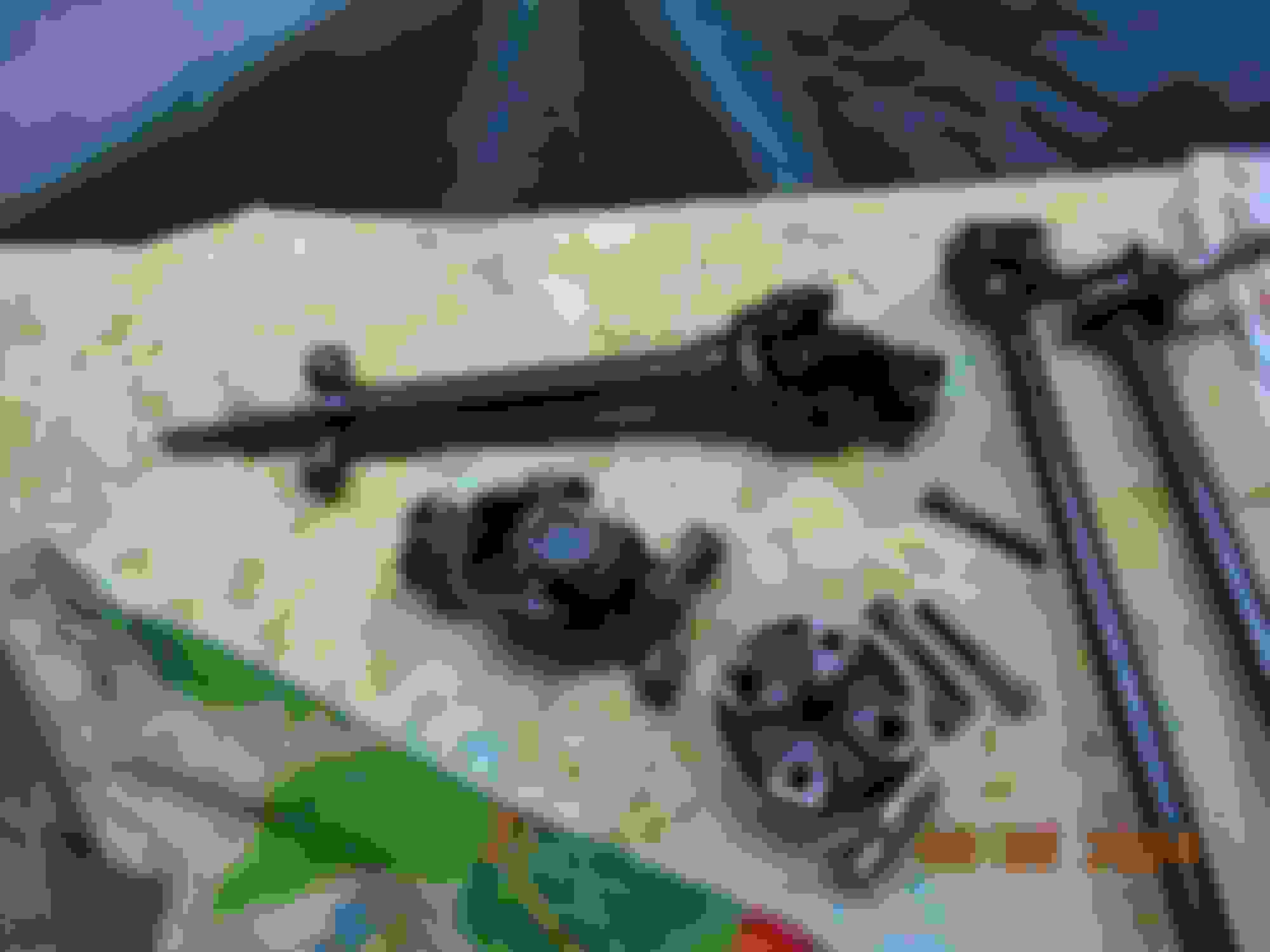
We have replaced our standard manual steering box with a quicker ratio box. The standard manual box has a ratio of 20.3:1 (part# C.14846) with a quicker ratio box of 17.6:1 (C.8928). The quicker ratio manual boxes were apparently a special order option. We sourced the box with the steering arm, the idler with the idler arm, the L&R tie rods, the center tie rod tube and the attached L&R pieces that contain the Tie Rod Pin and Bush Assembly Options. See my post on these.
Note: the steering arm and idler arms are slightly longer on the quicker ratio setup. Also on the manual setup, the L&R tie rods are fixed as only the center tie rod tube allows for the adjustment of the toe.
We cleaned all the parts, disassemble the box and idler, reassembled with new gaskets, seals etc. We also replaced the rubber coupling on the lower steering column. Both u-joints are in great condition. We found out via a search that the rubber coupling needs to be squeezed to be able to be fitted, then relaxed
As for the tie rod pins and bushes, again refer to the above link. We sourced the polyurethane bushings, and installed in the L&R carriers, lubricated with EP grease as was suggested in the link.
The old components were removed and the replacements installed. Total toe set at 1/16"
The result exceeded my expectations. The steering is of course much more responsive that before and actually turns much easier than before. We were afraid that would not be the case thinking more effort would be needed to turn the wheel in parking situations, Absolutely NOT the case. With this current setup, I am not sure any form of power assisted steering will be necessary as I was going to look in the future for the Varamatic setup, at least for now.
We attribute the easier effort to the use of the polyurethane bushings. There is not real resistance using the bushings when turning. If I understand the original pin setup, the rubber surrounding the pins was bonded to the pin and the outer sleeve which was pressed into the carriers. This ceased some resistance and compliance with the rubber when turning. I am not sure if the updated pins discussed in the link offer any resistance when turning.. Can someone verify this?
Anyhow in our case it does appear that the upper and lower polyurethane bushings seem to be fixed and only the pin rotates inside the bushings which seems to be the correct way to swivel. We will monitor this as miles are put on the update.
Our only concern going forward are the life of the polyurethane bushings and whether in time we need to change them out.
Does anyone else have a MK2 with the quicker ration box setup, or for that matter using the polyurethane bushings on a standard ration manual box.
Thought this swap might be of interest to those who still have the orignianl manual steering setup.
Note: the steering arm and idler arms are slightly longer on the quicker ratio setup. Also on the manual setup, the L&R tie rods are fixed as only the center tie rod tube allows for the adjustment of the toe.
Nice job.
The longer steering arms and idlers might contribute to making the turning of the steering wheel easier whilst retaining the better lock to lock of the quick ratio box. On the variomatic set up the steering arms and idlers are "beefed" up and more curved for strength to stop them being bent if you were to turn the steering when the wheel was against a kerb.
1960 MK2 originally a 2.4L now with a 3.8L 4speed OD LHD
We have replaced our standard manual steering box with a quicker ratio box. The standard manual box has a ratio of 20.3:1 (part# C.14846) with a quicker ratio box of 17.6:1 (C.8928). The quicker ratio manual boxes were apparently a special order option. We sourced the box with the steering arm, the idler with the idler arm, the L&R tie rods, the center tie rod tube and the attached L&R pieces that contain the Tie Rod Pin and Bush Assembly Options. See my post on these.
Note: the steering arm and idler arms are slightly longer on the quicker ratio setup. Also on the manual setup, the L&R tie rods are fixed as only the center tie rod tube allows for the adjustment of the toe.
We cleaned all the parts, disassemble the box and idler, reassembled with new gaskets, seals etc. We also replaced the rubber coupling on the lower steering column. Both u-joints are in great condition. We found out via a search that the rubber coupling needs to be squeezed to be able to be fitted, then relaxed
As for the tie rod pins and bushes, again refer to the above link. We sourced the polyurethane bushings, and installed in the L&R carriers, lubricated with EP grease as was suggested in the link.
The old components were removed and the replacements installed. Total toe set at 1/16"
The result exceeded my expectations. The steering is of course much more responsive that before and actually turns much easier than before. We were afraid that would not be the case thinking more effort would be needed to turn the wheel in parking situations, Absolutely NOT the case. With this current setup, I am not sure any form of power assisted steering will be necessary as I was going to look in the future for the Varamatic setup, at least for now.
We attribute the easier effort to the use of the polyurethane bushings. There is not real resistance using the bushings when turning. If I understand the original pin setup, the rubber surrounding the pins was bonded to the pin and the outer sleeve which was pressed into the carriers. This ceased some resistance and compliance with the rubber when turning. I am not sure if the updated pins discussed in the link offer any resistance when turning.. Can someone verify this?
Anyhow in our case it does appear that the upper and lower polyurethane bushings seem to be fixed and only the pin rotates inside the bushings which seems to be the correct way to swivel. We will monitor this as miles are put on the update.
Our only concern going forward are the life of the polyurethane bushings and whether in time we need to change them out.
Does anyone else have a MK2 with the quicker ration box setup, or for that matter using the polyurethane bushings on a standard ration manual box.
Thought this swap might be of interest to those who still have the orignianl manual steering setup.
Thanks
jjsandsms
I have a 1965 Daimler 2.5 V8 saloon which was built with Jaguar Mk 2 manual steering. A previous owner retro-fitted the Burman power steering Jaguar system that was available from the factory as an option. This has the PAS curved drop arm but the standard straight idler arm has not been replaced with the curved one for PAS. Is this OK or will it upset the geometry?
As the PAS box has excessive play and the whole system is leaky, rather than overhauling it all I am considering fitting a rebuilt quick ratio steering box with electric power steering. This box comes with a drop arm. I have a choice of electric PAS from Litesteer or EZ-Steer. Has anyone any experience with this, or any comments please?
I have a 1965 Daimler 2.5 V8 saloon which was built with Jaguar Mk 2 manual steering. A previous owner retro-fitted the Burman power steering Jaguar system that was available from the factory as an option. This has the PAS curved drop arm but the standard straight idler arm has not been replaced with the curved one for PAS. Is this OK or will it upset the geometry?
As the PAS box has excessive play and the whole system is leaky, rather than overhauling it all I am considering fitting a rebuilt quick ratio steering box with electric power steering. This box comes with a drop arm. I have a choice of electric PAS from Litesteer or EZ-Steer. Has anyone any experience with this, or any comments please?



 Standard manaul steering box replaced with quick ratio box -Done and works!