When you click on links to various merchants on this site and make a purchase, this can result in this site earning a commission. Affiliate programs and affiliations include, but are not limited to, the eBay Partner Network.
Hello, I've recently acquired a 1996 XJR, and I haven't had the chance to do much to it yet other than trailer it home, but I wanted some advice on how to proceed. I'm not new to Jaguars, I also have an XJS Hess Convertible, but this is my first X300 and I have a few diagnostic questions.
I bought the car after it had been sitting for about 4 years, the last paperwork on the car ends in late 2016, the owner had the car covered and sitting at the back of his driveway since then. The reason he parked it, allegedly, is because the throttle position sensor was starting to go out and he didn't want to put the $6-700 into the car, so he bought a new XF Sportbrake.
I've gotten the car home, given it a fresh battery, and have started going over the basics on it. The one issue I'm having with the car is that it cranks but no start, I've verified it does have spark by checking the plugs and getting the car to cough a few times with starting fluid. My mind immediately went to the fuel pump and relays, as I had experienced the same problem with my XJS. With the key on, although it's hard to tell since I'm working on the car by myself, I don't think I can hear the pump(s) kicking on. I bypassed the relay for the secondary pump, still didn't hear the pump kick on I don't think (again, hard to tell as I'm doing this by myself and have to be up front to crank the car and turn the key). At the time, I only had some thin gauge wire on hand, so I used that to jump the two pins for just a few seconds, also I wasn't sure which pins to jump exactly and didn't want to fry the ECU. Either way, the car did barely cough for about a second or two.
My question is: Are the pumps on the X300 just unusually quiet and I have another non-pump related issue? Or is it possible that both pumps are bad? I'm going to check for fuel flow at the rail tomorrow and see if fuel is making it up to the engine. I've also read that there is a hose to the pump that likes to detach and can cause no fuel flow, but I figured I'd check other options before pulling the tank.
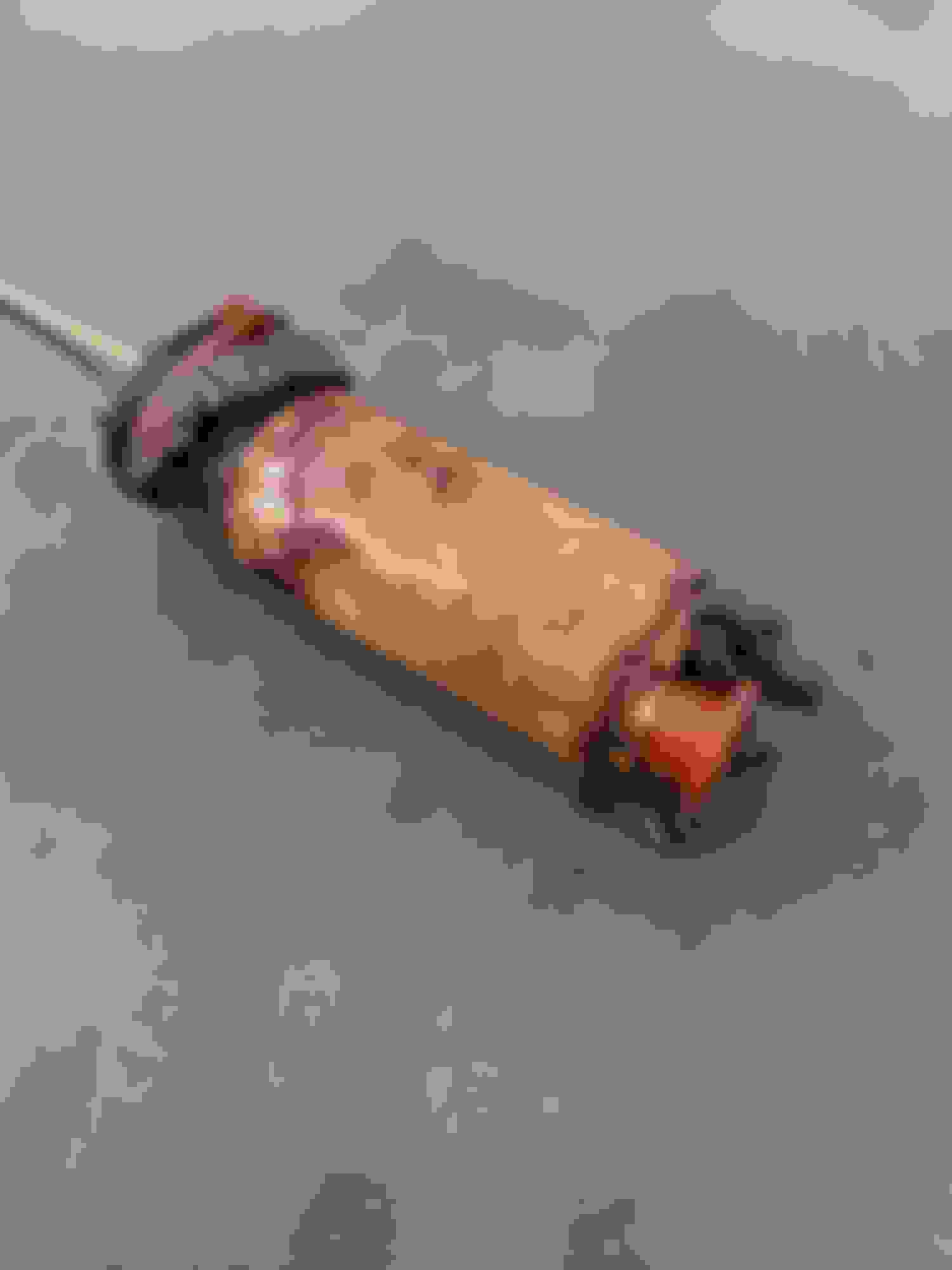
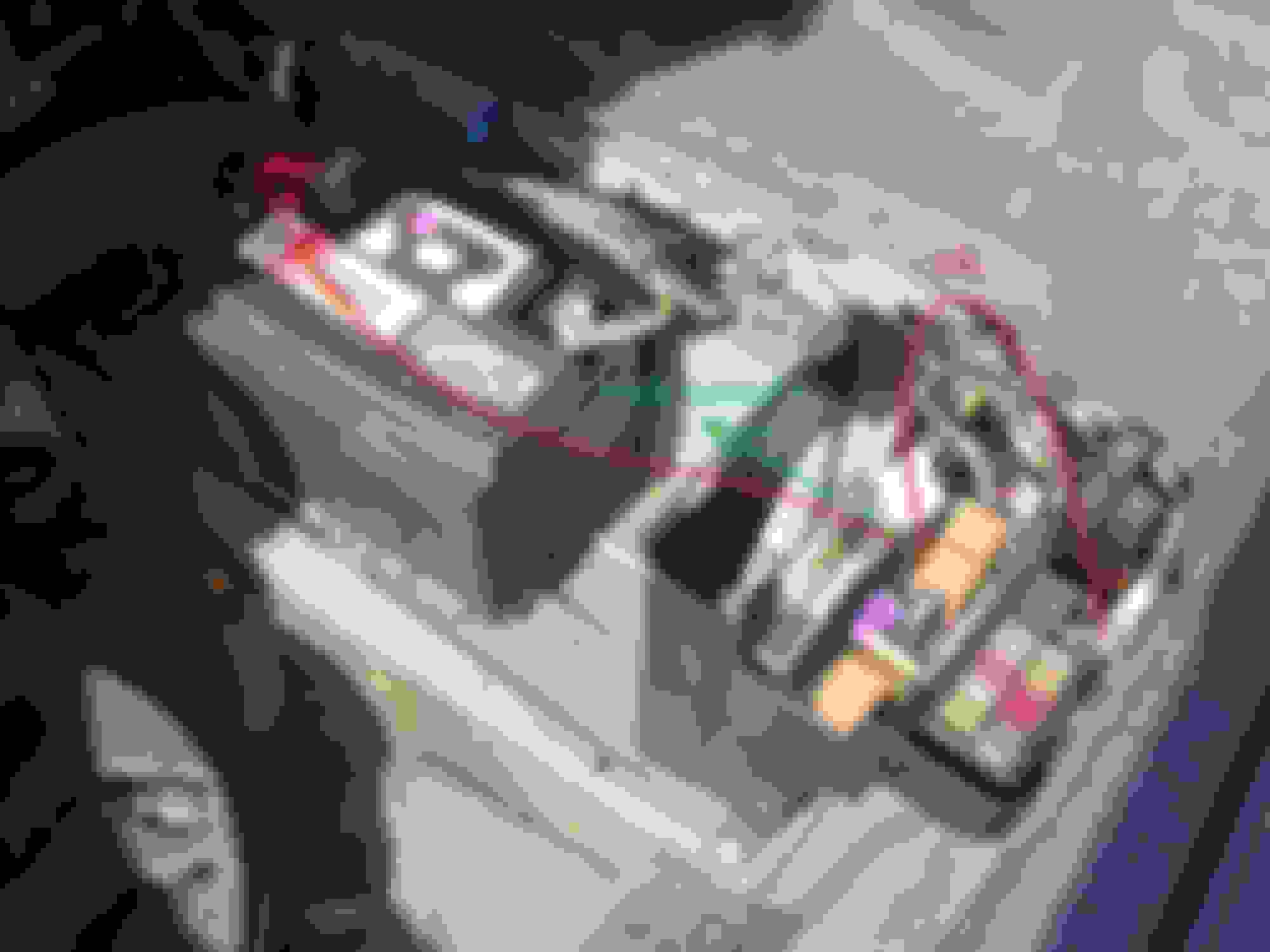
As an update to this thread: I bypassed the pump relays, checked for pressure at the rail, still nothing. Ended up pulling the tank, both pumps were/are completely destroyed, as well as the rubber collars/mounts (P/N# NNA6025BA). New pumps have arrived, can't seem to find a replacement for the pump collars though, minus one person on eBay
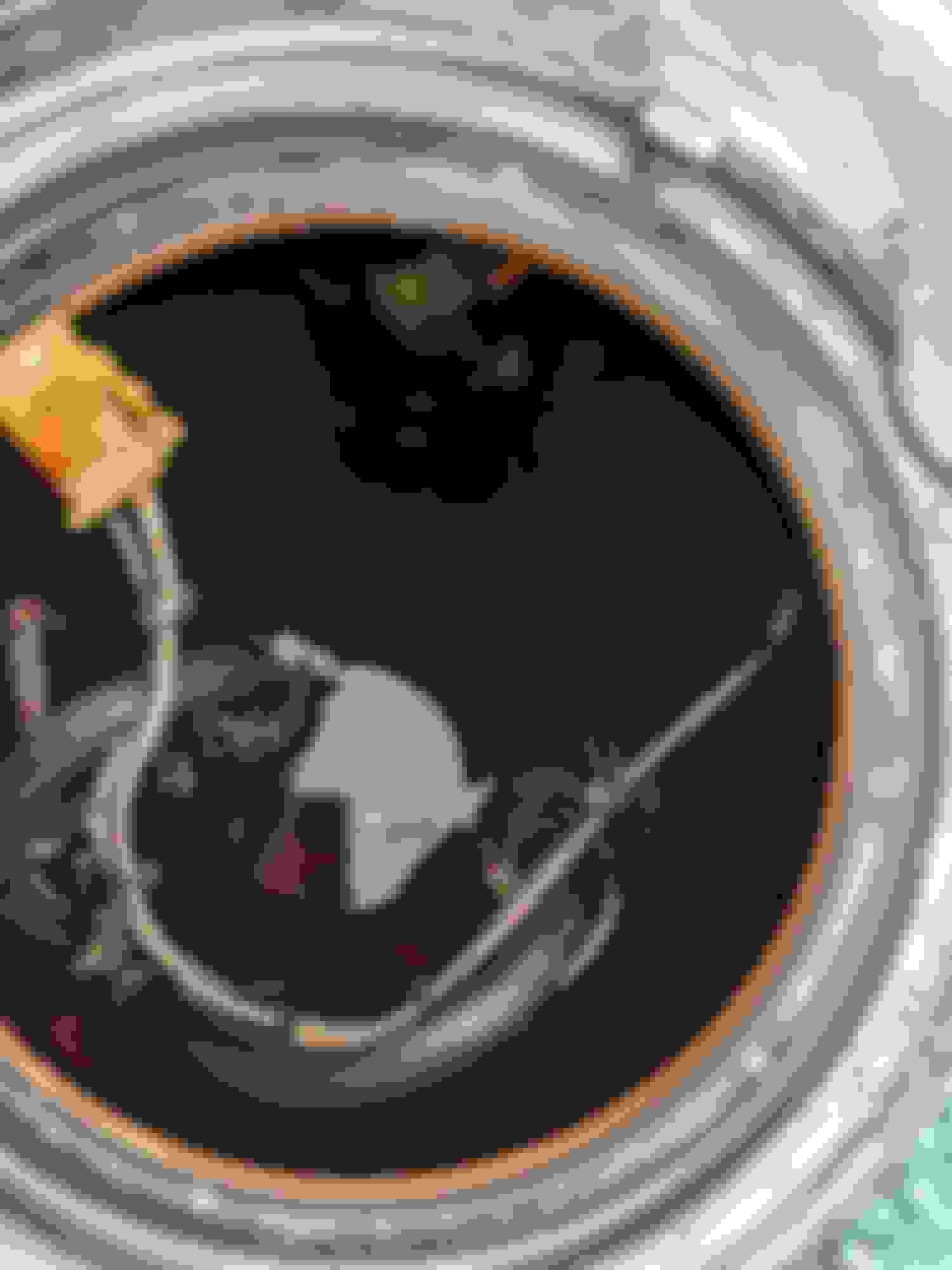
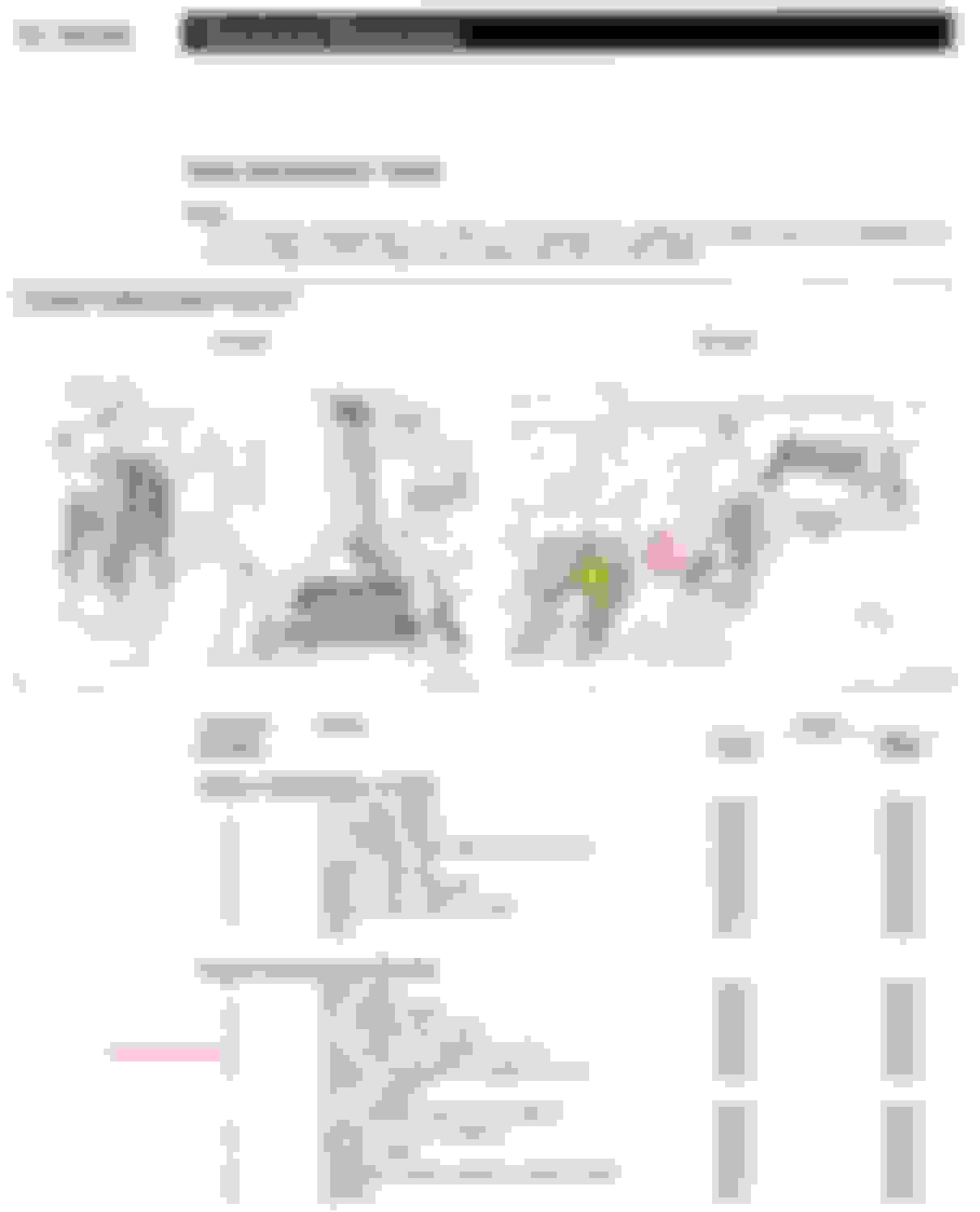
I've decided to design my own replacement pump mounts, my fuel safe filament should be delivered by the end of the week so I can test the design. If anyone is interested, I already have the part on thingiverse, although it is subject to change once I print a couple and test them (thing:4694424) Inside of tank One of the old pumps Pump Mount Diagram
I had experience chasing a no start situation after my 1995 XJR fell into a coma for three years. The fuel may be more extensive so after you have dealt with the fuel tank and fuel pump, you may wish to check out the fuel filter, fuel pipes, fuel rails and possibly the fuel pressure regulator. Although you may have replaced the spark plugs you would want to try removing them again to see if they may have been fouled by bad fuel and water in tank being drawn into the system during the fire-up attempts. You may also have to look at the fuel injectors as they may have corroded or are partially blocked due to contaminants or rust in fuel. You will also need a very strong battery and make sure that the starter can rotate freely. If these still would not wake the engine up and you are sure you have fuel, sparks and power, you might need to find ways soak the engine with lubricant and crank the engine manually, as surface rust in the chambers may be inhibiting the recovery movement. My mechanic even poured some engine oil into the fuel tank. Good luck!
New pumps installed, finally had the time and motivation now that the weather is nice. They work as they should, getting fuel at the rail.
One problem though is the car won't fire. As far as I can tell it's possibly something to do with the ECU relay on the RH side of the engine bay? I have no check engine light at all, and I pulled the ECU and there is no corrosion on any of the pins. Anyone have any ideas?
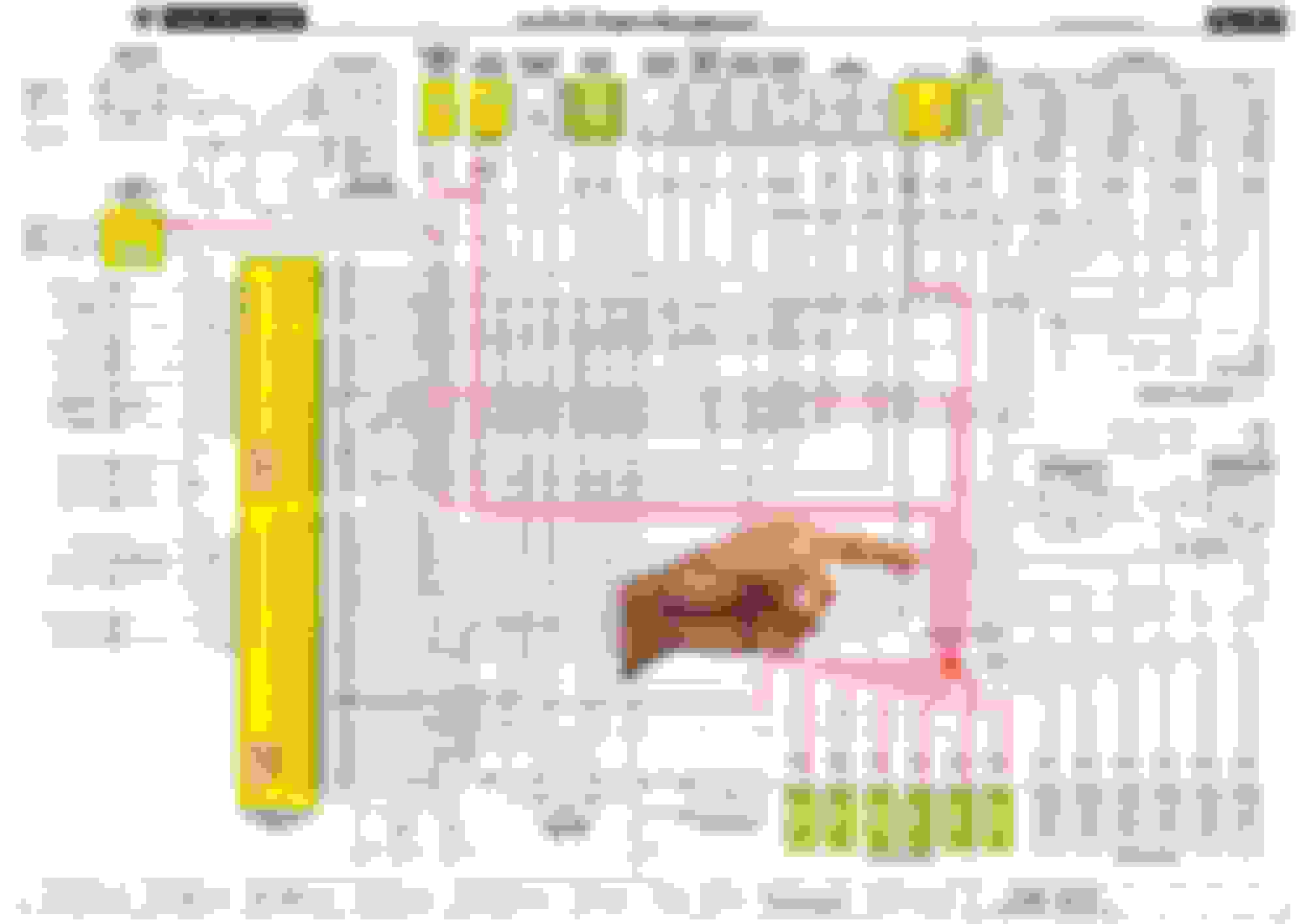
With fuel pressure on he fuel rail the injectors are powered by the ECU controlled relay ( also 2nd power to the ECU ) part # X ( large # 5 right ) which can be swapped with the same part # like the headlight relays , A/C /heater relay or the fog
The right engine fuse box relay ( first power to the ECU ) can be swapped with the left engine fuse box where in reality the left is the car horn
There is one fuse that controls both fuel pumps in the right heelboard fuse box ( # 10 / 5 amp ) that is different then the power fuse that drives both pumps
The second fuel pump " control " will not activate or enable until 4000 RPM
The battery must have 11.4 volts to operate The ECU properly for the fuel injectors to get their timed ground to open flow
The engine will crank over just fine below this 11.4 point but no fuel
Last edited by Parker 2; Mar 11, 2021 at 12:03 AM.
With fuel pressure on he fuel rail the injectors are powered by the ECU controlled relay ( also 2nd power to the ECU ) part # X ( large # 5 right ) which can be swapped with the same part # like the headlight relays , A/C /heater relay or the fog
The right engine fuse box relay ( first power to the ECU ) can be swapped with the left engine fuse box where in reality the left is the car horn
There is one fuse that controls both fuel pumps in the right heelboard fuse box ( # 10 / 5 amp ) that is different then the power fuse that drives both pumps
The second fuel pump " control " will not activate or enable until 4000 RPM
The battery must have 11.4 volts to operate The ECU properly for the fuel injectors to get their timed ground to open flow
The engine will crank over just fine below this 11.4 point but no fuel
I swapped the large ECU relay at the front of the engine bay with the one for the headlights, still no check engine light. Definitely getting over 11.2 volts, I even tried jumping it with one of my other cars. Haven't tried swapping or testing the RH Fuse Box relay yet, but I did notice it smelled a little... off? Will swap it with a known working one tomorrow and update if the CEL returns
Originally Posted by Parker 2
In replacing the 2 fuel pumps it is recommended to change both pump relays and check the on the pump connectors for burnt sockets
Both pump relays were checked with a multimeter, as well as the connector sockets. They seem to be working correctly (pumps turn on when cycling the key, pressure at the rail, etc). I'm definitely getting fuel, but it's as if the ECU isn't getting power or communicating in some way, hence the no Check Engine Light at key-on
Last edited by BuckleSpring; Mar 11, 2021 at 12:21 AM.
Reason: Didn't mention battery voltage
I have doctors appointments Thursday so will not return until later that afternoon
The fuel pump relays can read voltage correctly with a meter but have burnt power contacts inside limiting the current to property run the pumps
Place your finger on the right engine fuse box relay ( called the ignition positive relay ) that it gets the proper command click to close from the ignition switch ( more on that later )
The right heelboard fuse # 10 should be OK if the fuel pump relays click closed
Last edited by Parker 2; Mar 11, 2021 at 12:43 AM.
The # 1 fuel pump will only run for 4 seconds as you rotate the key and then the pump ill shut off
Fuel pressure should be trappped in the fuel line at that point and hold for days
After the ECU sees engine rotation by the crankshaft position sensor will the ECU provide a ground to enable the # 1 fuel pump relay to close again for the duration of you drive . So you should get 3 clicks of the relay
The single CKPS signal is seen as the RPM , ignition timing , injector timing and fuel pump enable but can fail to be seen well enough for the fuel pump enable and never give a CEL code .
This is a crash / safety feature that can throw you off in trouble shooting
There is also a inertia / crash switch that will disable the fuel pump and can trip off with a bad pothole and has to be reset
This trapped fuel pressure can leak from either of your new pumps where a chek valve is located in each or up front with the FPR and even a leaking injector
you can cycle the key a couple of times to overcome this initial fuel line priming before rotating to the start position
If the jumper the fuel pump relay you bypass all this control mumbo jumbo
Last edited by Parker 2; Mar 11, 2021 at 08:19 AM.
The single CKPS signal is seen as the RPM , ignition timing , injector timing and fuel pump enable but can fail to be seen well enough for the fuel pump enable and never give a CEL code .
If the jumper the fuel pump relay you bypass all this control mumbo jumbo
I jumped the fuel pump relay to bypass all of this, still no change. No check engine light during the key on bulb test
" No check engine light during the key on bulb test " you might resolve this with the swapping of the right engine fuse box relay . !st power
And the ECU [size=13px]controlled[/size] relay that brings power back into the ECU as the 2nd power
Might be time to look at the ignition switch
Last edited by Parker 2; Mar 11, 2021 at 02:31 PM.
you might resolve this with the swapping of the right engine fuse box relay . !st power
And the ECU [size=13px]controlled[/size] relay that brings power back into the ECU as the 2nd power
Might be time to look at the ignition switch
I pulled the #1 plug to verify the injectors aren't firing, the plug definitely is dry. I swapped the RH fuse box relay with another, no change. Going to try swapping or jumping that relay at the rear of the car and report back. Here, I took a video of what I'm seeing during key on and attempting to start
Link to video: https://photos.app.goo.gl/DAmKHSq4c5TCb5Rk9 Plug #1
Yes the #5 relay was swapped with a known working one, as well as the brown RH fuse box relay. Going to hook up my scanner and see if it can even see or connect to the ecu, and go from there. Although the rev counter does slightly move when being cranked while jumped, I don't think it's moving as much as it should, so I'm going to look into that after checking the rest of these relays
Yeah, just noticed. I was able to hook up a scanner and the ECU is communicating so I think I've ruled that out. I also have been looking at the tachometer when cranking, even when the car is being jumped by another running car, And I'm not sure it's doing what it's supposed to do.
Have you checked the bulb for the Check Engine light?
Tach not moving during cranking is usually a sign of dead Crankshaft Sensor (should go to about 200 rpm). Unless it's known to be good, I'd replace the Crankshaft Sensor before chasing anything else.
Have you checked the bulb for the Check Engine light?
Tach not moving during cranking is usually a sign of dead Crankshaft Sensor (should go to about 200 rpm). Unless it's known to be good, I'd replace the Crankshaft Sensor before chasing anything else.
Did not pull the cluster to check the light, but I've checked all power to and from the ECU and it is good, and a scanner can connect correctly.
Yes, I put a brand new battery in it and watched for tach movement, and I think that could be my issue! Tach basically drops and even when it's cranking fast (maintaining over 11.5V when cranking), the tach maybe barely moves from the fully down position, it's almost not noticeable.
The starting tach speed of 300 ( 300 ) rpm corresponds to the factory crank speed for the factory cylinder compression test value
Someone had that reference but it's not in my head
The voltage on your instrument gauge will be the same as on the positive battery post on your right upper engine rear firewall that feeds your right engine fuse box / ECU first power . I saw this myself on mine because I first didn't believe the gauge
The scanner can connect and see that the ECU is alive but at the lower voltage points can you trust what it is telling you
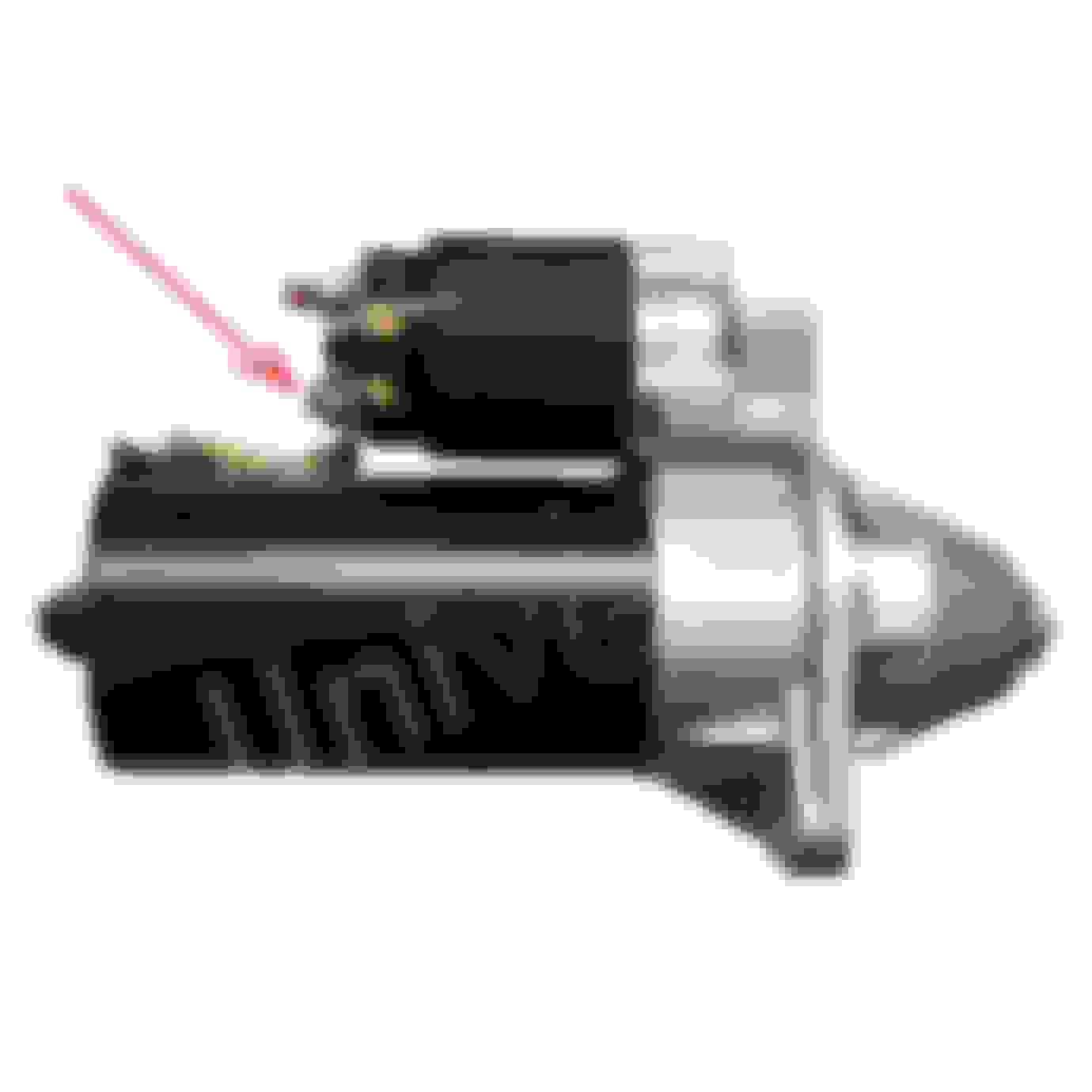
What I found on M' Lady Penelope was the excessive starter voltage sag was from the starter solenoid output terminal post ( different then the battery input terminal post ) had 1.0 ohm short between the solenoid case and the terminal post
You can check this with a 13 mm socket on a 6 inch extension to remove the solenoid lower terminal post ( closest to the starter motor ) pigtail wire to the starter brushes . You must lift the pigtail wire off the post
Without energizing the solenoid you can check the lower post to any ground . This is where you get the sag in battery voltage
Last edited by Parker 2; Mar 11, 2021 at 06:57 PM.





 1996 XJR/XJR6 No Start