When you click on links to various merchants on this site and make a purchase, this can result in this site earning a commission. Affiliate programs and affiliations include, but are not limited to, the eBay Partner Network.
I just bled the brakes on the wife's XJR and my Mark 2 project - hers is a '99 with 35k miles (can't remember the last time I bled those) and (can't believe) it's been 6 years since I filled the system on the beast. I'd noticed a little too much travel on the '99 lately and sure enough, there was air in the front right line (how the hell does that happen?). I had purchased a pressure bleeder for the Mark 2 project since I was filling an empty system that included an ABS pump - and forgot how convenient they are - necessary if working solo. Some bleeders use shop air for a venturi effect - I purchased one with a simple hand pump, and kept the pressure in the bottle at 12-15 psi. There was an optional metric cap for the reservoir that makes hookup a snap. Actual bleed time is literally about a minute per wheel - just crack the bleed nipple and watch the fluid until it runs clear and bubble free. The only downside I see for the bleeder is cleaning the damn thing.
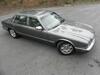
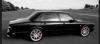
Some notes regarding the XJR. The bleed nipple uses a 9mm box. I filled the bleeder with 2 liters of fluid - used just under 1 liter, and that was committing serious overkill on the flush. Question - after refilling one of the containers to the top with fresh fluid, will it be viable in 3 or 5 years or should I pitch? I used a low viscosity Dot 4 fluid that I saw recommended here. Here are a couple of pics.
few things. You used low viscosity fluid. Not sure you intended to do that. I used ATE 200 fluid, which I believe is more appropriate for the 308.
secondly, I tend to use the motive pressure tank dry. Just use whatever suction tool you prefer to remove most of old fluid from reservoir, then keep adding new fluid as you go around the car. I think I refilled twice on the first one, and then once for corner 2 and 3. The last one I just let run down and then filled it when done. Yes there is a risk you run the reservoir dry, but if you're diligent its a non issue. Also, no cleaning of the motive tank and no wasted fluid.
I think you can keep the fluid for top ups over the next month or so, but beyond that, just chuck it.
Will toss the fluid. I used the LV fluid based on a thread I read here on the forum - at the end of the day I assume DOT4 is DOT4. I like the idea of conserving fluid and not cleaning the bugger, but would hate losing the convenience of nonstop bleeding - especially when encountering persistent air in the system. Something I forgot to mention: I'm accustomed to bleeding brakes starting with the caliper furthest (farthest?) from the master and finishing with that closest - this is usually RR, LR, RF, LF. I noted the manual has you starting with the left front (closest to the master) and ending with the RR. Wondering if this has something to do with the ABS pump?
I believe the sequence has to do with getting air out of the lines successfully. I found this to be true
on my Chevy Silverado when it had a bad wheel cylinder.
If there’s any sponge in the pedal remove the caliper and rotate it so the nipple is the highest point to bleed.
ATE calipers sit on the hub and will hold a tiny amount of air at their angle, this really applies to a dry to full fill but can screw with people on a standard bleed job.



 Bleeding Brakes