When you click on links to various merchants on this site and make a purchase, this can result in this site earning a commission. Affiliate programs and affiliations include, but are not limited to, the eBay Partner Network.
I finally found out why my car takes 10~15 minutes after start up for the brakes to build pressure and perform normally and why my brake fluid keeps on going down. I have a line leak. I realized this today after I pulled out of the garage and saw a puddle of fresh clear brake fluid by the front right hand wheel (this is a LHD car)
so at least now I know what’s going on at least, why my fluid goes down and air gets in the system until it’s purged after a few minutes of driving. What line is typically responsible for this? Is it likely from the line by the wheel or up top by the accumulator /pump? I can’t really see anything so far at this point in my initial inspection.
Also, once I do find the culprit, is there any temporary fix that I can get done until the part (s) come in so I can drive the car? Car is a weekend garage queen but I do like to move her around at least once a week if weather permits ; and if I am going to need several lines and get labor costs together I don’t want to leave her sitting for a month or two ….I am afraid I just spend the XJS allowance for the quarter on reupholstering the two front seats…….. I never get her on freeways anyway, just drive her around town for a 30-hour to make sure everything is operative and up to temp.
thanks for your help gents
Last edited by Spikepaga; Jul 18, 2021 at 06:15 AM.
The flexible is the most likely leak source; but it could also be a union or even a fractured hard line. If you remove the wheel and then run a finger along the lines from the wing where the line appears to the caliper, somewhere it must get wet with fluid.
Check the accumulator where it threads. When it leaks from there, the fluid will run down the engine bay and land near the front right tire.
Thanks all for your replies
.
I looked at the accumulator and the lined around it. No leaks, no trace of leaking fluid. So it’s at the bottom. I guess this is simple enough as taking the car in to have the line replaced and explaining to my mechanic the process for bleeding the Teves 3 afterwards. The latter is the harder part.
As mentioned, if nothing has recently been disturbed, XJSs are not prone to suddenly springing leaks in the brake lines. As it's on the LH side, I would still look at the accumulator and pump circuitry first. Is it possible that it's the low-pressure pipe that comes from the reservoir, crosses the bulkhead and then has a flexi which provides the input line to the pump and accumulator?
I would try and find the leak before handing it over to your mechanic. And do make sure, as you know, that you explain to them exactly how to do low-pressure and wheel circuit bleeding.
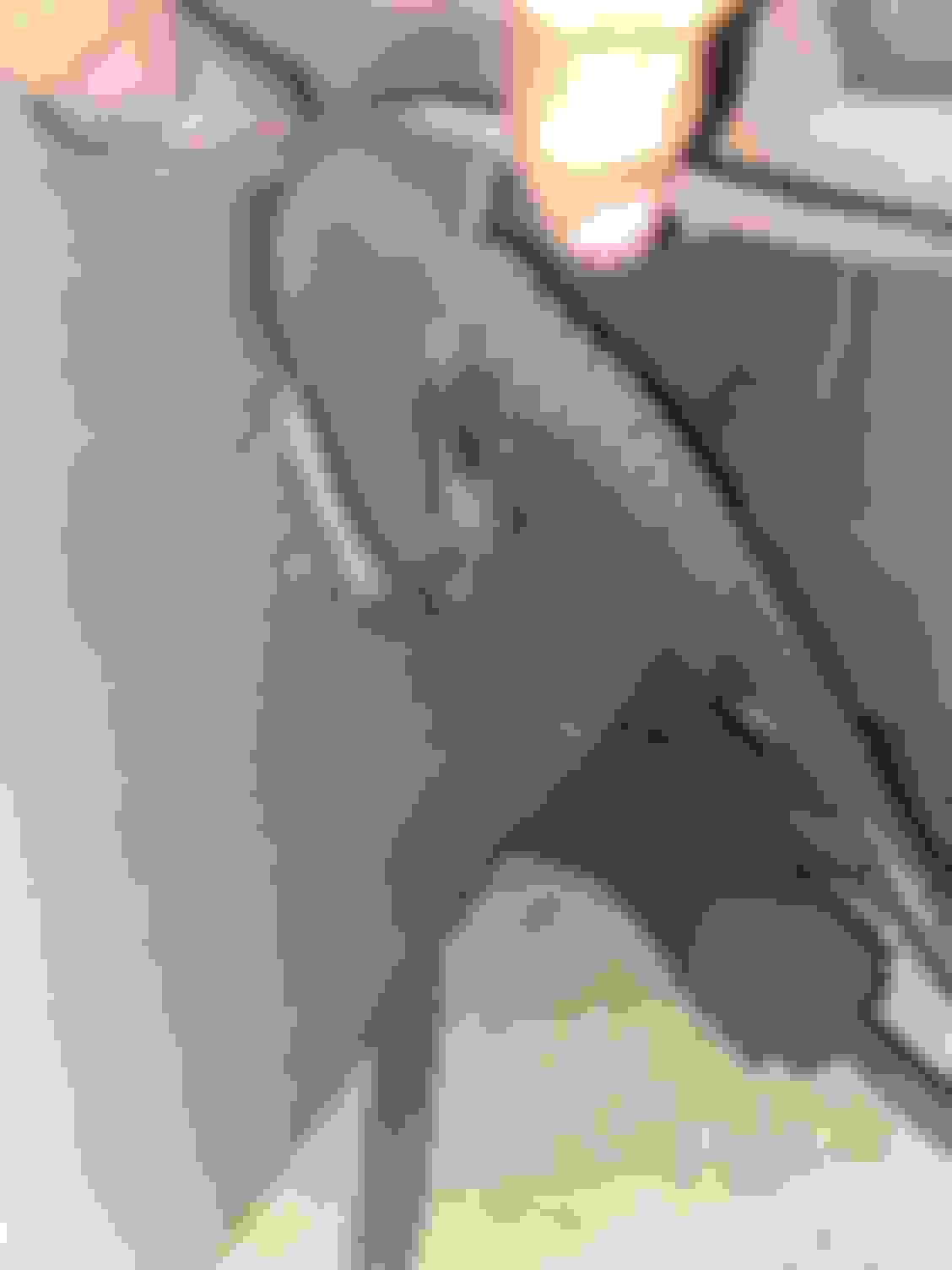
I'm not sure what we're looking at? The flexi-brake hose is the one with the protective coil around it and it doesn't seem to be wet in your picture (from my viewpoint)? There's obviously a lot of protective wax in that region.
I would fully clean the flexi-pipe etc removing the underseal on the pipes etc with white spirit (or whatever it's called in the US!). Get everything fully clean in that area and then see what you've got happening.
I'm not sure what we're looking at? The flexi-brake hose is the one with the protective coil around it and it doesn't seem to be wet in your picture (from my viewpoint)? There's obviously a lot of protective wax in that region.
I would fully clean the flexi-pipe etc removing the underseal on the pipes etc with white spirit (or whatever it's called in the US!). Get everything fully clean in that area and then see what you've got happening.
Cheers
Paul
sorry Paul, yes that’s the ABS sensor hose. Wrong photo.
But the leak is definitely coming from the area close to caliper. It’s either the flex hose or
the caliper itself, although I didn’t know a caliper could leak so much that it’s able to puddle fluid and let air in. I am probably just going to take the car to my non- Jaguar with flex hose and a new caliper in hand…..IF THIS IS THE FRONT CALIPER AND FLEX HOSE LEAKING: is this something any mechanic can do? or are there risks with not following a particular procedure for this system? I would rather try and bleed the entire system myself in my garage and just have the mechanic replace the caliper/flex hose.
ALSO, I should add that the front discs, pads and calipers where replaced maybe 8 -9 years ago. But only about 5 k miles ago, so I think I would prefer to just replace the offending caliper/hose
THANKS!
Last edited by Spikepaga; Jul 30, 2021 at 09:46 AM.
Yes. Any place should be able to fix that, there’s nothing entirely unusual about what you have going on. The only hesitation I have is over your Teves 3 system. It’s the one that you cannot push fluid back up. Any honorable brake shop specialist would probably be more understanding than a run of the mill mechanic.
I would think that you have a trusted mechanic by now that has learned to deal with your car, and more importantly, you the owner.
If not the case, I’d find someone in your local Yelp that gets great reviews. Even better if you can find one that advertises to be a specialist with brakes. The better ones will make you a fuel line that is probably better than the overpriced Jaguar part you'll end up buying….not even sure you will be able to find a new part. If that’s the case, I’d definitely find a place that will fab their own!
Yes. Any place should be able to fix that, there’s nothing entirely unusual about what you have going on. The only hesitation I have is over your Teves 3 system. It’s the one that you cannot push fluid back up. Any honorable brake shop specialist would probably be more understanding than a run of the mill mechanic.
I would think that you have a trusted mechanic by now that has learned to deal with your car, and more importantly, you the owner.
If not the case, I’d find someone in your local Yelp that gets great reviews. Even better if you can find one that advertises to be a specialist with brakes. The better ones will make you a fuel line that is probably better than the overpriced Jaguar part you'll end up buying….not even sure you will be able to find a new part. If that’s the case, I’d definitely find a place that will fab their own!
Thanks for your reply. My trusted mechanic services all my cars, is fair priced, and can literally do anything I ask, reason I am so paranoid about the Teves III. It’s so finicky and eccentric that it can cause all types of hell if not done precisely right.
- You originally mentioned that "air gets in the system until it’s purged after a few minutes of driving." I'm a bit confused by that. What makes you think that there's air in the system? If you have somehow got air in the system, being the Actuator, the line to the pump, or in the wheel circuits, it can't get purged out unless the system is properly bled. So I'm not sure how you think it's being purged.
- If you need to replace a caliper and flexi, do make absolutely sure that the mechanic knows the key facts of an ageing Teves system:
They must not at any cost push any fluid back up the system when retracting the pistons to remove the pads. It can have disastrous consequences for the ABS valve block. They must therefore connect a pipe to the caliper bleed valve, undo the valve and allow fluid to be expunged via that pipe if the pads are pushed back.
Make sure they clearly know how to bleed a Teves system. There is a low-pressure circuit that needs bleeding before the wheel circuits. And the rear wheel circuits need bleeding in a very specific manner that is not like a conventional brake system.
So, if they don't fully understand the Teves system, I suggest you don't let them near the car.
- You originally mentioned that "air gets in the system until it’s purged after a few minutes of driving." I'm a bit confused by that. What makes you think that there's air in the system? If you have somehow got air in the system, being the Actuator, the line to the pump, or in the wheel circuits, it can't get purged out unless the system is properly bled. So I'm not sure how you think it's being purged.
well, it seems like lately, specially if the car goes without driving for over 2 or 3 days, there is poor pressure in the system until it builds up after around 20 minutes of driving. At a stop, the pedal will slowly start going down to the floor (after the car has stopped), the brakes don’t work well and I have to pump them to work. All that goes away during the drive. I am assuming the air eventually gets purged from the system, presumably thru where it’s leaking fluid….also the car pulls to a side when stopping. And of course there is the puddle of brake fluid right by the front right wheel.
This is not always the case, however. Last night I was there, exploring under the car to take photos and pin point the leak. I used brake cleaner where I could. Today the brakes where completely normal as far as pressure and efficacy is concerned, but the car still wanted to throw to one side a bit.
An inconsistent Teves system, a pedal going to the floor, the car pulling to one side etc. That's really disconcerting and sounds very dangerous. I wouldn't drive it until it's sorted. Maybe get under there and completely clean it until you can absolutely pinpoint the leak and then start from there. and start getting familiar with the Teves low-pressure and wheel circuit bleeding routines!
An inconsistent Teves system, a pedal going to the floor, the car pulling to one side etc. That's really disconcerting and sounds very dangerous. I wouldn't drive it until it's sorted. Maybe get under there and completely clean it until you can absolutely pinpoint the leak and then start from there. and start getting familiar with the Teves low-pressure and wheel circuit bleeding routines!
Good luck
Paul
Thanks Paul. I think I am familiar as far as what you have posted, start with the rear left, don’t let the pump run more than 15 seconds, move to rear right etc. Fronts as normal, don’t pump fluid back in etc.
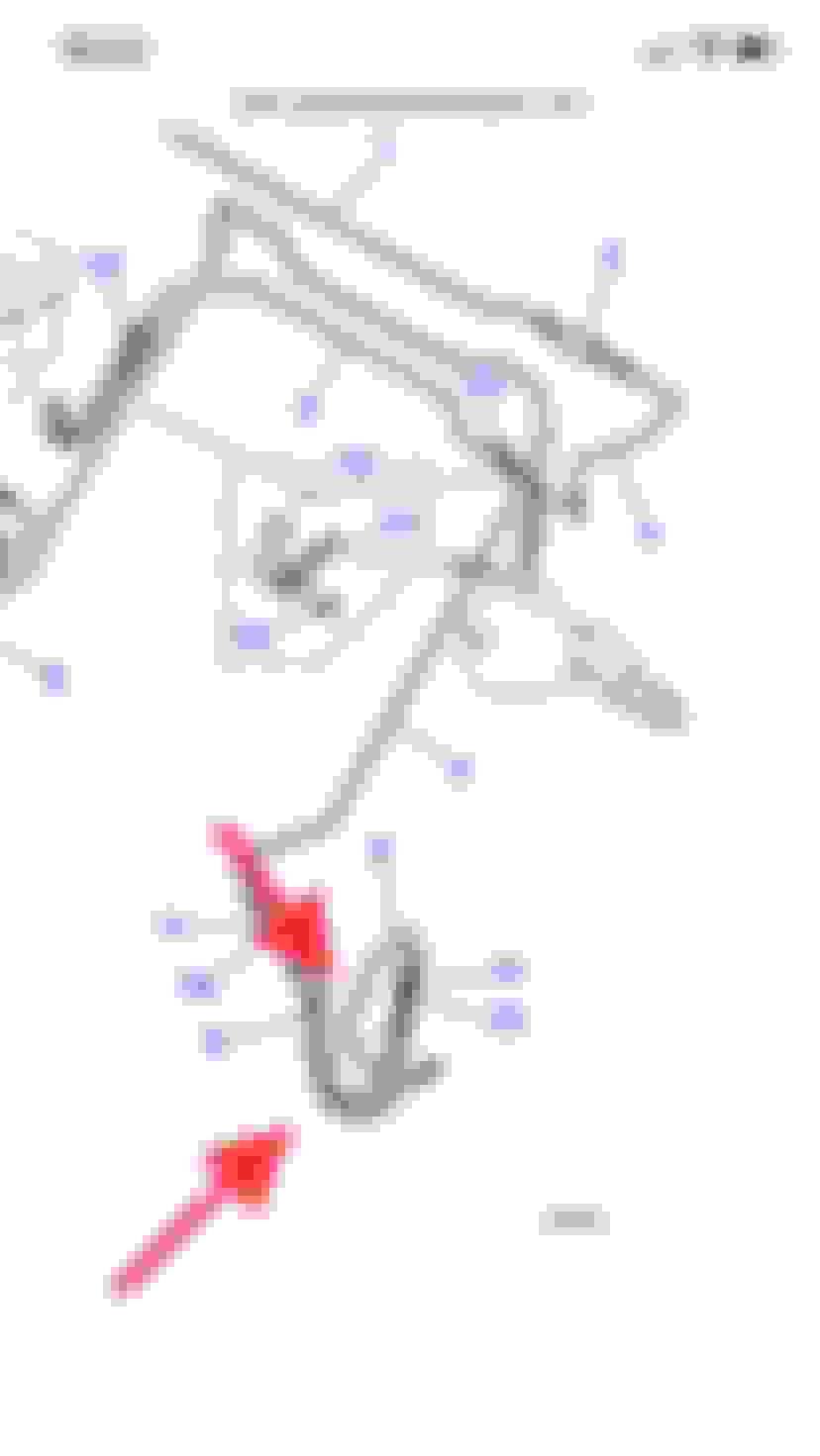
Update on this, I have gone ahead and ordered HOSE 8, HOSE 9 and I will be ordering a front right caliper as well, since I know the leak is coming right by the wheel, hopefully this avoids having to deal with other issues as fluid pumping back, or wasting time trying to diagnose the leak. So it should be a matter for my non-Jaguar mechanic of :
A-Removing old caliper
B-Unscrewing old hose 9 from hose 4
C-Transferring pads from old caliper to new caliper
D-Opening new caliper bleeder nipple
E-Installing new caliper
F-Screwing new hose 9 to hose 4
G-Pumping brake and closing nipple.
I will take the car to a “Jaguar specialist” later to bleed the entire circuit and my wallet
Please let me know if I have missed something here or if the order of things is not right.
If I were you, I would advise your "non-Jaguar" mechanic of the following suggestions.
- Initially fractionally loosen the 2 caliper mounting bolts. Note that the bottom one passes through the steering arm. It is quite possible that this bolt may be completely seized and could require quite radical methods to remove, potentially even needing to cut off the steering arm and replace with a used arm. That is why I would not disturb the brake pipes at this point in case the car needs to be moved.
- Once the 2 bolts are fractionally slackened, I would disconnect the joint of the flexi-hose to the rigid pipe that goes to the caliper and immediately securely cap both pipes
- Then remove the bolts securing the caliper very carefully, noting and retaining any shims that sit between the steering arm.
- Then remove the caliper noting that some fluid will try and be forced from the rigid pipe end as the caliper is wiggled free.
- Then remove the flexi-pipe and cap the end of the main brake pipe that feeds to the flexi.
When refitting:
- Fit the caliper first. Slightly tighten the top bolt, then use a feeler gauge to measure the lower mount bolt gap to the steering arm, and then use the appropriate amount of shims to fit that gap
- Tighten the caliper bolts to the defined torque settiing
- Fit the replacement brake flexi and rigid pipes
- Bleed the front right brake properly, using the proper Teves method with accumulator charged etc. Don't bleed just by pressing the pedal etc
Further to Paul's excellent and grief-saving points, the garage MUST use an impact gun to undo the brake caliper bolts. This is the only reliable way to get them out if they are seized.
If I were you, I would advise your "non-Jaguar" mechanic of the following suggestions.
- Initially fractionally loosen the 2 caliper mounting bolts. Note that the bottom one passes through the steering arm. It is quite possible that this bolt may be completely seized and could require quite radical methods to remove, potentially even needing to cut off the steering arm and replace with a used arm. That is why I would not disturb the brake pipes at this point in case the car needs to be moved.
- Once the 2 bolts are fractionally slackened, I would disconnect the joint of the flexi-hose to the rigid pipe that goes to the caliper and immediately securely cap both pipes
- Then remove the bolts securing the caliper very carefully, noting and retaining any shims that sit between the steering arm.
- Then remove the caliper noting that some fluid will try and be forced from the rigid pipe end as the caliper is wiggled free.
- Then remove the flexi-pipe and cap the end of the main brake pipe that feeds to the flexi.
When refitting:
- Fit the caliper first. Slightly tighten the top bolt, then use a feeler gauge to measure the lower mount bolt gap to the steering arm, and then use the appropriate amount of shims to fit that gap
- Tighten the caliper bolts to the defined torque settiing
- Fit the replacement brake flexi and rigid pipes
- Bleed the front right brake properly, using the proper Teves method with accumulator charged etc. Don't bleed just by pressing the pedal etc
Good luck.
Paul
Thank you Paul.
I do hope nothing is seized. That would not be good at all.
Since I already have both hoses and the caliper, perhaps it would be best to simply bite the bullet and go to the Jaguar specialist directly. I don’t think trying to save money is the best route here. (Another reason I don’t want to go to the Jaguar specialist is because they are usually backed up, and I do not leave my car in shops overnight. It must be done while I wait and look)



 1995 (LHD) Teves 3 Brake fluid leak