When you click on links to various merchants on this site and make a purchase, this can result in this site earning a commission. Affiliate programs and affiliations include, but are not limited to, the eBay Partner Network.
All most done replacing all the fuel hoses with just one last thing I'm double checking. The return line fittings to the main tank, both the sump return and engine return lines look like they may have some type of tube-like seal between the flare and the end. Many pictures online show what look to be some type of thing that goes on the end of the hard line from the flare to the end.
I was as able to dig the previous thing out of one of the holes in the main tank, so I know it exists. Only part numbers I could find are just for the complete return assemblies - hose, compression fittings and lines, etc.
Doing my own fuel hoses, so I got some 8mm Viton tubing, cut to fit onto the end, and installed. Didn't feel right, so pulled it and the seal was messed up. So, did it again, but with a slightly smaller piece of tubing. Seemed to install fine, but I smelled fuel vapors. Smelling the vapors was concerning, so pulled it again and the tubimg had been pushed bacj over the flare. Did it again with no seal and installed fine with no fuel vapor smells.
Should I worry about the lack of some type of seal on those lines into the tank or move on?
Now the pics...
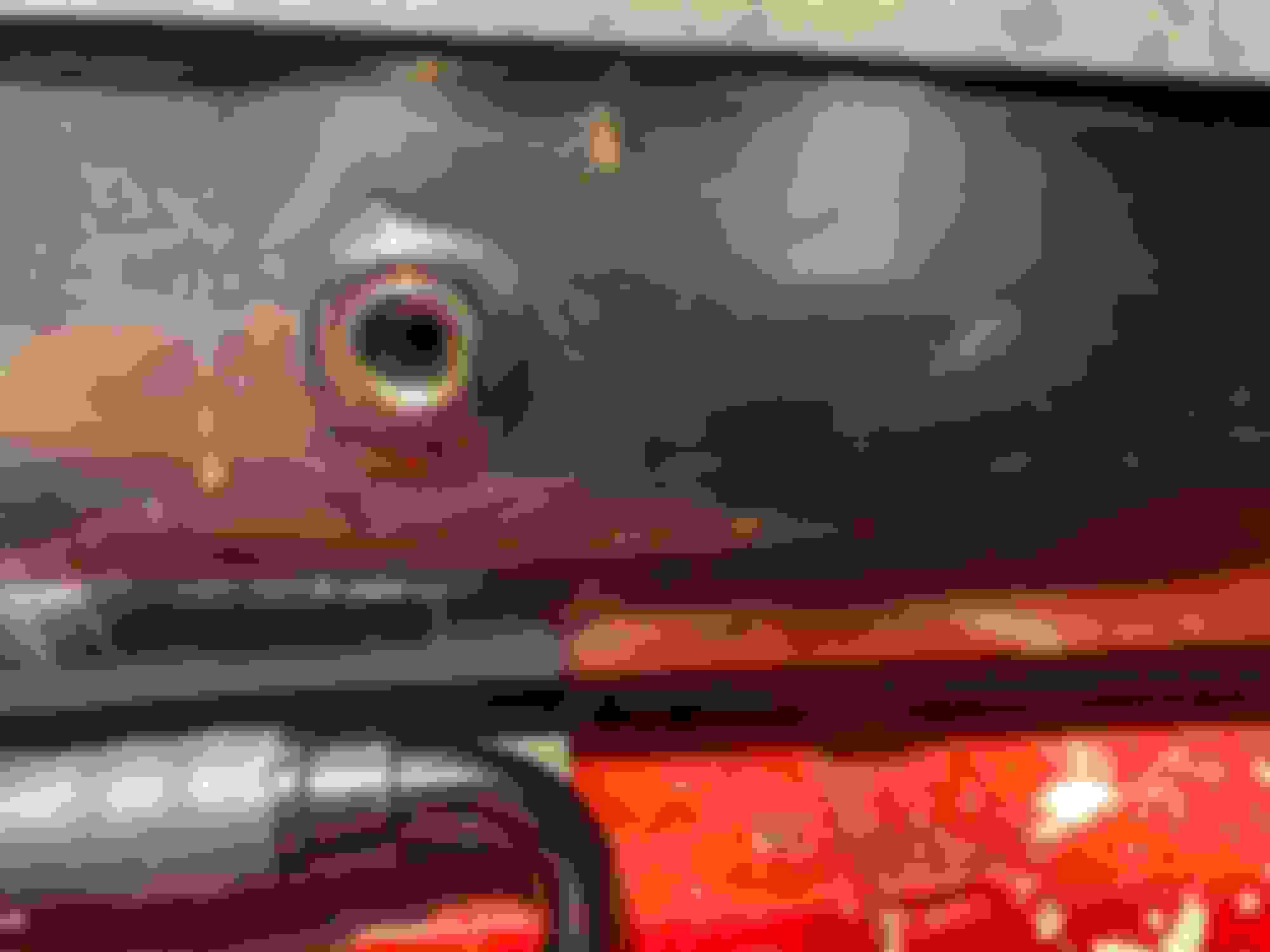
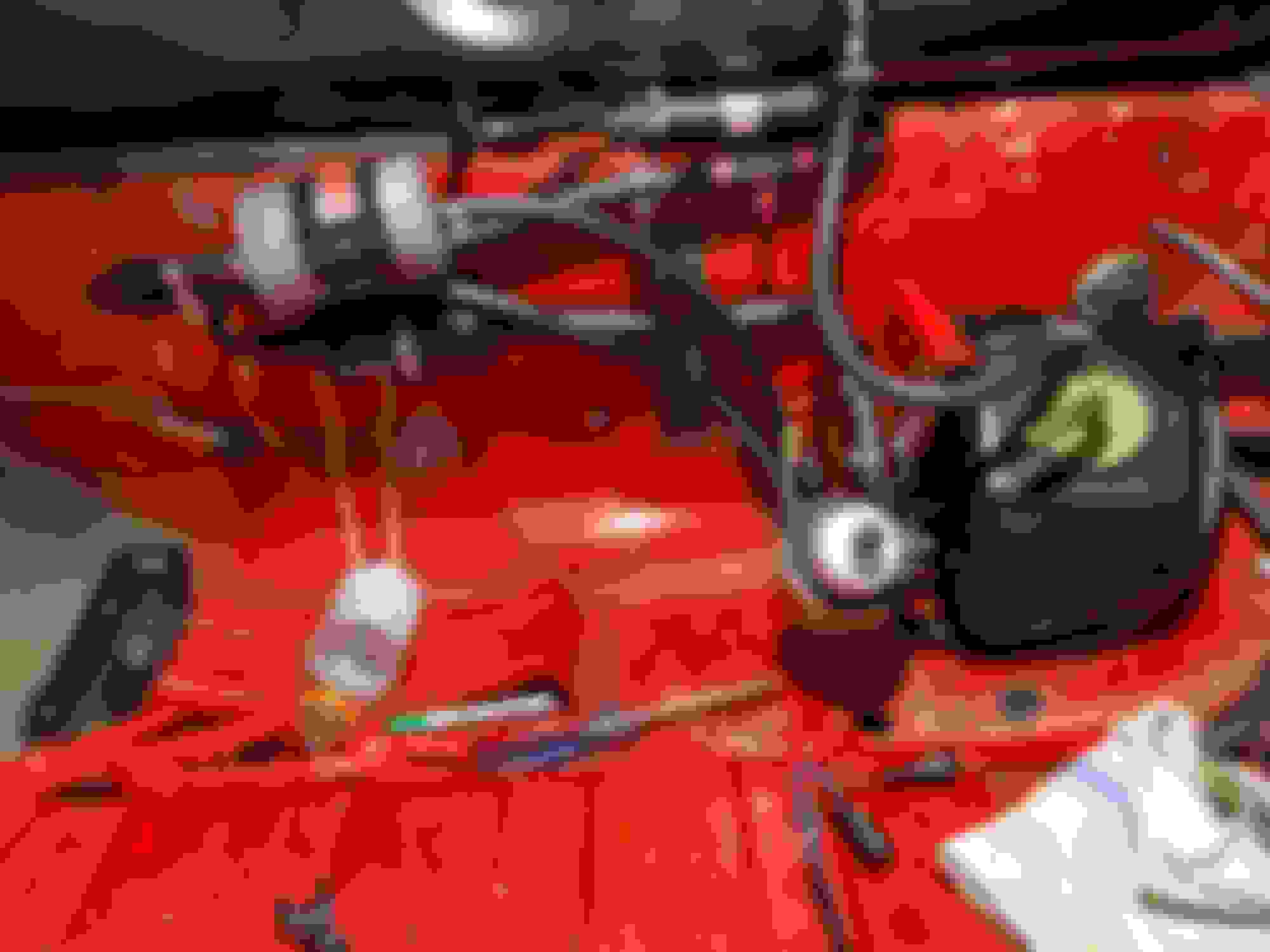
Engine return line with old seal inside The old seal I dug out of the main tank connection That's what the initial Viton seal looked like after install. My refurbished return assembly with new hose, clamps, and a Viton 8mm tube seal. This seal did not work.
Where the sump tank return line goes to the main tank. Same connection as the engine return line on the B bank side of the car. Second Viton tubing, a bit smaller. Pushed back over the flare. Install felt right, but had gas smells that were not there before.
The brass coloured ring like thing in you first photo, on the lower end of the hard line in the photo is a compression "olive". I has to be there to make a seal.
On the other end, you remove the plastic cap and a fuel resistant O ring should be fitted to go up against the expanded ring.
I notice that you have replaced the compression fittings and the hose with worm clips and new hose - what did the pipe look like below the hose - is it barbed in any way?
I'm halfway tempted to do mine the same way although I had a mind to buy the crimping tools. I spent money getting my front ones done and wasn't happy with what came back for the money I spent.
The green rubber seal that goes In to the tank is called the Viton olive in the parts suppliers I believe.
Early cars had a finer thread pitch Into the tank & used a brass olive (exactly the same as where the pipe attached to the brass bulkhead fitting) then got upgraded to the coarser pitch/Viton olive combo. You have to be really careful when ordering a replacement tank that you get the hoses / fitting kit to match your exact model year (I inherited this issue & it took ages to work out why I was having leaks here)
Interesting - appreciated - ironic that I'm on that 2022 thread too - I just replaced all the rubber on my metal fuel pipes, Ben actually supplied the tank and I have asked him what they are - I will check if the hoses fit the tank in the AM - Ben did supply fuel fittings with the tank but they're the same as mine - never thought to see if the threads worked.




 Fuel return lines to main tank seals