When you click on links to various merchants on this site and make a purchase, this can result in this site earning a commission. Affiliate programs and affiliations include, but are not limited to, the eBay Partner Network.
As I’ve pointed out, I know little about car engines outside of major components and what they do.
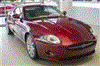
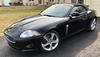
(2008 XKR)
I have the Veepeak hooked up to Car Scanner OBD with the lifetime $10 pro.
Given the coolant leak that seems to be fixed with the double clamp, I watch the coolant temp of course and the battery voltage. Coolant runs 206 max in traffic and 196ish at 45mph+. Seems ok.
Battery runs between 13.2 and 12.9. Which seems lower than when I first started watching which was 13.9v. But still good.
My question is: Is there a single place where I can find what all these values mean and what they should be for my car? Like a nice clean table/excel or something?
Feels like it would help if I knew exactly what I was looking at and the tolerance ranges to know if something is awry.
An example would be that I read an old thread on Short/Long term fuel % trim. That from the factory it is 0% and anything above can indicate a small vacuum leak (From any one of a dozen places). And that the engine corrects for it with Valve timing, which is another value I played with monitoring, but shoots from 0-6.
There are over a dozen numbers I can monitor on the dashboard. Would love to know what they all mean and how it plays into the engine running cycle.
Last edited by Circumnavigator; Sep 6, 2025 at 09:59 AM.
Three-way catalytic converters need the mixture to be constantly driven rich/lean around the stoichiometric ratio (14.7 parts air to one part fuel) in order to work at maximum efficiency.
This oscillation allows the catalyst to store oxygen during slightly rich conditions, which is then used to oxidize carbon monoxide (CO) and hydrocarbons (HC), and to release oxygen during slightly lean conditions, which aids in reducing nitrogen oxides (NOx).
The closed-loop engine control system, using feedback from oxygen sensors, maintains this precise balance to ensure effective conversion of all three pollutants.
Efficiency is significantly reduced if the air-fuel ratio remains consistently rich or lean for extended periods.
Did some AI research myself, and will leave this here for anyone who is curious.
Engine RPM (PID 0C)
Measures crankshaft rotational speed, used for timing fuel injection, ignition, and monitoring engine performance.
0 RPM (engine off); 650-850 RPM at warm idle; up to ~6,500 RPM under load (redline varies by model).
High RPM at idle may indicate vacuum leaks; low may signal stalling issues.
Engine Coolant Temperature (ECT) (PID 05)
NTC thermistor sensors (two on this engine: one in heater manifold, one in lower hose) measure coolant temp for ECM to adjust fuel mixture, ignition timing, and fan operation. Also used for OBD thermostat diagnostics.
-40 to 215°C (-40 to 419°F); normal operating: 80-105°C (176-221°F) after warmup.
Below 80°C may cause rich mixture; above 105°C risks overheating. Faults trigger DTCs like P0116-P0119.
Intake Air Temperature (IAT) (PID 0F)
Part of MAFT sensor; measures incoming air temp for ECM to calculate air density and adjust fuel.
-40 to 215°C (-40 to 419°F); typically close to ambient when engine is cold; rises 10-20°C above ambient under load.
High readings may indicate heat soak or sensor fault.
Mass Air Flow (MAF) (PID 10)
Hot-film sensor in air cleaner outlet measures air mass entering the engine for precise fuel metering.
0-655 g/s; idle: 3-6 g/s; under load: 20-200+ g/s depending on RPM/throttle.
Dirty MAF can cause hesitation; faults disable closed-loop fueling, leading to poor starts/emissions.
Throttle Position (TP) (PID 11 or 45)
Measures throttle plate angle for ECM to control acceleration and idle.
0-100%; closed throttle: 0-5%; wide open: 80-100%.
Erratic values indicate sensor wear or linkage issues.
Manifold Absolute Pressure (MAP) (PID 0B)
Sensor in supercharger inlet measures intake pressure/load for fuel and boost calculations.
20-100 kPa at idle (vacuum); up to 200+ kPa under boost. Fault defaults to 100 kPa.
Low: possible leaks; high: boost issues. Faults cause rough running/poor starts.
Manifold Absolute Pressure and Temperature (MAPT)
Combined sensor on intake manifold measures pressure and temp for refined air-fuel and timing adjustments.
Pressure: similar to MAP; Temp: -40 to 150°C (-40 to 302°F).
Affects throttle response; faults trigger DTCs like P0105-P0109.
Intake Manifold Vacuum
Derived from MAP; indicates engine load, leaks, or valve timing issues.
51-74 kPa (15-22 in-Hg) at sea-level idle; adjust -4 kPa per 1,000 ft altitude.
Steady low: leaks or worn components; fluctuating: valve/misfire problems.
Oxygen (O2) Sensors - Upstream (Wideband) Banks 1 & 2 (PIDs 34 & 38)
Wide-range sensors measure exhaust oxygen for air-fuel ratio feedback (equivalence ratio and current). Bank 1: driver side; Bank 2: passenger side.
Equivalence ratio: ~1.0 (stoichiometric); Current: -128 to 127 mA; idle/off: around -60 mA.
Switches rapidly in closed loop; faults cause open-loop mode and DTCs like P0130-P0167.
Oxygen (O2) Sensors - Downstream (Narrowband) (PIDs 14-1B)
Post-catalyst sensors monitor converter efficiency via voltage.
0-1V; oscillates 0.1-0.9V in closed loop.
Slow response indicates catalyst degradation.
Fuel Trim - Short Term (STFT) & Long Term (LTFT) Banks 1 & 2 (PIDs 06-09)
ECM adjustments to fuel mixture: STFT for immediate corrections; LTFT for learned trends.
-25% to +25%; ideal near 0%; up to ±10% acceptable if banks match. Positive: lean condition (add fuel); Negative: rich (reduce fuel).
±10-20%: check leaks/injectors; >20%: DTCs likely. Symptoms: poor economy/emissions.
Fuel Rail Pressure (FRP) (PID 22 or enhanced)
Measures high-pressure fuel delivery to injectors.
Varies; stable at ~300-400 kPa idle, higher under load.
Instability causes idle issues/hesitation; faults trigger DTCs like P0190-P0194.
Engine Oil Pressure
Variable reluctance sensor measures lubrication pressure.
Idle (warm): ~2 bar (29 psi); 3,000 RPM (hot): 4-6 bar (58-87 psi).
Low: wear or pump issues; triggers warning light/DTCs.
Engine Oil Temperature (enhanced PID, e.g., 5C or 44)
Measures oil temp for viscosity and protection monitoring.
-40 to 160°C (-40 to 320°F); normal: 90-120°C (194-248°F).
High: overheating risk; not always standard PID.
Engine Oil Level
Capacitive sensor in sump monitors oil quantity.
50-100% (no top-up needed); below 50%: add oil incrementally.
Faults display "OIL LEVEL MONITOR SYSTEM FAULT"; accuracy ±2-4 mm.
Crankshaft Position (CKP) (derived from RPM)
Inductive sensor tracks crankshaft speed/position via reluctor wheel for timing.
Speed bands for misfire detection: 1,800-5,400 RPM.
Faults limit RPM to 3,000; long crank times.
Camshaft Position (CMP) Banks 1 & 2 (PIDs 0C-related enhanced)
Magnetic sensors track cam timing for VCT (variable cam timing) and ignition.
Digital signal; synced to CKP.
Faults disable VCT, default to base timing.
Knock Sensors (KS) (enhanced)
Piezo sensors detect detonation ("pinging") for ignition retard.
Signal compared to ECM maps; no direct voltage readout in standard live data.
Faults cause performance loss without MIL.
Transmission Fluid Temperature (enhanced PID 11BD)
Measures auto trans fluid temp for shift control (not strictly engine, but often monitored).
-50 to 200°C (-58 to 392°F); normal: 60-100°C (140-212°F).
High: slipping/overheat risk.
Did some AI research myself, and will leave this here for anyone who is curious.
Engine RPM (PID 0C)
Measures crankshaft rotational speed, used for timing fuel injection, ignition, and monitoring engine performance.
0 RPM (engine off); 650-850 RPM at warm idle; up to ~6,500 RPM under load (redline varies by model).
High RPM at idle may indicate vacuum leaks; low may signal stalling issues.
Engine Coolant Temperature (ECT) (PID 05)
NTC thermistor sensors (two on this engine: one in heater manifold, one in lower hose) measure coolant temp for ECM to adjust fuel mixture, ignition timing, and fan operation. Also used for OBD thermostat diagnostics.
-40 to 215°C (-40 to 419°F); normal operating: 80-105°C (176-221°F) after warmup.
Below 80°C may cause rich mixture; above 105°C risks overheating. Faults trigger DTCs like P0116-P0119.
Intake Air Temperature (IAT) (PID 0F)
Part of MAFT sensor; measures incoming air temp for ECM to calculate air density and adjust fuel.
-40 to 215°C (-40 to 419°F); typically close to ambient when engine is cold; rises 10-20°C above ambient under load.
High readings may indicate heat soak or sensor fault.
Mass Air Flow (MAF) (PID 10)
Hot-film sensor in air cleaner outlet measures air mass entering the engine for precise fuel metering.
0-655 g/s; idle: 3-6 g/s; under load: 20-200+ g/s depending on RPM/throttle.
Dirty MAF can cause hesitation; faults disable closed-loop fueling, leading to poor starts/emissions.
Throttle Position (TP) (PID 11 or 45)
Measures throttle plate angle for ECM to control acceleration and idle.
0-100%; closed throttle: 0-5%; wide open: 80-100%.
Erratic values indicate sensor wear or linkage issues.
Manifold Absolute Pressure (MAP) (PID 0B)
Sensor in supercharger inlet measures intake pressure/load for fuel and boost calculations.
20-100 kPa at idle (vacuum); up to 200+ kPa under boost. Fault defaults to 100 kPa.
Low: possible leaks; high: boost issues. Faults cause rough running/poor starts.
Manifold Absolute Pressure and Temperature (MAPT)
Combined sensor on intake manifold measures pressure and temp for refined air-fuel and timing adjustments.
Pressure: similar to MAP; Temp: -40 to 150°C (-40 to 302°F).
Affects throttle response; faults trigger DTCs like P0105-P0109.
Intake Manifold Vacuum
Derived from MAP; indicates engine load, leaks, or valve timing issues.
51-74 kPa (15-22 in-Hg) at sea-level idle; adjust -4 kPa per 1,000 ft altitude.
Steady low: leaks or worn components; fluctuating: valve/misfire problems.
Oxygen (O2) Sensors - Upstream (Wideband) Banks 1 & 2 (PIDs 34 & 38)
Wide-range sensors measure exhaust oxygen for air-fuel ratio feedback (equivalence ratio and current). Bank 1: driver side; Bank 2: passenger side.
Equivalence ratio: ~1.0 (stoichiometric); Current: -128 to 127 mA; idle/off: around -60 mA.
Switches rapidly in closed loop; faults cause open-loop mode and DTCs like P0130-P0167.
Oxygen (O2) Sensors - Downstream (Narrowband) (PIDs 14-1B)
Post-catalyst sensors monitor converter efficiency via voltage.
0-1V; oscillates 0.1-0.9V in closed loop.
Slow response indicates catalyst degradation.
Fuel Trim - Short Term (STFT) & Long Term (LTFT) Banks 1 & 2 (PIDs 06-09)
ECM adjustments to fuel mixture: STFT for immediate corrections; LTFT for learned trends.
-25% to +25%; ideal near 0%; up to ±10% acceptable if banks match. Positive: lean condition (add fuel); Negative: rich (reduce fuel).
±10-20%: check leaks/injectors; >20%: DTCs likely. Symptoms: poor economy/emissions.
Fuel Rail Pressure (FRP) (PID 22 or enhanced)
Measures high-pressure fuel delivery to injectors.
Varies; stable at ~300-400 kPa idle, higher under load.
Instability causes idle issues/hesitation; faults trigger DTCs like P0190-P0194.
Engine Oil Pressure
Variable reluctance sensor measures lubrication pressure.
Idle (warm): ~2 bar (29 psi); 3,000 RPM (hot): 4-6 bar (58-87 psi).
Low: wear or pump issues; triggers warning light/DTCs.
Engine Oil Temperature (enhanced PID, e.g., 5C or 44)
Measures oil temp for viscosity and protection monitoring.
-40 to 160°C (-40 to 320°F); normal: 90-120°C (194-248°F).
High: overheating risk; not always standard PID.
Engine Oil Level
Capacitive sensor in sump monitors oil quantity.
50-100% (no top-up needed); below 50%: add oil incrementally.
Faults display "OIL LEVEL MONITOR SYSTEM FAULT"; accuracy ±2-4 mm.
Crankshaft Position (CKP) (derived from RPM)
Inductive sensor tracks crankshaft speed/position via reluctor wheel for timing.
Speed bands for misfire detection: 1,800-5,400 RPM.
Faults limit RPM to 3,000; long crank times.
Camshaft Position (CMP) Banks 1 & 2 (PIDs 0C-related enhanced)
Magnetic sensors track cam timing for VCT (variable cam timing) and ignition.
Digital signal; synced to CKP.
Faults disable VCT, default to base timing.
Knock Sensors (KS) (enhanced)
Piezo sensors detect detonation ("pinging") for ignition retard.
Signal compared to ECM maps; no direct voltage readout in standard live data.
Faults cause performance loss without MIL.
Transmission Fluid Temperature (enhanced PID 11BD)
Measures auto trans fluid temp for shift control (not strictly engine, but often monitored).
-50 to 200°C (-58 to 392°F); normal: 60-100°C (140-212°F).
High: slipping/overheat risk.
Its dangerous relying upon AI for information - if you want tech details from a Jag get it from a Forum
I have been spending a number of years understanding fuel trims and making sense of it all and for the Jag at least mine - the long term fuel trims should less than plus / minus 5 perent - this is a 2008 XKR-S (4.2)
Short term will fluctuate wildly but you are better off looking at long term trims as they better reflect the condition of the engine
Any long term trims over plus/minus 10 percent wont trip a EML but reflect a very poorly Engine
Because its a V8 both banks should be approx the same which is at least one thing that makes these engines a bit easier to diagnose -
Its dangerous relying upon AI for information - if you want tech details from a Jag get it from a Forum
I have been spending a number of years understanding fuel trims and making sense of it all and for the Jag at least mine - the long term fuel trims should less than plus / minus 5 perent - this is a 2008 XKR-S (4.2)
Short term will fluctuate wildly but you are better off looking at long term trims as they better reflect the condition of the engine
Any long term trims over plus/minus 10 percent wont trip a EML but reflect a very poorly Engine
Becasue its a V8 both banks should be approx the same which is at least one thing that makes these engines a bit easier to diagnose -
Thanks, LTFT is what I have in my OBD dashboard along with of course coolant temp and battery.
At idle I’m almost always at 0. Highest I’ve seen it spike is 6, but rarely. Usually <1.
I agree pulling from say ChatGPT or others is sketch.
I have my own AI model and the first thing it does is scan this and the UK Jag forum, then the 4000 page service manual, training manuals, TSBs and other docs I’ve found and uploaded.
When it is critical, I’ll then manually compare to forum threads.
For this thread, which the AI cannot do, I was looking for what folks think are the most critical to monitor.
Well, and to learn.
I have 3 screens with 3 gauges allowed on each in this app. But not knowing what means what to the system as a whole, was hard to choose.
I did read an incredible write-up, in two parts, on Trim on the jagrepair.com website after this post.
Learned a ton!
Thanks, LTFT is what I have in my OBD dashboard along with of course coolant temp and battery.
At idle I’m almost always at 0. Highest I’ve seen it spike is 6, but rarely. Usually <1.
I agree pulling from say ChatGPT or others is sketch.
I have my own AI model and the first thing it does is scan this and the UK Jag forum, then the 4000 page service manual, training manuals, TSBs and other docs I’ve found and uploaded.
When it is critical, I’ll then manually compare to forum threads.
For this thread, which the AI cannot do, I was looking for what folks think are the most critical to monitor.
Well, and to learn.
I have 3 screens with 3 gauges allowed on each in this app. But not knowing what means what to the system as a whole, was hard to choose.
I did read an incredible write-up, in two parts, on Trim on the jagrepair.com website after this post.
Learned a ton!
These are LT trims on mine, anything in or around 5 percent or less is very good for an engine this old - at idle mine were 0 percent the last time I checked
These are LT trims on mine, anything in or around 5 percent or less is very good for an engine this old - at idle mine were 0 percent the last time I checked





 All these OBD Dashboard Numbers.