When you click on links to various merchants on this site and make a purchase, this can result in this site earning a commission. Affiliate programs and affiliations include, but are not limited to, the eBay Partner Network.
I've just acquired a 2001 XK8. It has the variable valve timing. It seems that mostly the point is to meet emission standards. My experience with such gimmicks (in '70s muscle cars) are they usually cause a motor to run rough and hot. So is VVT a good thing for us? Or would it be advantageous to defeat it? And would I be treading on a minefield?
Overall VVT on our engines is a good thing. Go to the internet and search on "VVT explained" and you will find that it is good for more than just emissions.
Disabling/fixing VVT has been discussed many times on the forum. Search on VVT and you will find numerous discussions.
Well VVT wouldn’t be in the car if it wasn’t a good thing.
The XK8 uses oil pressure and a solenoid to regulate cam timing to advance/retard timing. It greatly improves engine performance and efficiency at little cost. If engine performance and/or efficiency isn’t your priority, then go ahead and bypass it. However be prepared if the car starts giving you due warnings.
I will indeed research and tread very carefully. I want to know exactly what conditions cause the transition from retard to advance. On muscle cars the spark was retarded at idle to reduce emissions. But that made the engine run rough and hot. We would defeat it (it was just a solenoid on the distributor) and everything was better.
I will indeed research and tread very carefully. I want to know exactly what conditions cause the transition from retard to advance. On muscle cars the spark was retarded at idle to reduce emissions. But that made the engine run rough and hot. We would defeat it (it was just a solenoid on the distributor) and everything was better.
Things have moved on a LOT. What on earth are you trying to do? What problems do you think you have and think you need to solve?
Don't rush to "defeat" things unless you want grief, reduced performance, limp mode, etc.
VVT compensates for the different air flow characteristics at varying RPMs. a great deal of its function creates the same effect as variable length intake runners without the extra plumbing and valving required for such. it can also control for excess air in the combustion chamber to prevent formation of NOx. in many cases it is so effective as to eliminate the requirement to have an EGR valve on a normally aspirated engine. without VVT one would have an engine that is very rough and undrivable at low RPM. ever hear an engine built for high RPM performance like a drag car. it sounds terrible at idle as the cam timing and usually intake is all for the upper band. VVT is like having two intakes and cams in the same engine. one does not have to make compromises to have a usable engine over the entire RPM band as was the case in the past.
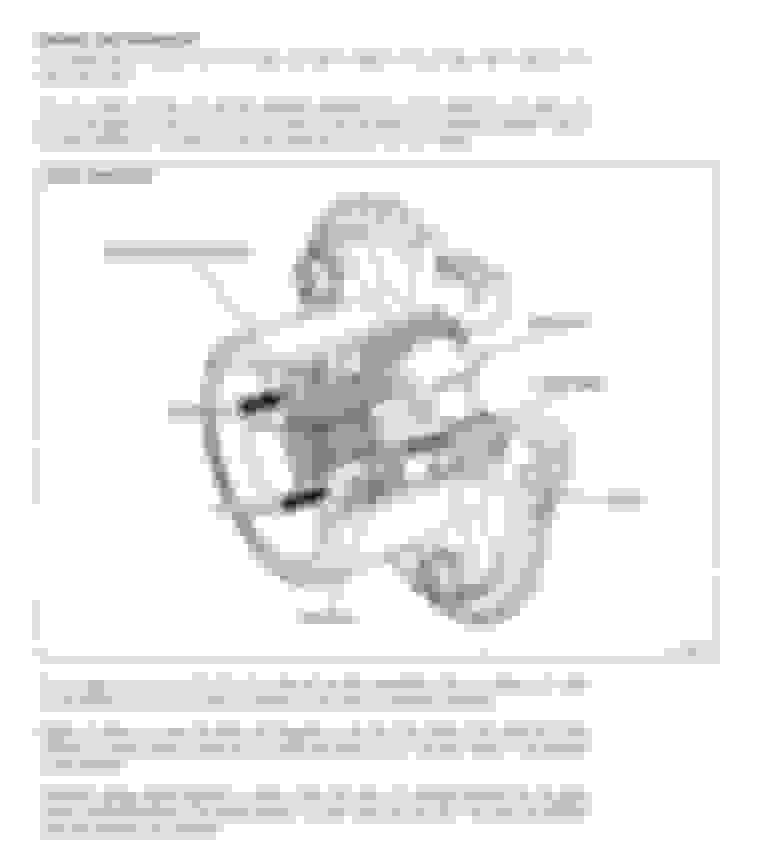
There's a lot of info on the Stickies threads and below are excerpts from the AJV8 engine guide, which explains how the VVT is implemented in our Jags. It's all above advancing and retarding the timing on the intake cam.
As JagV8 asked, what are you trying to achieve?
Mad Hatter - If my 99 XK8 sounded like that loping Sprintcar at idle, I would be very worried! Hehe! But to each his own.
VVT is like having two intakes and cams in the same engine. one does not have to make compromises to have a usable engine over the entire RPM band as was the case in the past.
A 'performance' engine that is usable in the supermarket car park.
VVT solenoid controls the oil pressure to the VVT unit
Bladerunner,
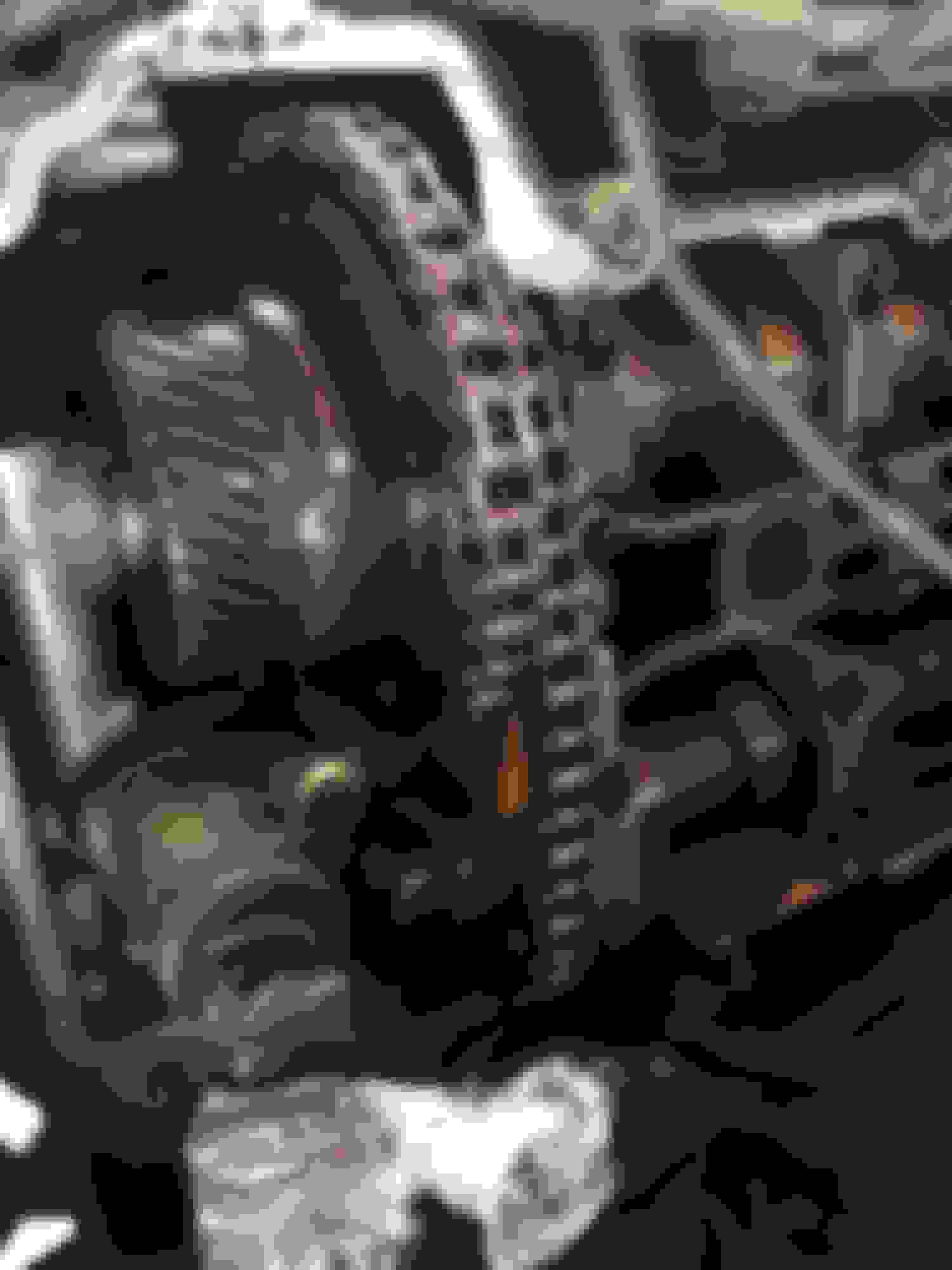
Maybe a bit of confusion about the location/purpose of the solenoid. Here's a real life picture of my AJ-27 which shows the VVT solenoid, VVT unit, chains and the intake cam which can be compared to the figures from the Engine Guide.
Note that the intake cam is not directly connected to the tooth gear wheel for the timing chains. This "connection" is controlled by the VVT unit. Best I can explain it, is that the EEC uses a VVT solenoid which controls engine oil pressure entering the VVT unit which in turn uses a heavy springs to advance/retard the connection between the timing chains and the intake cam.
What i think the OP, of this thread, is thinking is either removing the VVT unit entirely and/or locking down the cam connection so the advance/retard timing is locked to one setting.
Maybe a bit of confusion about the location/purpose of the solenoid. Here's a real life picture of my AJ-27 which shows the VVT solenoid, VVT unit, chains and the intake cam which can be compared to the figures from the Engine Guide.
I was referring to post 4, where the OP mentioned a solenoid on the distributor.
I will indeed research and tread very carefully. I want to know exactly what conditions cause the transition from retard to advance. On muscle cars the spark was retarded at idle to reduce emissions. But that made the engine run rough and hot. We would defeat it (it was just a solenoid on the distributor) and everything was better.
Yeah - never heard of this one before. In the old style distributors didn't you just turn the cap clockwise or anti/counter clockwise to retard or advance the timing. Never heard of using a solenoid to advance it.
my early nineties Honda Accord EX had an extra, longer intake runner that was isolated by valves from the intake circuit. it would only open during higher RPM. they had not yet implemented VVT. my 2001 Honda CRV does not require an EGR because it has enough engine compartment and bonnet clearance for a tuned intake runner. it does not have a VVT system either. a lot of things can be achieved by air flow modification. it would be nice if some type of tuned intake manifold was developed for these cars as is done with the Japanese models where all electronics and even the throttle body are retained on the new manifold.
the old style distributors often had two advance systems, occasionally a retarding system. there were weights that responded to centrifugal force to advance the timing and a vacuum advance system or occasionally retarding system.
Yeah - never heard of this one before. In the old style distributors didn't you just turn the cap clockwise or anti/counter clockwise to retard or advance the timing. Never heard of using a solenoid to advance it.
In my 70 Charger there was a solenoid on the distributor that would retard the spark at idle to reduce emissions. But it made the engine run rough and hot. So I disconnected it and the engine was happy. Those years were dark ones for rodders as the govt was forcing carmakers to reduce emissions, and the carmakers were rushing all kinds of patchwork fixes.
Thanks to all respondents for the good info. Jag's VVT seems to be a good thing for performance as well as emissions. I see that the ECM decides which setting is used (there are just 2 positions for my 2001 XK8). What I'd like to know now is what information does the ECM use to make its decision. Is it just RPM, or engine load (MAP) or is there an algorithm that incorporates other parameters? This is getting very technical I know, but I have the engineers curse of wanting to know the how and why of everything.
my early nineties Honda Accord EX had an extra, longer intake runner that was isolated by valves from the intake circuit. it would only open during higher RPM. they had not yet implemented VVT.
BMW had a similar thing, called a DISA valve - I have a Z3 that has one and it switches the airflow between a long and short intake route.
I see that the ECM decides which setting is used (there are just 2 positions for my 2001 XK8). What I'd like to know now is what information does the ECM use to make its decision. Is it just RPM, or engine load (MAP) or is there an algorithm that incorporates other parameters?
The 'on/off' VVT of the early cars was enhanced to continuously variable with the intro of the AJ27 motor in the 99MY.
The Jaguar SERVICE TRAINING COURSE 881 gives a good description, and a comparison between the two systems. ECM decisions based on engine load/speed.
It's available on member Gus' website here: http://www.jagrepair.com/images/Trai...ual-9-5-01.pdf
I’ve learned a lot from this thread and all the forum members’ Considerable experiences. I thought I knew a lot but this is proof there’s always more you can learn.
It may be historical in the different approaches on how engineers tackled the problem, but I’m like the OP in that I like to know how things work.
Nowadays it’s all computer controlled, a black box that processes data and sends signals to change things. The weights on the distributor internals is clever to adjust springs and advance timing of the points & spark. Changing the air route longer/shorter is another way. All this on a NA engine. The supercharged AJV8 engine does away with VVT altogether.



 VVT: good thing?