


Model Information


Thread Starter
|
Junior Member
Joined: Dec 2016
Posts: 20
Likes: 0
From: Western NC
 Model Information
Hello, I am new to Jaguars and would like some more info on the models from 2000-2004. I have an old 1984 XJ6 that I am working on but really like the looks of those XJR models. Can someone give me a brief rundown of the models in the early 2000's? I see XJ, XJR, XJ 8, XJ L etc and not sure what the differences are.

Veteran Member


Joined: May 2009
Posts: 27,527
Likes: 4,912
From: Yorkshire, England
This site has other sub-forums for those years: XJ XJ6 / XJ8 / XJR ( X350 & X358 ) - Jaguar Forums - Jaguar Enthusiasts Forum and XJ XJ8 / XJR ( X308 ) - Jaguar Forums - Jaguar Enthusiasts Forum



Joined: Dec 2011
Posts: 120,439
Likes: 17,009
From: Durham, UK
Basically it's 2 body styles:
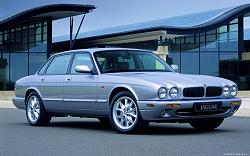
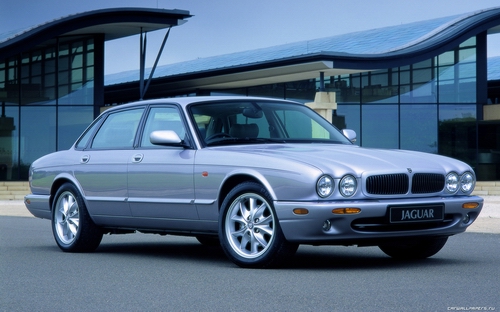
1997-2003 : X308 steel bodied with V8 normally aspirated or supercharged engine.
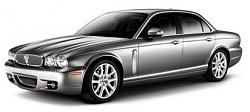
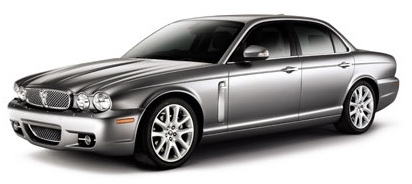
2003-2008 : X350 aluminium bodied with 6 or 8 cylinder N/A and S/C engines.
Beyond that there's a lot of options in trim, wheels etc as well as Model Year updates for both X308 and X350.
Graham
1997-2003 : X308 steel bodied with V8 normally aspirated or supercharged engine.
2003-2008 : X350 aluminium bodied with 6 or 8 cylinder N/A and S/C engines.
Beyond that there's a lot of options in trim, wheels etc as well as Model Year updates for both X308 and X350.
Graham
Thread Starter
|
Junior Member
Joined: Dec 2016
Posts: 20
Likes: 0
From: Western NC
Thanks so much! I was wondering about the x308 and x350 numbers. I think some of the XJR's had a straight 6 - Is that correct? If yes, which engine gives the least problems, the V8 or the 6?
Joined: Dec 2011
Posts: 120,439
Likes: 17,009
From: Durham, UK
The factory and Dealers use the 'X' codes to distinguish between the models - very useful when for example Jaguar badged four completely different models between 1969 and 2009 as as XJ6. We use the codes on the forum for the same reason.
The six cylinders are generally accepted to be bomb proof and give little trouble. Early V8's had issues with plastic timing chain tensioners which can often be an engine killer but this was finally resolved with the intoduction of the 4.2 litre version with steel tensioners.
Graham

Veteran Member
Joined: Dec 2009
Posts: 9,548
Likes: 2,548
From: Crewe, England
Just to say you've posted in the forum for the current XJ, that looks a bit like a Jaguar XF with some air pumped in.OK, it looks elegant enough but it totally different to the style established by Sir William Lyons personally in 1968
First XJRs were the X300 series of XJs with the straight six "AJ" engine, then later the X308s with the V8. These aluminium engines are generally considered bullet-proof but can suffer the ocasional head gasket failure, but this is very uncommon.
The 3.2 and 4 litre V8s had trouble with the timing chain tensioners for the exhaust cam chains, but also up to about 2000 with Nikasil cylinder coatings. Later engines used steel liners. Eventually a metal-bodied cam chain tensioner was made available and can be retrofitted to engines with plastic ones. A large number of early Nikasil-linered V8 engines failed in warranty and were swapped out to steel-linered engines. Later V8s went to 4.2 litres and the cam chain tensioner issue disappeared at that point.
First XJRs were the X300 series of XJs with the straight six "AJ" engine, then later the X308s with the V8. These aluminium engines are generally considered bullet-proof but can suffer the ocasional head gasket failure, but this is very uncommon.
The 3.2 and 4 litre V8s had trouble with the timing chain tensioners for the exhaust cam chains, but also up to about 2000 with Nikasil cylinder coatings. Later engines used steel liners. Eventually a metal-bodied cam chain tensioner was made available and can be retrofitted to engines with plastic ones. A large number of early Nikasil-linered V8 engines failed in warranty and were swapped out to steel-linered engines. Later V8s went to 4.2 litres and the cam chain tensioner issue disappeared at that point.
Thread Starter
|
Junior Member
Joined: Dec 2016
Posts: 20
Likes: 0
From: Western NC
Hello Jaguar lovers, I am planning to look at a 2000 XJR. about 90k miles. Anything I should know about this year/model and what to look for?
Trending Topics
Veteran Member
Joined: Dec 2009
Posts: 9,548
Likes: 2,548
From: Crewe, England
Nikasil issue was dealt with before year 2000, but the upper timing chain issue wasn't and needs to have been done sometime between then and now. So check if these have been replaced.