When you click on links to various merchants on this site and make a purchase, this can result in this site earning a commission. Affiliate programs and affiliations include, but are not limited to, the eBay Partner Network.
This is maddeningly intermittent, but very inconvenient when it does occur.
Symtom: Solenoid clicks but engine does not turn over. Return after a couple hours, solenoid again clicks, no crank. Retry, and engine starts as normal!
At least once, the car has exhibited the first-try-no-start COLD, but then started normally on second try. I had suspected a bad main ground strap connection, so I put in a redundant one through a 5A fuse. The click-no-start condition occurred cold, the fuse did not blow, so the engine ground would appear to be fine.
The two times the car was disabled were when I took the car in to get the Solar wheels checked for bends in August and the tech couldn't move it into the shop, then tonight after grocery shopping. The wheel tech plugged in my 4Amp maintainer for a few hours. When I arrived, it did the click once and started second try. Similar story tonight, but I was able to note voltages. Dash gauge was above the 11v hash, ECU (through ELM327) reported 12.1v (in run) down to 11.2v or so with key in crank position. When I came back to the car a couple hours later with multimeter, jumpers, and a booster vehicle, I got 12.6v. Click-no-start once, then started normally, no need for a boost.
I believe the starter was replaced under a previous owner's, um, conservatorship. Any bright ideas, common trouble areas I need to look at?
Recently a V 12 X305 found the wire from the starter solenoid relay to the solenoid small wire was loose to the side of the 2 big power cables
This would be the white wire next to the 2 large power cables on the starter solenoid
Your description mimics a marginal solenoid wire connection or the relay starting to fail as a easier try then removing the starter assembly to replace the solenoid attached
On your battery draining voltage observation rotate the steering column control switch to off
Your 12.1 volt with key in run position indicates a loose terminal connection though the many points of the battery cable connections from the alternator to the battery
Might as well check to ensure the 2 / 13 mm terminal nuts on the starter solenoid are tight
Last edited by Parker 7; Oct 28, 2022 at 12:21 AM.
The smaller white wire to close the starter solenoid passes through a connector between the relay and the solenoid, check for corrosion
The fuse that powers the control side of the starter solenoid relay is # 12 right engine bay fuse box ( ignition positive relay in the corner ) this relay can be swapped with the left engine bay fuse box relay as it in reality only runs the car horn
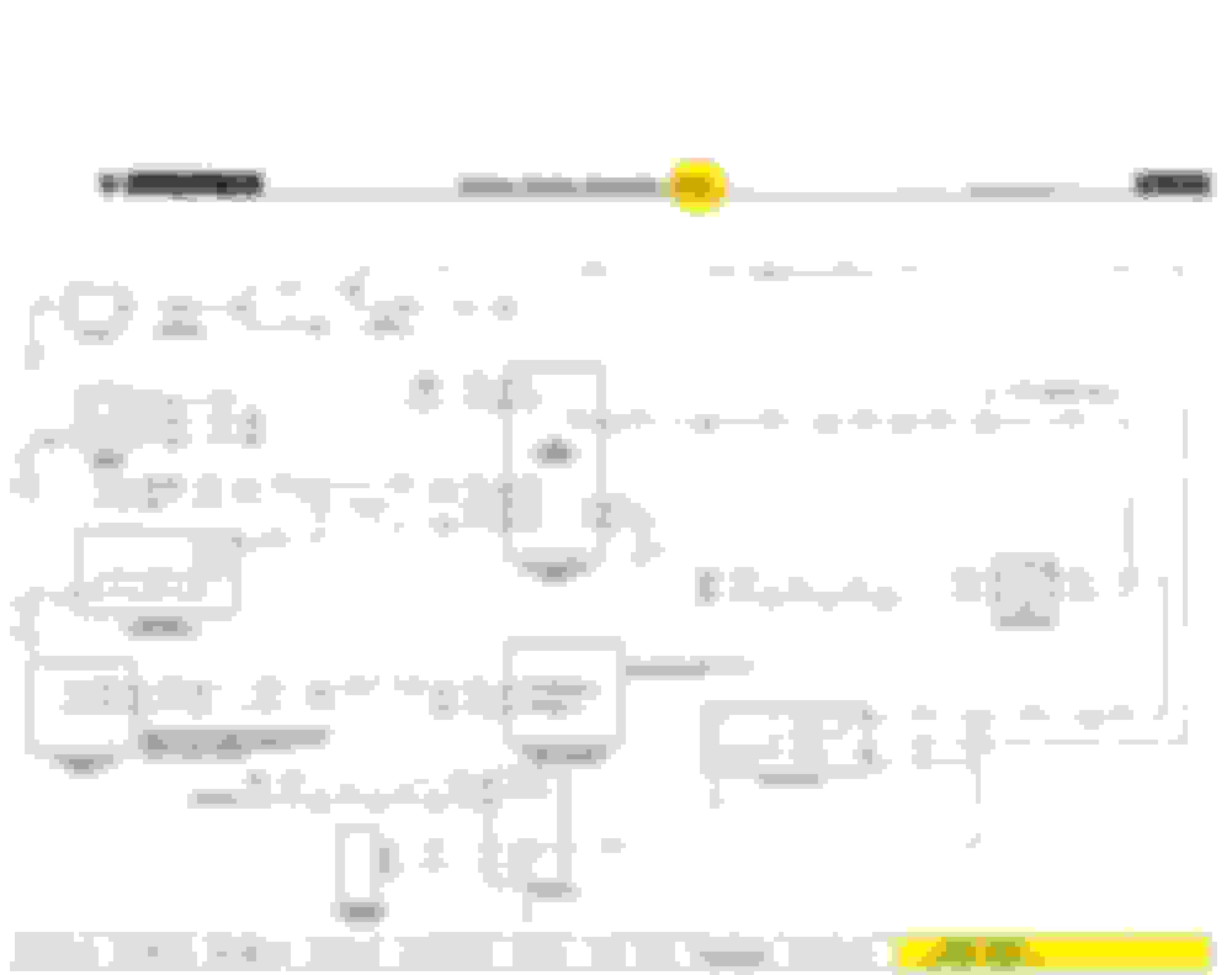
This is point 32 double hash circle in the pic below
The fuse # 10 , 12 , 14 , and 16 relies on the relay in the corner to close for all fuse boxes , the rest of the fuses bypass the corner relay inside the fuse boxes and are hot at all times
This ignition positive relay requires that the ignition switch provide a command to close ground path through the ignition switch
This car frame ground stud can get disturbed under the dash as well as the ignition switch connector can get fluid intrusion / corrosion ( what I found on mine )
So you have 3 relays that must close , ignition positive relay , starter solenoid relay and the starter solenoid which is a high-power battery cable relay
Last edited by Parker 7; Oct 28, 2022 at 03:14 AM.
The common factor of the possible ignition positive relay not closing and the battery parasitic drain is the ignition switch pin 5 which is a car frame ground under the dash
The pic below is the switch side of the connector , the switch itself does not need to be removed
the car side of the connector is clipped to the dash and unclips by pulling up so the connector can come out to you and worked with easier
The pin 5 wire color is Black
Last edited by Parker 7; Oct 28, 2022 at 03:02 AM.
I hate getting under this car, perhaps because I have a jack and stands that I bought when I had a Miata, but I'm glad I did. I found a torn steering rack boot, a weary driveshaft center bearing, and a complete absence of trans mount bushing.
I already have a new center bearing. Trans mount and bellows are on order.
The main terminal on the solenoid did have the appearance of a bit of the green crusties under the bottom star washer.
I was able to loosen the nut, blast it with some electric parts cleaner, and scrub it with a wire brush. The alternator wasn't as cooperative. I was only able to wiggle the nut on the main terminal a bit. I'll watch to see if any improvement accrues and will report back here.
I got my trans mount bush in. The bolt is a T50, not T47 as I had read. No need to take out the whole bracket/pan, I just jacked up the transmission and shoved the foam bushing in with a flat screwdriver.
I haven't yet driven it, because the steering boots I received are wrong.
It did it again this week. Just a click-no-crank once, in my garage. I was a little concerned about it getting beached at the grocery store again, but I took it out anyway and it started right back up for the return trip.
Maybe I do need to start starter shopping.
The click sound can come from different relay sources
You have to place your finger on the starter solenoid relay to know for sure to split your issue in half , one half being in the starter assembly and it's wire connections tight
If you do get a click on the starter solenoid relay it confirms you have all agreements / enables for starter
Did you have the red park light ?
There is a large 48 pin connector above the fuel tank that should have a tie wrap on the lock over bar , if you remove the connector, it can be very troublesome to reconnect
The Body Processor Module is powered by a fuse in the trunk in which the fuse is hot at all times and passes through this large connector on the way to the glove box area
If the starter solenoid mounted on the starter motor is clicking it is getting the correct command from the starter solenoid relay
Swapped the starter solenoid relay as it may have burnt / compromised current limiting contacts inside the relay ?
Wire connections secure on the starter ?
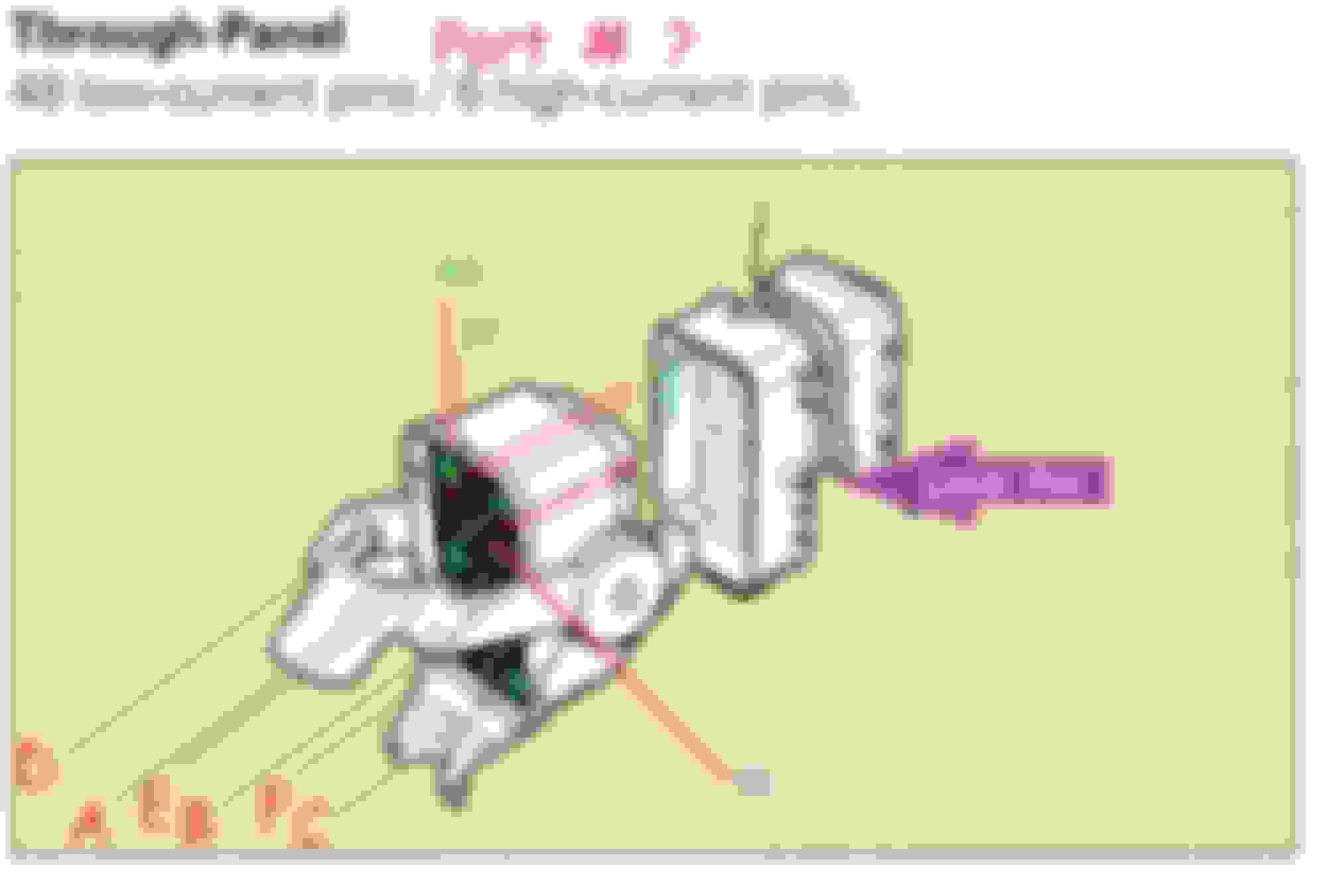
N.Bath I think recently found the White color control wire at the starter solenoid loose , this would be point ST1 as the small slotted screw in the below pic
You have 2 connectors on the White wire that could be corroded limiting the current to be able to close the solenoid well enough to turn the starter motor
If the battery cable power does not have enough umf to rotate the starter you can have a loose terminal post on the right quarter panel inter wheel well arch , this would include a couple of terminal post all the way back to the battery
This includes the terminal post under the rear seat pan which is different then the right heelboard fuse box at your heels
Battery fuses just fwd of the battery positive post tight ?
Do not over tighten the battery positive post as will break the nut in half underneath , ask me how I know
You might consider a battery shim on the stretched out positive battery post clamp
You could have a open cell on your battery as the cells are in series to not deliver the umf
You won't see the battery after the engine is started and the alternator is spinning
You might notice on the instument gauge the voltage with the key in the run position before the start position or starting the engine
The instrument gauge is very accurate
If you see good voltage turn on the cabin blowers and compare your instrument voltage reading as power is drawn strickly from the battery
this also test the battery cable run through the terminal posts but only up until the ...............................
Left and right heelboard fuse box large terminal post so this covers the battery positive post fuses and the terminal post under the rear seat pan
You will see this in the pic on the above post # 7
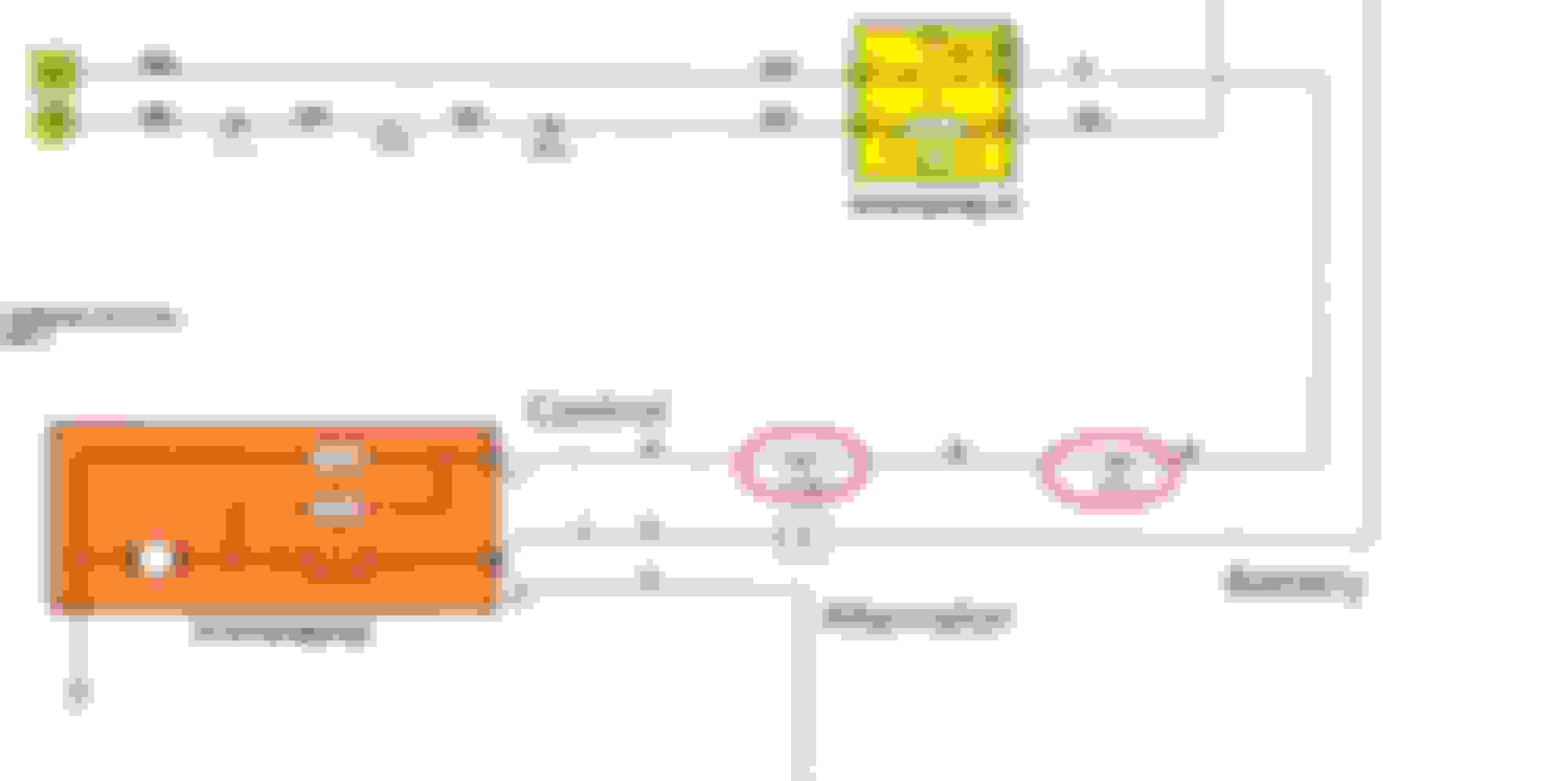
above the large yellow rectangle is the battery cable terminal post ( ST5 to ST3 ) in the right front wheel well very close to the rear engine compartment firewall
above the large yellow rectangle is the battery cable terminal post ( ST5 to ST3 ) in the right front wheel well very close to the rear engine compartment firewall
My car has been beached in my garage for the past few days with this no-start condition. Today I took a look at the firewall terminal posts (which have 13mm nuts, btw). They were kinda crusty, so I took them apart and went at them with a wire brush. I took 'before' pics.
Right:
Left:
Center (the one that serves the starter, with top nut already removed):
After cleaning them up, I can report that the car now turns over. After some spotty rain clears up, I'll take the car for a drive to confirm and report back here. Many thanks again, Parker 7.
I have had several 'no crank' events with my car over the last fifteen years and after cleaning all the assorted electrical connections, the power cable from alternator to the battery, all the earthing points, the various relays in the starting circuit and the cable from the crank relay behind the LHS headlight to the start solenoid I think I have fixed the problem. There is a connector in the last mentioned cable more or less underneath the RHS throttle body which is easy to overlook but this also needs to be clean and secure.
These connector problems were exacerbated after I moved close to the coast and into a salty air environment. I have cleaned and lubed all the cconnectors mentioned above so fingers crossed I have achieved a long term fix. I have never had any problem with the car's electronics as such.
Well, my problem continues to be frustratingly intermittent. I started up and drove several miles to my destination, stopped for an hour, restarted and returned normally. After arriving home and shutting down, I decided I should just be extra sure it was all fixed. The car would not restart.
Originally Posted by watto700
There is a connector in the last mentioned cable more or less underneath the RHS throttle body which is easy to overlook but this also needs to be clean and secure.
I assume the solenoid wiring is adequate because the thing clicks loudly in the crank position.
My problem was similar to yours in that I could hear the starter solenoid click but the starter would not engage. I could tap the top of the starter motor with a long socket extension and then the starter would engage and the engine would start indicating that at times there was not enough battery current to pull the starter solenoid in with enough force to make a good enough contact to crank the engine.. I checked the battery voltage at the battery and it was good but when I checked at the starter it was several volts less indicating at least one poor connection in the battery cable.
The battery cable goes from the battery to the alternator with several bolted up connectors along the way and they all need to be clean and tight. Firstly at the battery both cables need to be checked and at the +ve post there is a hi amp fuse box with two fuses inside, all the fittings inside need to be clean and tight. Secondly, the next connector is under the rear seat on the RHS, again more fuses and cables which need to be clean and tight. Thirdly is the connector on the firewall in the RHS footwell, again clean and tight and fourthly under the bonnet/ hood the connectors on the starter and the alternator need attention. In my case after I had cleaned and tightened all these connections there was no voltage drop over the length of the battery cable and the engine reliably started. Having a secure cable also helped with battery charging which had also been an issue.
In that case I’d say that the starter solenoid hi current contacts are burnt and eroded and definitely not making a good connection.
Depending on which type of starter you have you might be able to remove the starter solenoid and overhaul it without removing the whole starter. The starter in my car is one of those compact geared starters and the only way to overhaul any of it is to remove it which is a real challenge.
Have you done a voltage check firstly at the battery and then at the centre positive stud? If you have and the reading at the centre stud is lower than at the battery then you almost certainly have a dodgy connection somewhere along the battery cable.
When I checked my battery cable years ago most of the bolted up connections were not much more that finger tight and the three terminal studs under the bonnet/hood likewise were not tight and also corroded from moisture ingress.
Also worth checking is the engine earth lead which goes from the transmission bell housing to the car body on the LHS down below the aux coolant pump.



 Hot (re)start issue; click, no-crank

















 After some spotty rain clears up, I'll take the car for a drive to confirm and report back here. Many thanks again, Parker 7.


