When you click on links to various merchants on this site and make a purchase, this can result in this site earning a commission. Affiliate programs and affiliations include, but are not limited to, the eBay Partner Network.
John raises excellent points. Don't discount any of the possible causes of P0300. P1313 and P1314 just mean the misfires are so consistent that catalyst damage will occur. The root cause is misfires. In my experience, the GEMS EMS is not good at identifying specific cylinder misfires, unfortunately
Did you find any damaged insulation on the coil wiring?
Is it possible your fuel has become contaminated with water?
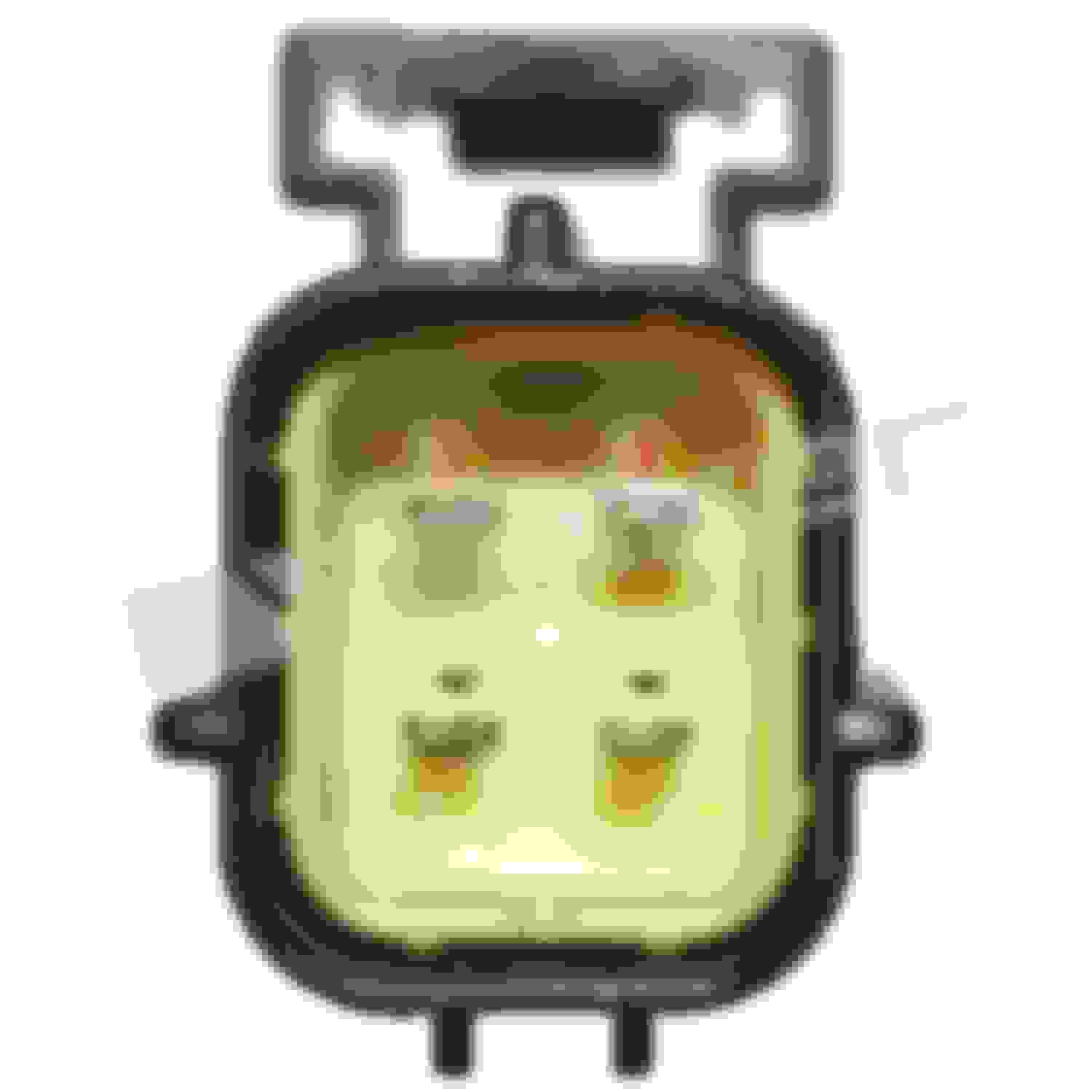
Is it possible that one or more of the CKPS electrical connector pins has partially backed out of the connector? This is a common issue, especially with aftermarket CKPS's.
Is the vacuum line connected to the fuel pressure regulator, and if so, if you disconnect the vacuum hose do you see wet fuel in the vacuum fitting? This would mean the diaphragm has ruptured, which allows raw unmetered fuel to be inhaled into the air intake, and also leads to low fuel pressure...If you don't see wet fuel at the vacuum hose fitting, crank the engine briefly then check again.
Are the misfire codes the only ones triggered, or are there any others that could be helpful clues? There are potential causes of misfires that are not on the DTC Summary but they will usually trigger additional codes for things like fuel injectors, ignition coils, lean running, timing, CMPS, etc. Any other clues at all could be helpful.
Cheers,
Don
So I went ahead and did a "reboot" of the car, and it went back to the original codes of P0300 and P1313. So @Don B I think it is more of a fuel issue. I don't think that it is water in the fuel, as I did look and have gone through at least 3/4 of a tank of gas. However, I was going to check the vacuum line that goes to the fuel regulator but it is kind of in a funny position and did not want to pull too har because I did not want to break anything and was not sure if I would be able to get it back on. I might just go out and buy a new regulator. I think that the next steps would be to look at the ECM's ground or the ECM itself. I think that I can get my hands on one fairly cheaply. I am not worried about water getting in there since it has been garaged since I got it.
So I went ahead and did a "reboot" of the car, and it went back to the original codes of P0300 and P1313. So @Don B I think it is more of a fuel issue. I don't think that it is water in the fuel, as I did look and have gone through at least 3/4 of a tank of gas. However, I was going to check the vacuum line that goes to the fuel regulator but it is kind of in a funny position and did not want to pull too har because I did not want to break anything and was not sure if I would be able to get it back on. I might just go out and buy a new regulator. I think that the next steps would be to look at the ECM's ground or the ECM itself. I think that I can get my hands on one fairly cheaply. I am not worried about water getting in there since it has been garaged since I got it.
Hi Phil,
It is certainly a good idea to replace the fuel pressure regulator if you believe it is original or has not been replaced in a long time. To carefully disconnect the vacuum hose you can use a long pair of needle nose pliers or the smallest hose pliers in the set Harbor Freight sells, if you have one in your area:
A vacuum leak or intake air leak are other possible causes of your random misfires. Have you inspected all of the vacuum hoses, crankcase breather hoses, and air intake plumbing between the MAFS and throttle body? One area where I have had trouble in the air intake is at the underside of the rubber accordion hose where it is secured to the plastic elbow with a hose clamp. If the clamp is overtightened, it can cause the end of the elbow to kink, causing a leak for umetered air to enter the system. Cracks in the crankcase breather hoses are very common.
The deposits in your exhaust tailpipes can indicate whether the engine is running rich or lean.
I will go get me a set. Since I am not in a hurry to get it all working, I will tackle the fuels system by checking all the hoses and rebuilding the injectors. I am also going to clean the rail. The regulator looks original and I have that on order.
Yesterday I received a code for O2 sensor heat issues for bank 2/2. I got a slow response. I replaced it with another one that I had, which was also a newer one. This morning I then received the code P0300 and P1313. The only thing I can think of is a cable that I disturbed that I must have moved. However, the only cable that could have been touched is the bundle of cable on the firewall in the clip holding both rear O2 sensors and a ground cable, I think, that is also in the same bundle. I don't think that I touched anything else. This is so frustrating, and now I don't know where to go from here.
Welcome to the Jaguar Forums. It's great to have you with us!
Please visit the New Member Area - Intro a MUST and post an introduction so we can learn something about you and your Jaguar and give you a proper welcome.
To answer your questions, yes, knock sensors will trigger diagnostic trouble codes when they malfunction.
Symptoms of a failing CKPS include cranks-no-start, stalling, and various difficult-to-diagnose electrical gremlins. The CKPS signal can be viewed with an oscilloscope.
While there is a dedicated code for a failing knock sensor, it doesn’t necessarily mean the ECU will willingly give it to you. These cars are notoriously frugal with issuing codes, so I wouldn’t 100% rely on it.
The knock sensors on these cars seem to be very reliable though, as I don’t read many posts with them being the culprit to any problems. Still, I would recommend doing a search to find out if anyone has had problems with knock sensors, and their associated codes in the past?