When you click on links to various merchants on this site and make a purchase, this can result in this site earning a commission. Affiliate programs and affiliations include, but are not limited to, the eBay Partner Network.
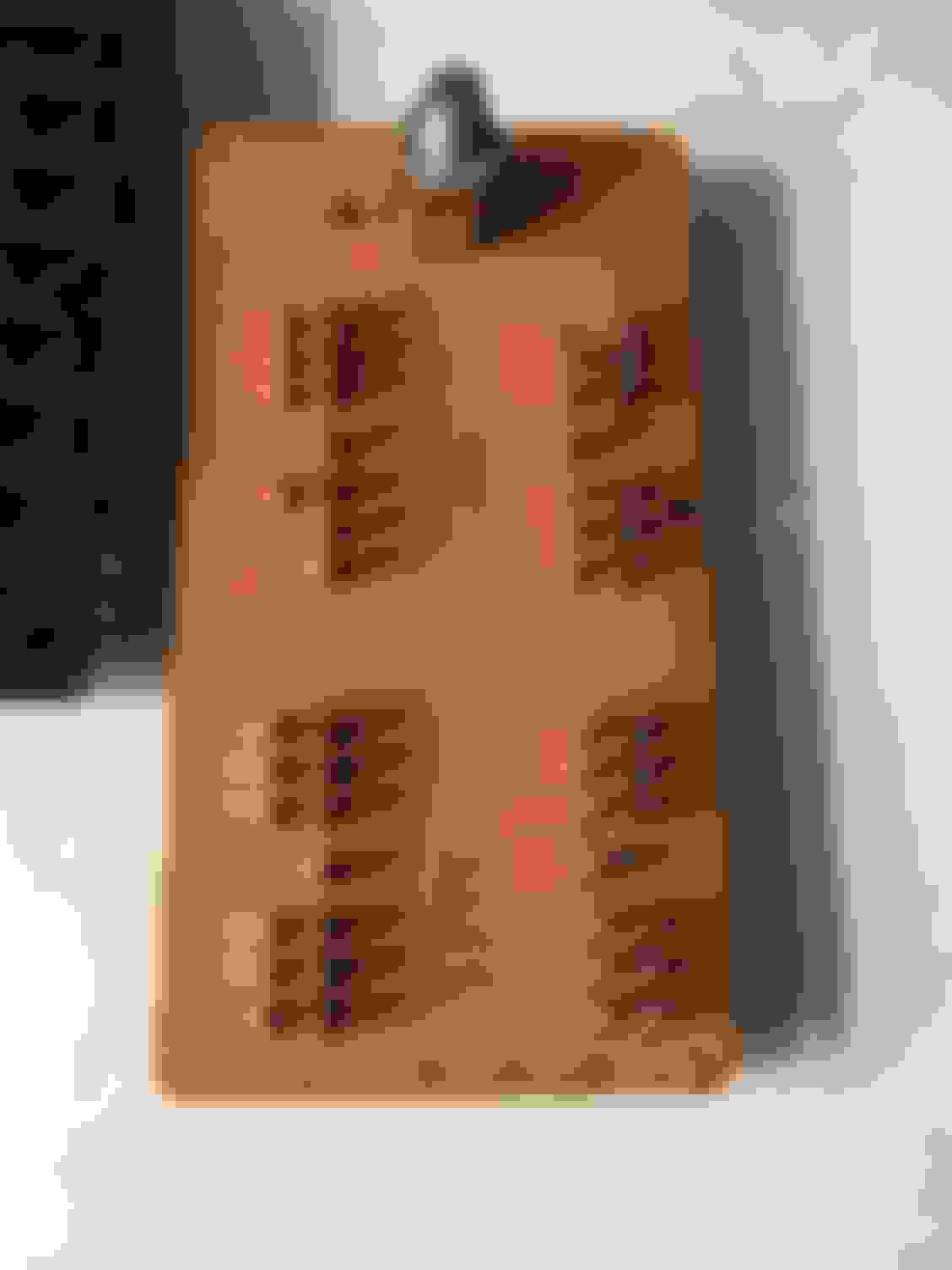
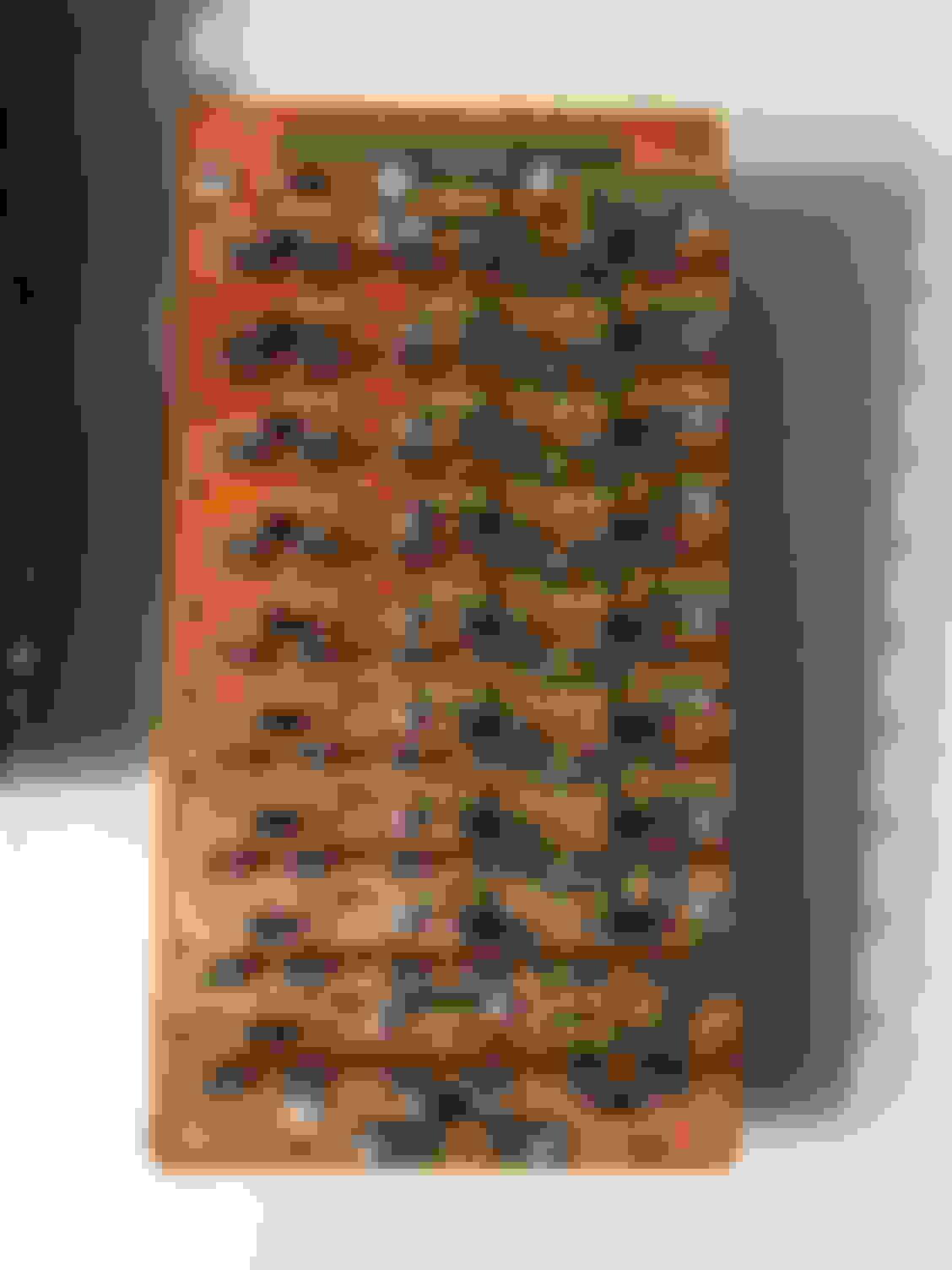
Hey guys. The time has come to reflow the fuseboxes. I took apart circuit 2 since Ive been experiencing a lot of intermittent issues with it this past summer. The power seats would stop working, blower motors, and the radio were also not present most of the time. So I took apart the cases and immediately noticed an obvious cracked point, then I took my loupe and inspected all of the points, only to see that theyre all developing cracks. So here we go! Im going to solder tonight and install it within a couple of days. Im going on a short trip, so wont have time finish the job tonight. Wish me luck!
Last edited by Brewtech; Sep 17, 2019 at 10:05 PM.
Thanks for posting the great photos, Brewtech! They will be helpful to many others in the future. That cracked top solder joint in the last photo is as obvious as any I've ever seen.
Ditto to everyone's comments. I'm not very adept at electrical issue but your thorough photographic documentation has given me a clear understanding of what to look for if and when I have to re-flow my fuse boxes. Thanks, Ren
Fusebox needs to be split open to repair it properly, otherwise you might be left with this:
Its the main ground(or was it power?) point with the big nut, only accessible from inside. You will need to cut the sides and solder them back again later.
Sorry for the small pics, cant find bigger ones right now.
You'll also need a 100W soldering iron to resolder this. Any less than that and you'll struggle badly and you definitely wont be able to reflow solder on this big ground point.
Plenty of other cracked solder joints inside too of course, think there were 5 o 6 when I did mine but that main power point was the biggest issue.
Cars that have severe corrosion (cars from the UK or any where in N.America with bad salty winters) will need Katar's solution, however most fuseboxes in reasonably clean condition, (say from West coast or the South), will be OK just reflowing without separating the boards. At least try that first!!
It wasn't exactly corrosion at fault in that case Larry as there wasn't any signs of water on this despite the huge extra ventilation hole in the floor when I bought that 40, I'd say that this bolt solder cracked due to years of vibrations and driving with shot top shock absorber bushes
I've repaired at least 10 of these, 3 only last year(these were badly corroded too) and I'd say half of them had cracks on that main point and probably only one or two didn't have a cracked joint in-between layers so although it might be worth trying to fix just the outside it won't necessarily be a full repair and it doesn't really take that much extra time to investigate/split it despite how scary it might look at first
I can highly recommend the old school gun type soldering iron with the copper wire tips for this job as they are only $15 and are always 100W+
Soldering flux is also crucial. Any will do.
Hey Katar! I was looking into splitting them but it did look as if I would end up destroying it😁. Thanks for the info. How exactly do I go about splitting them? Thanks for the 100w suggestion!
Just use small pliers to cut all pins in the middle and then resolder all later on, its very easy, bit flux and some solder where you cut it open and repeat until all done
Just my two cents: a soldering gun is fine for those pins, but I would not recommend using it on a circuit board. It generates so much heat that it is very easy to damage circuit board traces and sensitive electronic components. A 25W pencil-type soldering iron is better for that type of work. I personally prefer a flat chisel-shaped tip that is about 1/8 inch wide instead of a pencil point tip. My iron is an old Radio Shack model made by Ungar that is unfortunately no longer available, but this is the current Weller version:
The wider tip allows the simultaneous heating of the circuit board pad and component lead so the reflowing is accomplished as quickly as possible, reducing the chances of damaging anything.



 Reflowing solder on my fuseboxes.