


Series III paint question


Thread Starter
|
Junior Member
Joined: Jun 2013
Posts: 4
Likes: 0
From: BC Canada
 Series III paint question
Hello.
Need some opinions on using the stock paint as a base and spraying epoxy over a degreased and scuffed paint then a bc/cc, or would it be wiser to stip to bare then spray? My paint looks pretty good, some cc peeling on sunroof and trunk, a couple surface rust spots and a bubble on the trunk at the rear brightwork.
Thanks
Need some opinions on using the stock paint as a base and spraying epoxy over a degreased and scuffed paint then a bc/cc, or would it be wiser to stip to bare then spray? My paint looks pretty good, some cc peeling on sunroof and trunk, a couple surface rust spots and a bubble on the trunk at the rear brightwork.
Thanks

Senior Member
Joined: Dec 2012
Posts: 161
Likes: 3
From: Louisiana
Hi, I have been reading about this topic, because my car needs paint and I had never run across the term "thermoplastic paint" before I got a Jaguar.
Look at the link I posted recently in general tech under the topic "Thermoplastic Paint".
From what I can tell this term is one of those delightfully different British ways of describing modern auto paint, rather than the old nitrocellulose or other traditional auto paints. I might be wrong because I am after all a hobbyist.
In any case it seems foolish to remove all the factory panel corrections and start over with bare steel when it increases the cost of a project which is already marginal because of the value of these cars and the ability of us as hobbyists to afford a repaint, plus is probably completely unnecessary. From what I can read, seems like some people fear that, if they don't remove it all, there will be some kind of failure of the new paint. If one is an amateur painter and not up on the new paints, one may well have a failure, plus due to lack of knowledge the failure can be wrongly attributed. If your paint shop technician expresses fear, look around because they may not know what they are doing. There are products on the market which seal the existing coatings so that the new paint will exist in happy harmony with the underneath layers, assuming they are well-adhered and there is not rust underneath, of course.
In the case of my car, it is black and the paint is sun-damaged, but it is not rusty and not flaking, etc.
Continue your research and I hope this helps you.
Look at the link I posted recently in general tech under the topic "Thermoplastic Paint".
From what I can tell this term is one of those delightfully different British ways of describing modern auto paint, rather than the old nitrocellulose or other traditional auto paints. I might be wrong because I am after all a hobbyist.
In any case it seems foolish to remove all the factory panel corrections and start over with bare steel when it increases the cost of a project which is already marginal because of the value of these cars and the ability of us as hobbyists to afford a repaint, plus is probably completely unnecessary. From what I can read, seems like some people fear that, if they don't remove it all, there will be some kind of failure of the new paint. If one is an amateur painter and not up on the new paints, one may well have a failure, plus due to lack of knowledge the failure can be wrongly attributed. If your paint shop technician expresses fear, look around because they may not know what they are doing. There are products on the market which seal the existing coatings so that the new paint will exist in happy harmony with the underneath layers, assuming they are well-adhered and there is not rust underneath, of course.
In the case of my car, it is black and the paint is sun-damaged, but it is not rusty and not flaking, etc.
Continue your research and I hope this helps you.
Thread Starter
|
Junior Member
Joined: Jun 2013
Posts: 4
Likes: 0
From: BC Canada
Ok. Thanks for the great advice, i feel better about using the existing as a base now, i may still strip the are aroud the grill to bare metal to get at any small rust pockets from rock chips, im sure a few are to metal. Cant wait to get her looking 100% again.

Member
Joined: Apr 2013
Posts: 85
Likes: 31
From: St. Louis USA
I painted over the factory paint on my 87. It actually turned out pretty well considering my skill level. The original paint makes a good base if its still in good shape. You want to sand it down a bit. If the finished paint it too thick, you'll eventually get cracks. On areas where the original paint is solid you can go right over it with primer. I had parts of the car in high build primer where i had done some light bodywork, some with original paint and some new panels with the black e-coat on them so I shot the whole car in sealer first before final prime and color. The sealer gives you a uniform coating all over.
Senior Member
Joined: Dec 2012
Posts: 161
Likes: 3
From: Louisiana
John did you take the front and rear glass out and paint the area under the seals thoroughly? That's one area I am concerned about as these cars have a reputation of rusting out there. I just wondered what if anything you did.
I used to help you have natural gas in the winter: I worked for MRT for 14 years; their office was on Clayton road in Ladue. I was not there except for the occasional training though; always enjoyed visiting St. Louis.
I used to help you have natural gas in the winter: I worked for MRT for 14 years; their office was on Clayton road in Ladue. I was not there except for the occasional training though; always enjoyed visiting St. Louis.

Senior Member
Joined: Apr 2013
Posts: 169
Likes: 35
Im currently in the process of painting my 86 series 3, i took both windscreens out as i had to fix rust, i sanded the whole car back to be rid of the clear coat [that was lifting], i used por15 on my windscreen chanels all the way around and then put a light coat of etch primer over the whole car followed by spray primer putty and gave it a week before rubbing back, then hit with acrylic lacquer base colour and then clear, im waiting on a dry week end[rained all week here]so i can get a few more coats of clear on.
Trending Topics

Veteran Member


Joined: Dec 2009
Posts: 9,556
Likes: 2,555
From: Crewe, England
Never try painting over TPA, the new paint will fail ! I know as I had one with TPA !!
Jaguar tried patch refinishing when small defects and damage were spotted on the production line, but couldn't use TPA as the temperatures involved were too high for a finished car. The refinish would sometimes manage to last our the warranty period but only just. So back to bare metal is best with this awful stuff. However, at some point, the TPA was ditched in favour of normal Clear-over-Base, (COB), paints as used by all the other car manufacturers. I am not sure what year this occurred, but I think it was when the XJ40 model came out. The TPA process was changed a bit on later cars, so refinish paints may last longer on such cars, but only trying it and seeing the result will show whether this is true or not.
I also posted on this on 28th Dec 2011
Jaguar tried patch refinishing when small defects and damage were spotted on the production line, but couldn't use TPA as the temperatures involved were too high for a finished car. The refinish would sometimes manage to last our the warranty period but only just. So back to bare metal is best with this awful stuff. However, at some point, the TPA was ditched in favour of normal Clear-over-Base, (COB), paints as used by all the other car manufacturers. I am not sure what year this occurred, but I think it was when the XJ40 model came out. The TPA process was changed a bit on later cars, so refinish paints may last longer on such cars, but only trying it and seeing the result will show whether this is true or not.
I also posted on this on 28th Dec 2011

Veteran Member
Joined: Jul 2012
Posts: 6,796
Likes: 2,403
From: Walnut Creek, California
As best as I can tell, the original Thermoplastic in Grosvenor Brown is still on my car and performing well. it does have a few nicks and scratches here and there, but the adhesion and shine remain. when washed and polished it looks just great and has drwn more than one compliment.
Prep and base is everything!!! I acquired a new toy. A TroyBilt Chipper/shredder!! Somewhere in the vicinity of 25 years old!! Most of the red paint looks like new. However, it has some peeled areas and rust shows glaringly. Not to the point of a structural issue, but not good. And at least one other place, the red has peeled back showing black metal. Poor adhesion in some spots!!!!
In a repaint, two things are needed. Chemical neutral and 'tooth"! A well adhesing factory paint that is seasoned, is an excellent base. The adhesion to bare metal issue is resolved. Now, it is a paint to pint issue to resolve chemicaly and mechanicaly.
A sealer will resolve the chemical issue. Scuffing will resolve most adhesion issue by providing tooth.
The chemical issues revolve around the carrier, acetone, mineral spirits and now water!!!
Caveat: less than neophyte as a painter. Only one or two of my past efforts turned out as passable!!
Carl
Prep and base is everything!!! I acquired a new toy. A TroyBilt Chipper/shredder!! Somewhere in the vicinity of 25 years old!! Most of the red paint looks like new. However, it has some peeled areas and rust shows glaringly. Not to the point of a structural issue, but not good. And at least one other place, the red has peeled back showing black metal. Poor adhesion in some spots!!!!
In a repaint, two things are needed. Chemical neutral and 'tooth"! A well adhesing factory paint that is seasoned, is an excellent base. The adhesion to bare metal issue is resolved. Now, it is a paint to pint issue to resolve chemicaly and mechanicaly.
A sealer will resolve the chemical issue. Scuffing will resolve most adhesion issue by providing tooth.
The chemical issues revolve around the carrier, acetone, mineral spirits and now water!!!
Caveat: less than neophyte as a painter. Only one or two of my past efforts turned out as passable!!
Carl
Member
Joined: Apr 2013
Posts: 85
Likes: 31
From: St. Louis USA
John did you take the front and rear glass out and paint the area under the seals thoroughly? That's one area I am concerned about as these cars have a reputation of rusting out there. I just wondered what if anything you did.
I used to help you have natural gas in the winter: I worked for MRT for 14 years; their office was on Clayton road in Ladue. I was not there except for the occasional training though; always enjoyed visiting St. Louis.
I used to help you have natural gas in the winter: I worked for MRT for 14 years; their office was on Clayton road in Ladue. I was not there except for the occasional training though; always enjoyed visiting St. Louis.
I removed the front and rear glass on the car. The channels were pretty clean on this 87 but I still wanted to make sure they were rust free.
Senior Member
Joined: Dec 2012
Posts: 161
Likes: 3
From: Louisiana
You're welcome!
I post below the reply-advice I got from an auto body forum, in response to my question about refinishing the Series III Jaguar:
If that car rolled into our shop we would strip away the cracked paint, apply a good epoxy primer where needed then apply a filler primer then guide coat and block sand to make sure the surface was perfectly flat. Where the rest of the car needed attention we would prep it for paint then mask, clean and shoot it using a high quality acrylic urethane paint. As long as the paint on the car is NOT a lacquer repaint you should be ok.
I post below the reply-advice I got from an auto body forum, in response to my question about refinishing the Series III Jaguar:
If that car rolled into our shop we would strip away the cracked paint, apply a good epoxy primer where needed then apply a filler primer then guide coat and block sand to make sure the surface was perfectly flat. Where the rest of the car needed attention we would prep it for paint then mask, clean and shoot it using a high quality acrylic urethane paint. As long as the paint on the car is NOT a lacquer repaint you should be ok.

Junior Member
Joined: Dec 2013
Posts: 1
Likes: 0
From: Glen Burnie, MD 21061
I think you should take help of a good Paint Shop.I can give a free advise to you that never try it your self.because it is my personal experience and i only learn that it is wastage of time and money.Visiting to a good [commercial link removed] is the only solution.
Last edited by GGG; Dec 18, 2013 at 06:14 AM. Reason: remove commercial link




Joined: Dec 2011
Posts: 120,439
Likes: 17,014
From: Durham, UK
I think you should take help of a good Paint Shop.I can give a free advise to you that never try it your self.because it is my personal experience and i only learn that it is wastage of time and money.Visiting to a good [commercial link removed] is the only solution.
Please read forum rules on advertising before making another post. You will see I've removed the link to your website.
When you get a minute, please follow this link New Member Area - Intro a MUST - Jaguar Forums - Jaguar Enthusiasts Forum to the New Member Area - Intro a MUST forum and post some info about yourself and your vehicle for all members to see.
In return you'll get a proper welcome and some useful advice about posting to the forum.
Graham

Veteran Member
Joined: Apr 2012
Posts: 2,291
Likes: 1,466
From: New York City
modern paint.
Modern urethane paints are very flexible. They have to be because modern cars are made of plastics, urethanes steel and aluminum which all have different expansion rates so present day single stage or two stage (2k) urethane paints are very flexible and forgiving. If your present tpa paint has good adhesion and isn't cracked or damaged significantly you can sand it with some 320 or 400 grit paper until the shine is gone and paint over it. If you need to do minor spot repair prime the area with a good 2k urethane or epoxy primer which are now available in convenient cans at you local paint supply store. . Removing the old paint and rust proofing will surly lead to other problems and great expense.

Senior Member
Joined: Sep 2012
Posts: 190
Likes: 46
From: Portland, Oregon USA
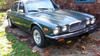
FWIW, my understanding is that, starting with the 1987 model year, the factory switched way from Thermoplastic acrylic and began using base and clearcoat. So if your car's an '87, you do not have Thermoacrylic paint to deal with.
Best,
Andrew.
Best,
Andrew.
Senior Member
Joined: Jan 2014
Posts: 577
Likes: 246
From: Seattle
Been there / done that. My 86 had crazing all over the flat horizontal surfaces. I stripped the paint off right down to the metal. After the color and primer was removed it was quite apparent that water had gotten down in the cracks in the paint and surface rust was starting to form. You could see the rust pattern under the old paint where it had failed. In simple terms the Thermoplastic paint is garbage !
I repainted the car using PPG epoxy primer (many coats / lots of sanding) then sealer, then color, then clear. Paint dried for about a month then it was cut and polished. Never needs wax just wash it with warm clean water.
Don't paint over old paint that is crazed ,.. it will eventually fail.
I repainted the car using PPG epoxy primer (many coats / lots of sanding) then sealer, then color, then clear. Paint dried for about a month then it was cut and polished. Never needs wax just wash it with warm clean water.
Don't paint over old paint that is crazed ,.. it will eventually fail.

Thread
Thread Starter
Forum
Replies
Last Post
WinterJag
XJ XJ6 / XJ8 / XJR ( X350 & X358 )
16
Oct 9, 2015 07:49 PM
jagent
Australia - Victoria / Tasmania
2
Sep 7, 2015 05:00 PM

Currently Active Users Viewing This Thread: 1 (0 members and 1 guests)