When you click on links to various merchants on this site and make a purchase, this can result in this site earning a commission. Affiliate programs and affiliations include, but are not limited to, the eBay Partner Network.
I’m thinking that this isn’t the problem since from an earlier post you state that fuel is being delivered to the carbs – so fuel delivery seems to be okay.
I would suspect fuel preparation, but you also say that you have a no start condition using engine starting fluid sprayed into the intake – this would indicate no or weak spark. Is this still the case?
While on the spark subject, are you getting a bright blue or orange spark? If you’re getting an orange spark then you may hit the threshold of spark failure under compression from a marginal power source (e.g. bad primary coil to distributor high tension wire, bad rotor arm or cap).
Going back to fuel preparation, the only thing I can think of that may cause both carbs to fail simultaneously would be if both float chambers are full of junk and the floats are jammed closed. But until I could get a start condition with starter fluid (which I hate), I wouldn’t be ripping the carbs apart just yet.
How's your compression ?
Thanks again for the suggestions and help!
Is there a chance that the new float bowl plugs could have done something? Before I put the front one in, it was leaking but running. This seemed to happen after I put the second one in.
Thanks again for the suggestions and help!
Is there a chance that the new float bowl plugs could have done something? Before I put the front one in, it was leaking but running. This seemed to happen after I put the second one in.
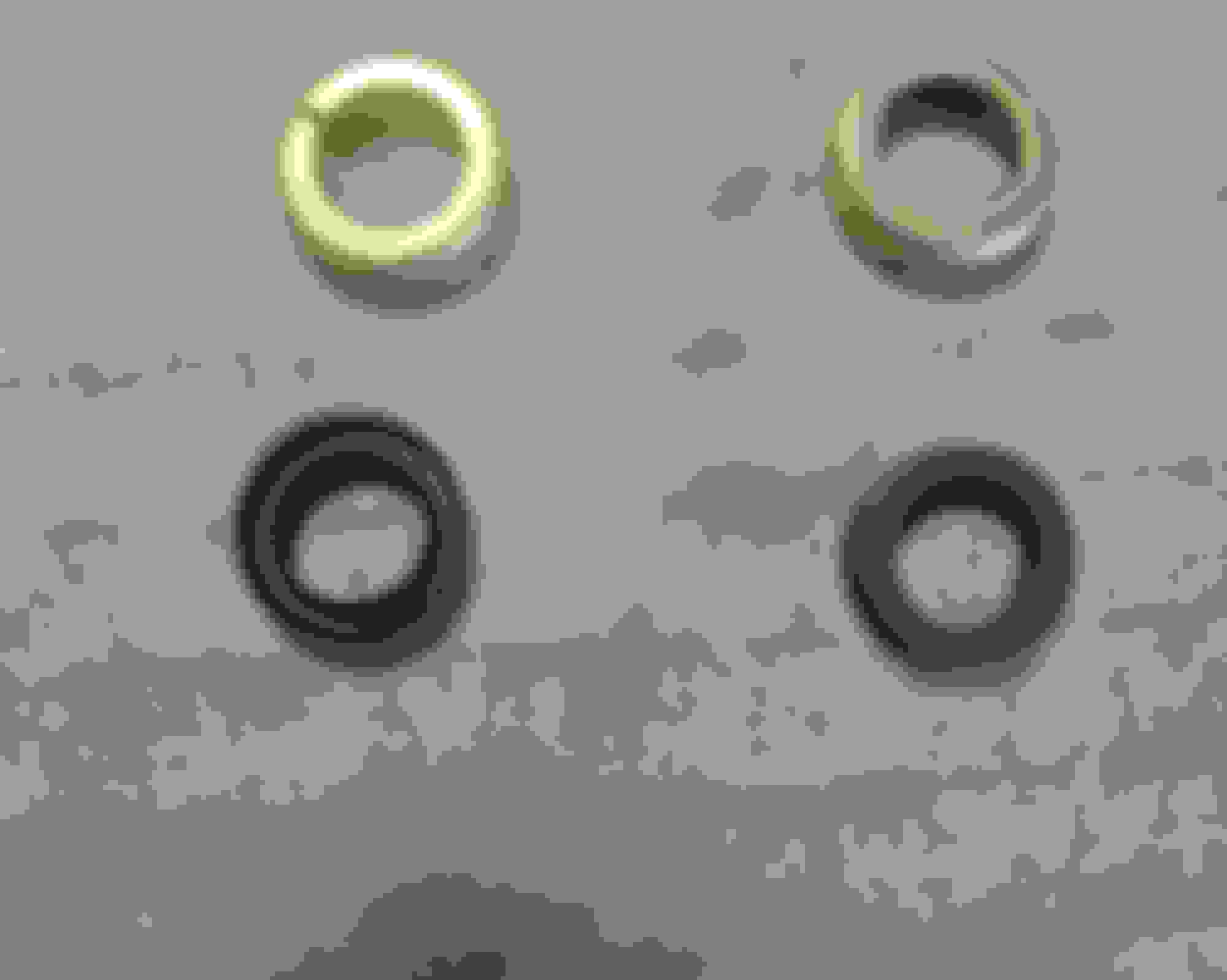
I’m assuming that you are referring to the float bowl plugs that either screw in (early carbs) or press in (later carbs) to the bottom of the float chamber.
I guess it’s entirely possible that if you have the early brass plugs that you could have bent the throttle needle which protrudes into the float chamber, if you remove the air filter and open the throttle butterfly you should be able to raise the damper piston freely and it should drop back into place with a clear click.
You may be on to something here considering that you replaced both plugs.
If the pistons in both carbs move freely, pull the carb tops off and remove the piston/spring. Wrap some seramwrap tightly around the carb top leaving the air intake open and wrapped so that you can look down into the carb. Open the throttle and crank the engine, look through the seramwrap and you should see fuel being drawn up through the mainjet.
Still bothered about the non start condition with starting fluid, there may be more than 1 problem here.
I’m assuming that you are referring to the float bowl plugs that either screw in (early carbs) or press in (later carbs) to the bottom of the float chamber.
I guess it’s entirely possible that if you have the early brass plugs that you could have bent the throttle needle which protrudes into the float chamber, if you remove the air filter and open the throttle butterfly you should be able to raise the damper piston freely and it should drop back into place with a clear click.
You may be on to something here considering that you replaced both plugs.
If the pistons in both carbs move freely, pull the carb tops off and remove the piston/spring. Wrap some seramwrap tightly around the carb top leaving the air intake open and wrapped so that you can look down into the carb. Open the throttle and crank the engine, look through the seramwrap and you should see fuel being drawn up through the mainjet.
Still bothered about the non start condition with starting fluid, there may be more than 1 problem here.
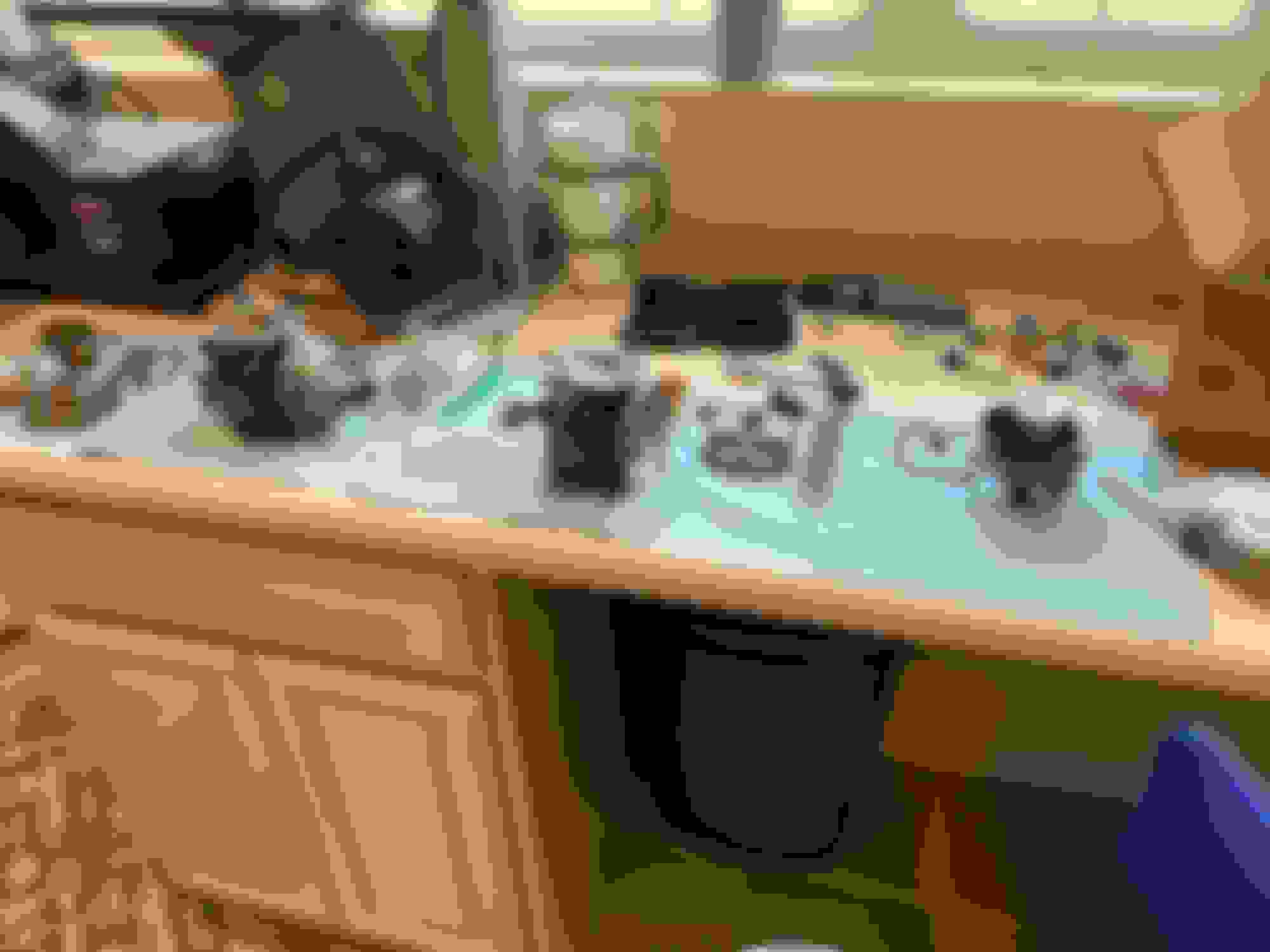
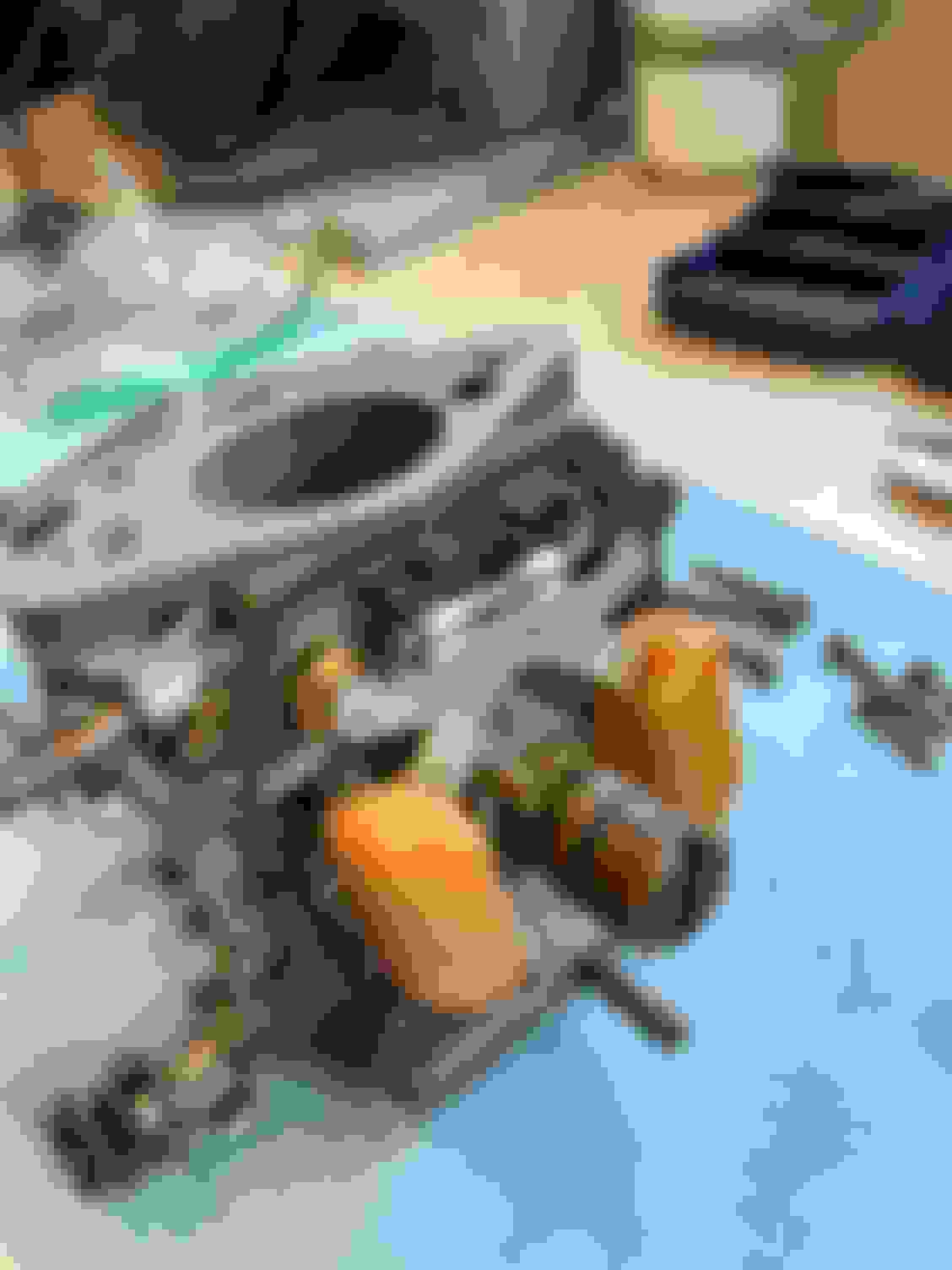
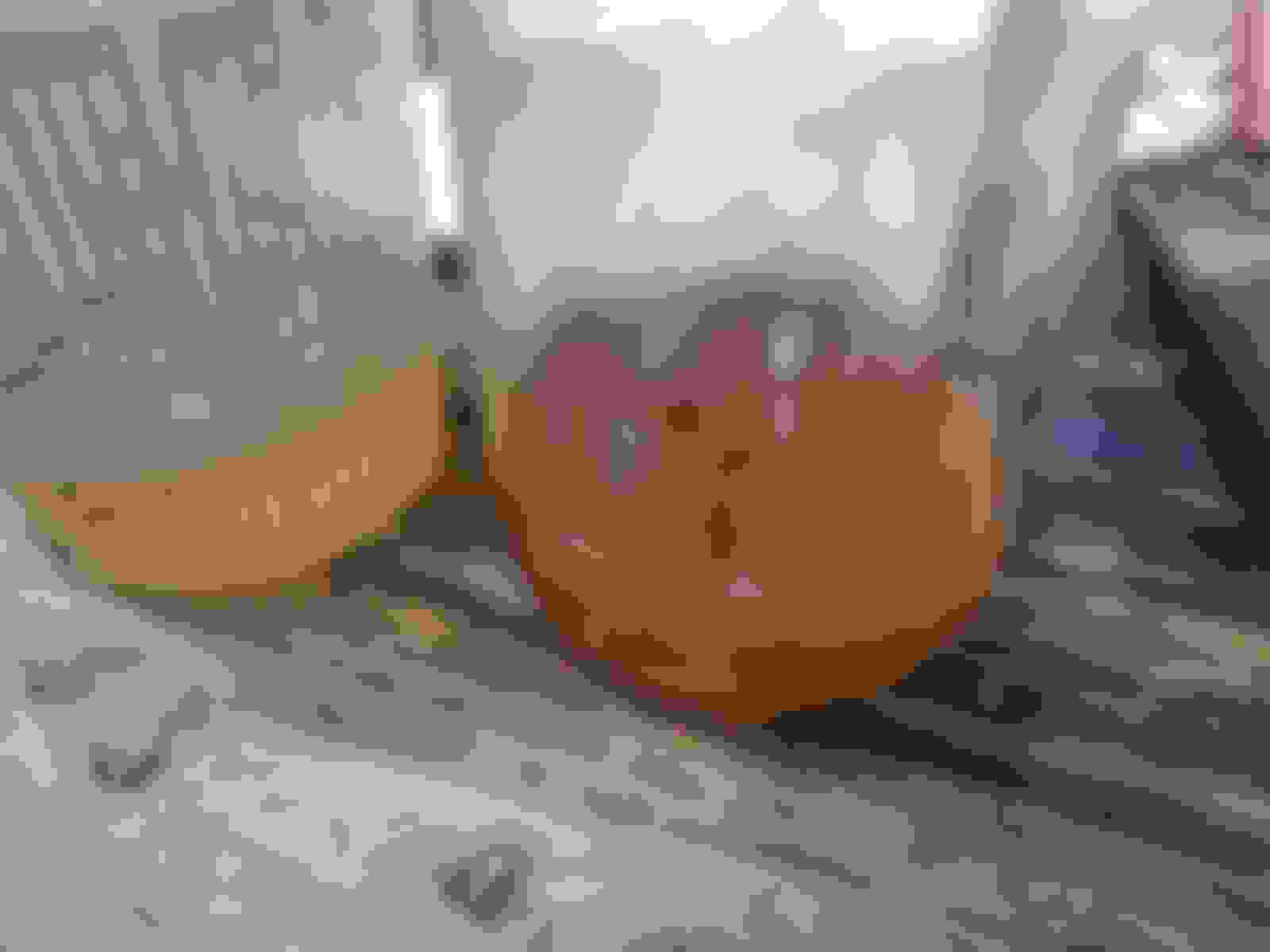
Spark is bright white/blue, the pistons in the carbs move freely, pulled the float bowl plugs and there was a white gelatinous material in there.
But…… poured gas down the carbs today and it wanted/tried to start but would not stay running.
Yep, that looks familiar, you're gonna want to pull those carbs and clean well. I recommend Berrymans Chem-Dip 1gal from the parts store. Pay attention to the microscopic air bleeds in the throat near the throttle valve, may need a magnifier to see them. Use guitar string very carefully to clear them if needed, spray carb cleaner to verify. I mean, that's what I would do...
Spark is bright white/blue, the pistons in the carbs move freely, pulled the float bowl plugs and there was a white gelatinous material in there.
But…… poured gas down the carbs today and it wanted/tried to start but would not stay running.
Brilliant ! Excellent progress, now you know why and at least she's trying to fire up.
So a thorough fuel line, pumps, carbs cleaning and a new fuel filter should see you back in business - but what is that white gelatinous stuff? It isn't sugar is it
That's what you get at a certain stage with water and fuel, especially todays fuel recipes. It also is corrosive to the zinc/pot metal parts and can ruin carb parts. After it dries out you're left with that white powder residue you often find in carbs that have been sitting for long periods of time.
That's what you get at a certain stage with water and fuel, especially todays fuel recipes. It also is corrosive to the zinc/pot metal parts and can ruin carb parts. After it dries out you're left with that white powder residue you often find in carbs that have been sitting for long periods of time.
Thankyou ! I've never seen that stuff so there's my new piece of knowledge for the day.
Joe Curto also makes a very nice manual choke replacement of the water heater type choke. Works really well. Also, be sure to replace the throttle shaft seals on both carbs as they wear and are a source of vacuum leaks.
Updates……
I replaced the “replacement” fuel pumps, and these have check valves incorporated. Nothing……
Had it towed to my buddy’s garage/shop, and mystery possibly solved. Bad gas, but something else in the gas too!
That looks like that swill I got in my 71 corvette (brand new tank and pump) after sitting about 3, maybe 5 months with e10 and K-100 stabilizer. In that short time it completely destroyed the tank and everything inside. 100 degree days, inside my metal building shop, but holy crap. Had to replace everything, tank pump, sender etc... the solution was very highly acidic. If that has a very strong acid smell cover all your bases.
Correction, it was not e10 it was non-e. Which can still contain 5 percent ethanol...