When you click on links to various merchants on this site and make a purchase, this can result in this site earning a commission. Affiliate programs and affiliations include, but are not limited to, the eBay Partner Network.
Yes, that looks to be correct. Upstream o2 sensor is one that matters more, it's what the ecu bases it's 02 feedback (lean/rich) adjustments on. The downstream o2 sensors are there just to confirm that the cat's are working.
The ecu checks that there is a different o2 reading from the sensor after the cats, which shows that they are working; if not, it kicks off a CEL for emissions.
o2 sensors are designed so that as they die/degrade they rich (better to be too rich, than a lean/engine damaging issue), so you're gas mileage/running should get better with the replacement of that one.
Is there a single source to find the base/limits for the settings of the o2 and lamda sensors in a manual.?
Am specifically looking for 2001 XJR paramaters .
Is there a source that shows all operating parameters ?
Be nice to see a parameter list with green for normal /acceptable and red for replace .
Perhaps one of the great gurus of this forum can assist
Is there a single source to find the base/limits for the settings of the o2 and lamda sensors in a manual.?
Am specifically looking for 2001 XJR paramaters .
Is there a source that shows all operating parameters ?
Be nice to see a parameter list with green for normal /acceptable and red for replace .
Perhaps one of the great gurus of this forum can assist
You've got red via the fault code. There are no settings or adjustments other than in the factory as the sensor is made. They have to stand about 600C.
many mechanics (myself included) consider 02 sensors to be wear items. about 100k is the general life of one.
The interesting thing is that they are designed as they wear out to read to the rich side, so replacing them often will up your gas mileage (or more realistically bring it back to where it used to be).
I found many responses to other years. It appears that previous models were different and much more difficult. This was probably my easiest repair ever on this car. Put up on ramps, rolled underneath and the sensors are right there. There was even enough room to use a simple crescent wrench with a little extension for leverage. Came right out. As was mentioned elsewhere, the hardest part was being gentle with the plastic wire connector. They are brittle and can easily crack. 20 Minute repair once I figured it out. This repair sure does not justify the costs mechanics are charging for it.
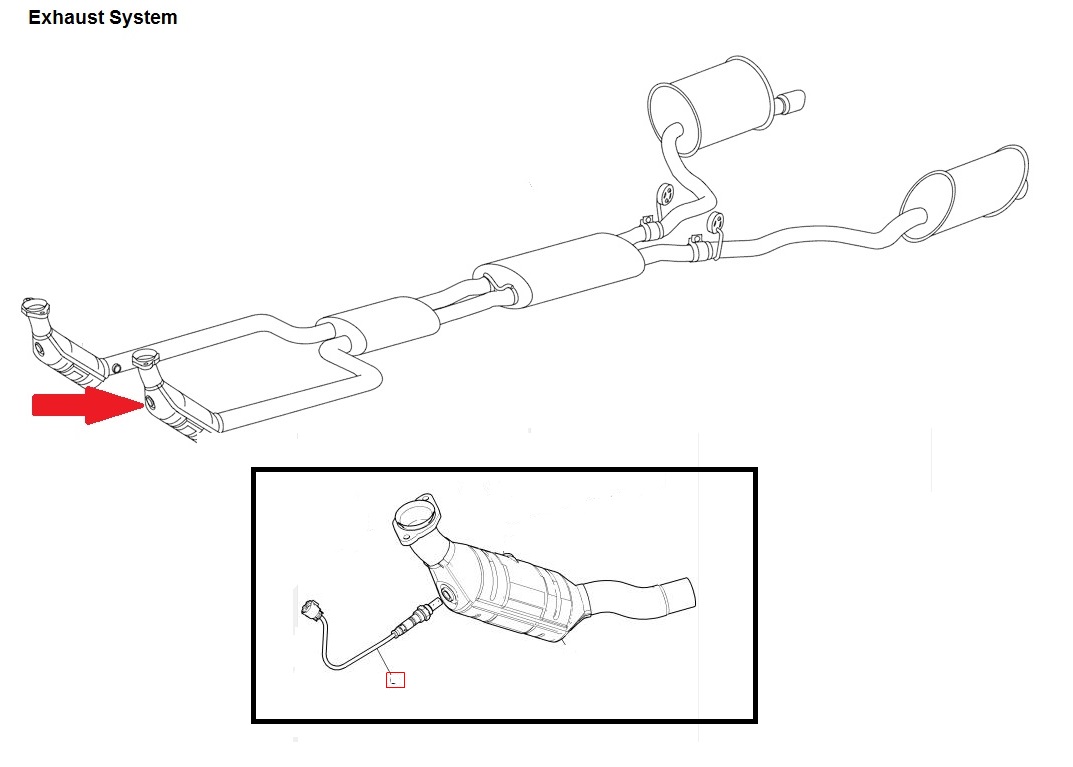
My XJ8L X350 is at the time where all the faults are coming in thick and fast. I have to replace both my upstream O2 sensors, have searched and there are not much photos of where the real location is, only technical drawings so here it is.
As another member has mentioned it is really a piece of ......cake to tackle and not worth the $100 and up of mechanics wanted to charge.
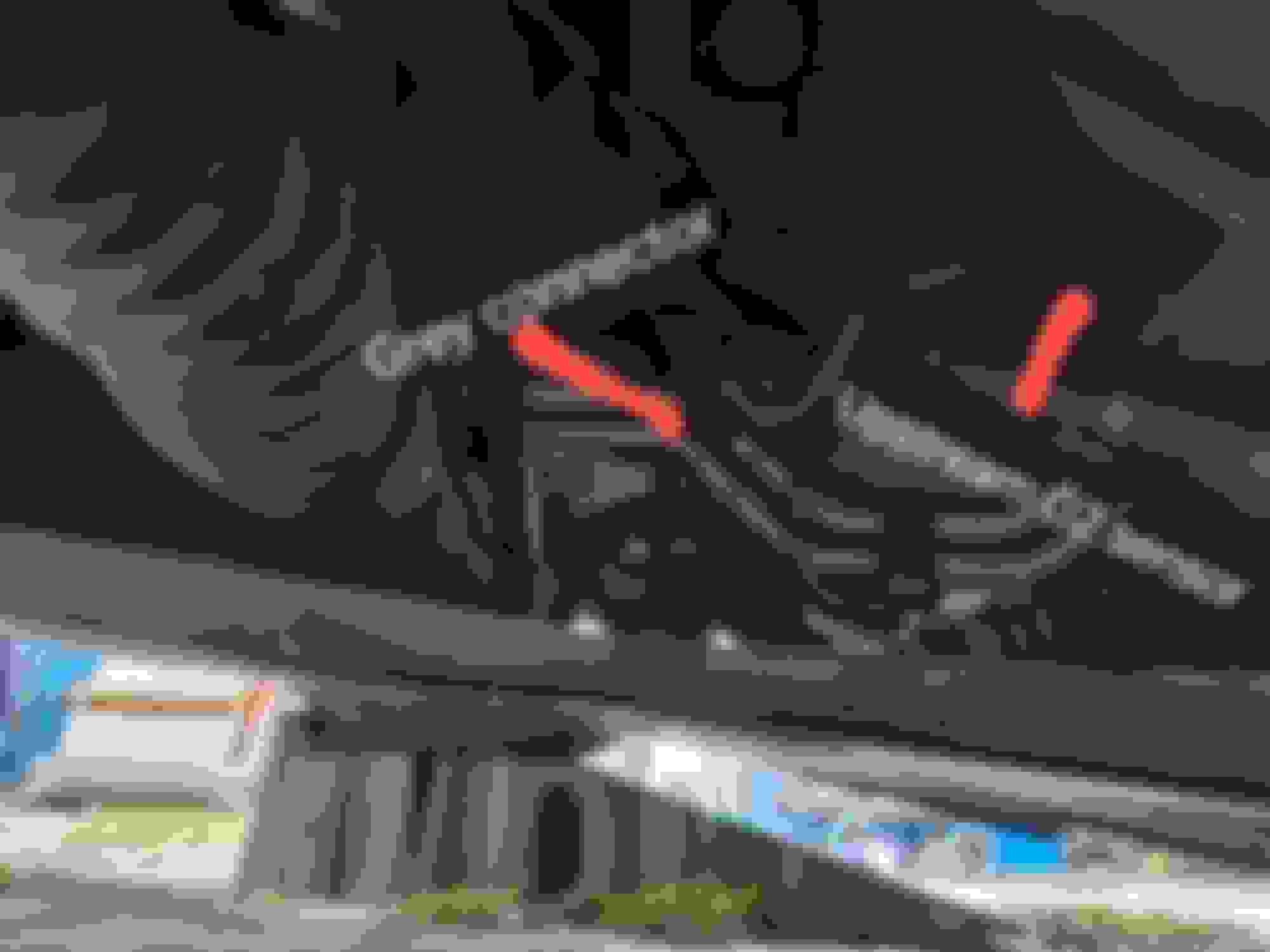
I stuck my car on a ramp, loosened the back end of the lower splashguard to have a bit more room and is literally in your face.
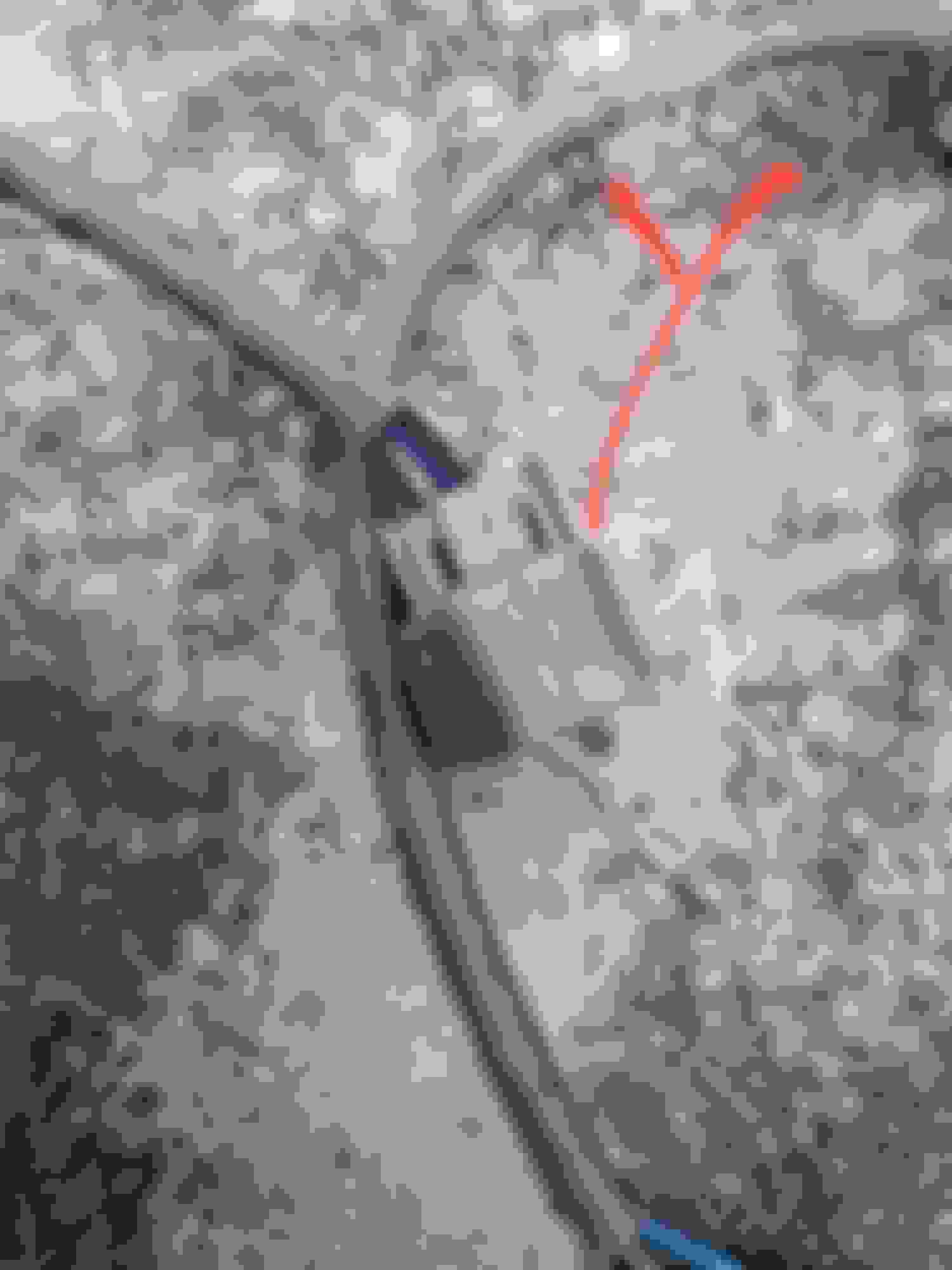
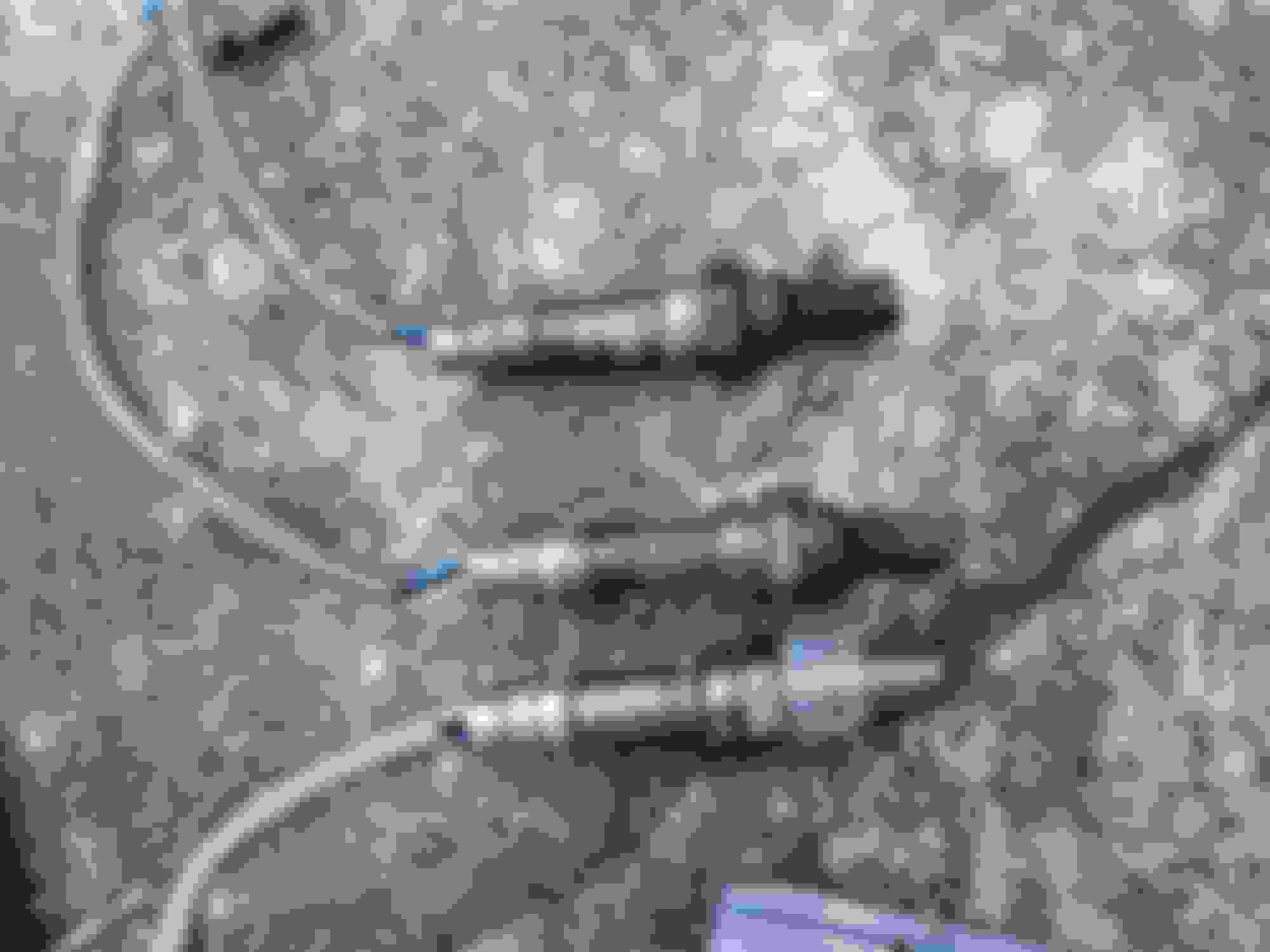
You have to pull or slide the grey connector towards you(see pic A) as it is held on with a sort of spade connector (see pic Z) and push down on the other side of the grey connector (see pic Y) to disconnect.
Then I used a O2 sensor removal attachment and replaced both sides which took less than 30mins for both sides.
So far these 2 months I have replaced all 4 air suspension units, rear parking sensor, ABS sensors and now thinking what is wrong with the suspension as it is rock solid which it wasn't before replacement of the shocks....tally ho Pull or slide towards you to remove the connector attached to the support Location on the left side, the right side is the same Push and pull to remove the O2 sensor from the connector This is the slide(spade) attachment to the body My job done and money saved for the next jobs
My XJ8L X350 is at the time where all the faults are coming in thick and fast. I have to replace both my upstream O2 sensors, have searched and there are not much photos of where the real location is, only technical drawings so here it is.
As another member has mentioned it is really a piece of ......cake to tackle and not worth the $100 and up of mechanics wanted to charge.
I stuck my car on a ramp, loosened the back end of the lower splashguard to have a bit more room and is literally in your face.
You have to pull or slide the grey connector towards you(see pic A) as it is held on with a sort of spade connector (see pic Z) and push down on the other side of the grey connector (see pic Y) to disconnect.
Then I used a O2 sensor removal attachment and replaced both sides which took less than 30mins for both sides.
So far these 2 months I have replaced all 4 air suspension units, rear parking sensor, ABS sensors and now thinking what is wrong with the suspension as it is rock solid which it wasn't before replacement of the shocks....tally ho Pull or slide towards you to remove the connector attached to the support Location on the left side, the right side is the same Push and pull to remove the O2 sensor from the connector This is the slide(spade) attachment to the body My job done and money saved for the next jobs
Thanks for posting this process. I'm having the p1646 code pointing to the bank 1. I'm confused on which one it is. The one on the driver side or the one on the passenger side.
Another thing, what made you replace them? It was just a code or did you actually felt something wrong with the car?
Thanks for posting this process. I'm having the p1646 code pointing to the bank 1. I'm confused on which one it is. The one on the driver side or the one on the passenger side.
Another thing, what made you replace them? It was just a code or did you actually felt something wrong with the car?
Hi there,
I had the same code as you for both banks and also the exhaust fumes smelt a bit rich hence needed to change them, other than that the car ran ok. I think bank 1 is on the right hand side of the car(correct me if I am wrong)



 Bank 2 Upstream 1 Lambda / O2 Sensor location