When you click on links to various merchants on this site and make a purchase, this can result in this site earning a commission. Affiliate programs and affiliations include, but are not limited to, the eBay Partner Network.
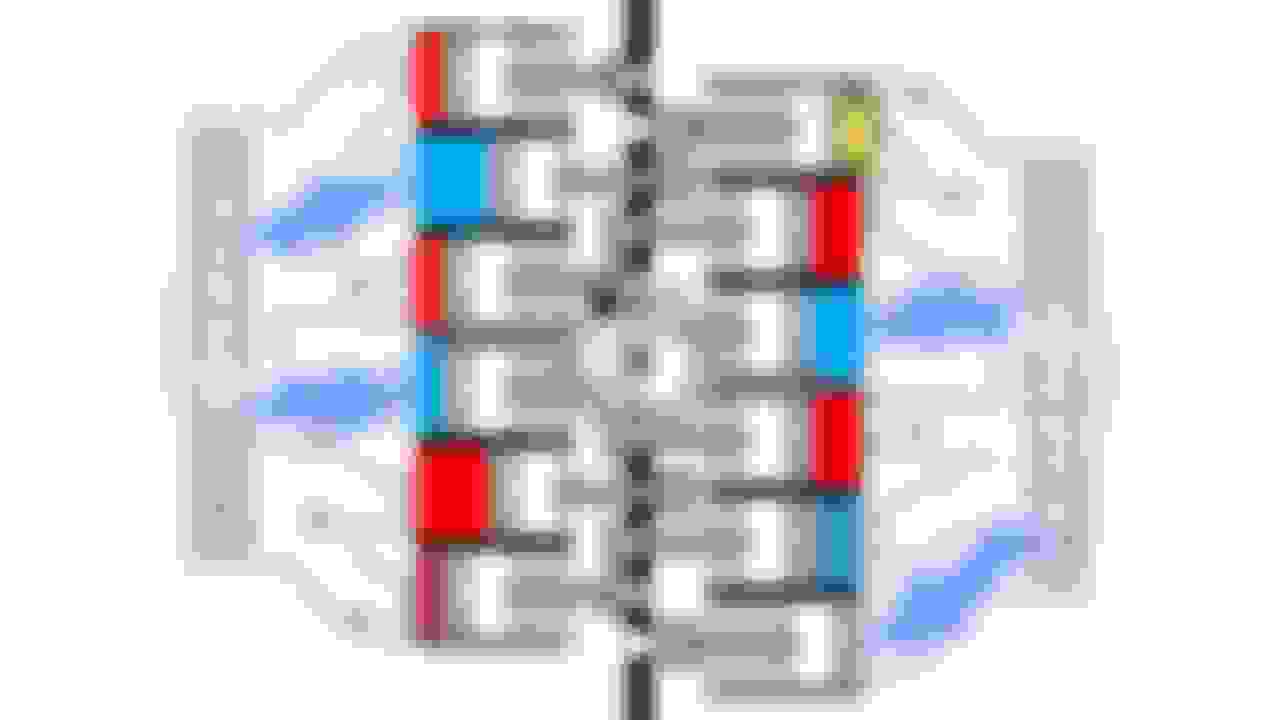
I made this when I was working on my distributor and timing and trying get get a better idea of the engine. I thought someone might find it interesting or useful.
I tried to accurately portray the intake valve duration ( but not lift ) with the arrows. The crank seems wrong to me somehow, but piston position and relative movement is correct.
Erm, I like it but something doesn't quite work... The crank seems to have too many throws... Shoukdn't it only be 6? And that 2 cylinders of the same number shape the same throw?
Erm, I like it but something doesn't quite work... The crank seems to have too many throws... Shoukdn't it only be 6? And that 2 cylinders of the same number shape the same throw?
Daim, it is a DIAGRAM, not a technical drawing. WE all know the crank throws are siamesed, that is not the point, old chap!
Greg
Daim, it is a DIAGRAM, not a technical drawing. WE all know the crank throws are siamesed, that is not the point, old chap!
Greg
Daim raises a great point though. The crank is a mystery to me. I've seen it. I know it's 6 Siamesed pairs. I just can't model that as a flat 12. I assume it all works out in a 60 degree vee.
Creative Commons Attribution-NonCommercial-ShareAlike liscense. Print it and spray paint a moustache on it if you like.
can anyone tell me how the intake valves opening before TDC on the exhaust stroke works? I know lift is tiny at this point, but it seems counterintuitive. Same for staying open past BDC. Air mass inertia, magic, I don't get the 5000 rpm physics at all.
Daim raises a great point though. The crank is a mystery to me. I've seen it. I know it's 6 Siamesed pairs. I just can't model that as a flat 12. I assume it all works out in a 60 degree vee.
Creative Commons Attribution-NonCommercial-ShareAlike liscense. Print it and spray paint a moustache on it if you like.
can anyone tell me how the intake valves opening before TDC on the exhaust stroke works? I know lift is tiny at this point, but it seems counterintuitive. Same for staying open past BDC. Air mass inertia, magic, I don't get the 5000 rpm physics at all.
Would it work with a angled front view? Say if you looked at the front left corner and could see the rear cylinders and the front at the same side... Maybe would be an easier way to demonstrate?
Would it work with a angled front view? Say if you looked at the front left corner and could see the rear cylinders and the front at the same side... Maybe would be an easier way to demonstrate?
if I'd modeled this is 3D, yes. Best I could do in this 2D is to snug the rods up together properly, animate the crank correctly and just clip the rods where they disagree with the crank animation. Still wrong, but would look better.
3D animated V12 would be awesome. But I have alternator issues to deal with.
can anyone tell me how the intake valves opening before TDC on the exhaust stroke works? I know lift is tiny at this point, but it seems counterintuitive. Same for staying open past BDC. Air mass inertia, magic, I don't get the 5000 rpm physics at all.
The exhaust valve opens BEFORE BDC of the firing stroke, using residual combustion pressure to start the exhaust gases moving out, then as the cylinder rises on the exhaust stroke, it forces the gases out even more strongly.
The induction stroke on its own does not give enough time for the cylinder to fill efficiently with air/fuel mixture; BUT if the intake valve is opened about (say) 18 degrees before TDC on the exhaust stroke, the exiting exhaust gases "pull" the intake mixture into the cylinder, and magically the two do not mix to any significant degree. Essentially the exiting exhaust gases, having momentum AND having a pressure wave, keep roaring out of the exhaust port, and by doing so help to create a partial vacuum in the cylinder which helps draw the incoming fuel/air. And this partial vacuum and pressure wave is so powerful that it overcomes the fact that the piston is still rising.
Greg
Last edited by Greg in France; Mar 22, 2017 at 01:53 PM.





 V12 engine animation