When you click on links to various merchants on this site and make a purchase, this can result in this site earning a commission. Affiliate programs and affiliations include, but are not limited to, the eBay Partner Network.
As per title, bleeding the front brakes on my RHD car and only the RHS bled fluid.
The LHS trickled a tiny bit and stopped.
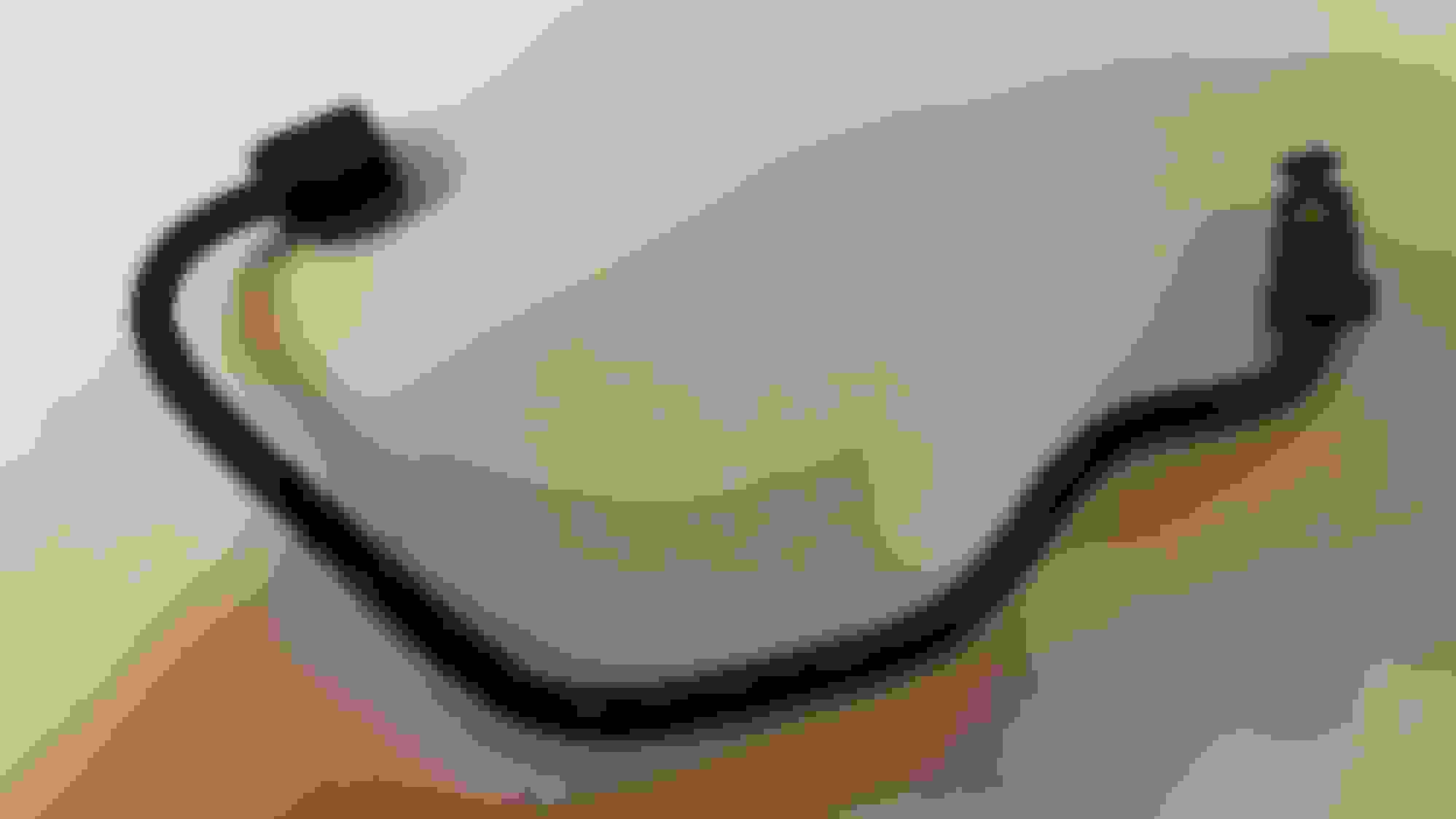
I proceeded to take off this part as pictured, hoping the block was here but same deal, no fluid pumping through the springy brake hose.
What to check next?
Also is this pipe that sits behind caliper generic? It tore near the hose joint in the process, cant find it on any parts list.
As per title, bleeding the front brakes on my RHD car and only the RHS bled fluid.
The LHS trickled a tiny bit and stopped.
I proceeded to take off this part as pictured, hoping the block was here but same deal, no fluid pumping through the springy brake hose.
What to check next?
Also is this pipe that sits behind caliper generic? It tore near the hose joint in the process, cant find it on any parts list.
The brake pipes are on UK ebay, ans also from Manners, SNG etc. e.g.: https://www.ebay.co.uk/itm/Jaguar-FR...0AAOSwjDZYhoFs
Also any local brake place can make one up easily.
You may well have a flexible (springy protected one as you mention) that has closed up in the middle, it is good to renew them anyway of more than 10 years old.
The flexible is held to the inner wing by a nut each side on its threaded end. First undo the captive pipe union nut on the inside, then place a spanner on the nuts holding the threaded end both inside and the outside and it comes undone easily. If no fluid comes out of the undone hard line on the inside, then you have a hardline blockage between the junction where the front brakeline from the master cylinder branches to the LHS and the wing join to the flexible.
Last edited by Greg in France; Jan 19, 2021 at 07:00 AM.
The front calipers can get plugged in behind the bleeder screw. Completely remove the bleed screw and use a small drill bit to clean out the drilled passage behind the bleed screw. The bit should go into the caliper something like 1" to 1 1/2". if you get that clear, I bet fluid will come out. BTW, any talented mechanic should be able to fabricate a brake pipe like yours. I would expect them to cut off the fittings from your pipe and use them on the new one.
Cheers, the blockage was in the flexible hose as once this was removed, fluid came through the hard line inside the engine bay.
Have ordered two flexibles (may as well change both) as well as the pipe which was available locally, luckily.
Last edited by BeepBeepYeah; Jan 25, 2021 at 10:13 PM.
BBY
You should also as a matter of importance, renew the rear one too. A bit of a pain to get at, but if it too blocks, it will lock on the rears and ruin the diff seals.
Finally got around to fixing this and now have both front wheel actually braking( and quite well too).
BUT, the LH front was not rolling freely when jacked up initially, I hoped this remedy would also fix this.
Took for a 15 minute drive yesterday and pounded the brakes a bit to try loosen it up - it did a little, it is rolling a little better but still resisting. Anything I can do to loosen it further or is this caliper likely seized?
Finally got around to fixing this and now have both front wheel actually braking( and quite well too).
BUT, the LH front was not rolling freely when jacked up initially, I hoped this remedy would also fix this.
Took for a 15 minute drive yesterday and pounded the brakes a bit to try loosen it up - it did a little, it is rolling a little better but still resisting. Anything I can do to loosen it further or is this caliper likely seized?
The caliper is rusty or cruded up and the pistons or at least one of them, will not retract properly. It could also be that the pad has jammed in the caliper. This is quite frequent as garages often do not ensure the pads go freely into the caliper. Remove the caliper, take a look, and when fitting new pads to the old, or new caliper, grind down the side edges of the metal part of the pad a touch to ensure it slides easily into the caliper.
If the pistons and bores are not rusty, rebuild kits are cheap enough, but in my view a professionally rebuilt caliper is always a better option. Also if one caliper is bad, the other will not be far behind.



 Brake fluid only one side