When you click on links to various merchants on this site and make a purchase, this can result in this site earning a commission. Affiliate programs and affiliations include, but are not limited to, the eBay Partner Network.
I am looking for a vacuum leak and I am finding some issues. I did see a video that when they do it at a garage they use an ODBC controller to open up certain valves/paths to make sure the smoke gets everywhere. Do we need to do that?
The test you are referencing are for the EVAP system that entails closing the CCV to check the system for leak that would include the Canister Close Valve.
1. I recommend removing the MAFS and sealing its aperture with either a rubber plug or duct tape. The oily smoke can contaminate the delicate MAFS hotwire and Intake Air Temperature Sensor thermistor.
2. Your smoke pressure is being lost via the air filter housing and air inlet snorkel. You must plug the inlet somewhere. I disconnect and remove the air filter housing lid and seal the pipe. I have rubber plugs in various sizes, but you can seal it with a Ziploc bag taped over the end with duct tape.
3. You will not get much smoke into the rest of the intake unless you prop the throttle butterfly plate open. Use something soft and large enough that it can't fall past the plate into the induction elbow.
4. The oil seeping past your Variable Valve Timing solenoid gasket is an air leak. If oil can get out, unmetered air can get in under engine vacuum. Check your other VVT solenoid gasket too. They're easy to replace. Also look for oil leaks at the cam cover gaskets, spark plug tube gaskets, oil filler cap gasket, etc. Oil seeping at any point indicates an air leak under engine vacuum.
5. To smoke test the left bank and part-load breather hose, you can inject smoke via the oil filler port.
6. The O-rings in the full-load crankcase breather hose where you are injecting smoke are a common leak point. Replacing them requires some fiddly work with small flat-blade screwdrivers or O-ring picks, but it is worthwhile.
7. You can disconnect the vacuum pipe from the brake booster to inject smoke into the pipe.
8. For testing the EVAP system, the smoke machine should be limited to very low air pressure, typically 1 psi or so. But to test the engine air intake, you can use more pressure, up to 10 psi, which is equivalent to about 20 inches of Mercury (in. Hg.), but to be safe with brittle plastic breather hoses and such, it's best to play it safe and keep your pressure at 5 psi or less.
Another usable hose to the intake is the vacuum line to the fuel pressure regulator. Seems like injecting smoke through there would be pretty straightforward.
I did replace the VVT seal, i noticed it quickly when i started to look for the leak, it was not the issue
I also did bag off the MAF before I did the smoke test
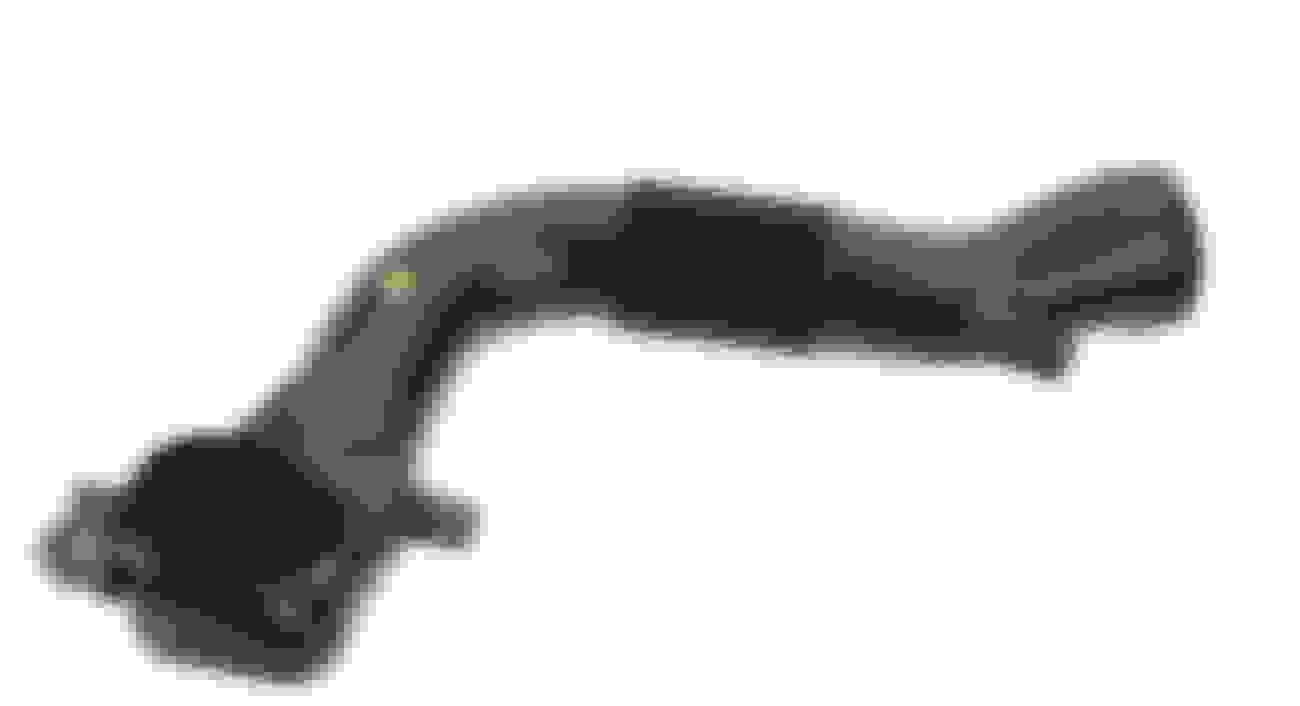
I found a number of leaks, i am going to fix the most active first and replace the large MAF hose or whatever you call it. It was blowing smoke like crazy at the rippled areas.
Hey Scott I had the same problem when I first got my car. I decided not to buy another part that would more than likely fail again prematurely. So I decided to swap out the accordion section for a piece of 3 1/4” silicone hose and clamps I found oneBay. This fix was really inexpensive, looks good and it’s bulletproof. I actually still have another piece of the hose if you or any other member needs it just pay postage.
As an aside I remember when I did this fix I did find sone older threads with similar fixes and some guys were struggling to get various sizes hose to work. For the record 3 1/4 inch hose works perfectly.



 Smoke Test Question