When you click on links to various merchants on this site and make a purchase, this can result in this site earning a commission. Affiliate programs and affiliations include, but are not limited to, the eBay Partner Network.
My 2004 XJ8 is an early unit VIN #...SG197... so I have the 4 Ride Level Sensors and the early Wabco compressor. I was getting the ASF C2303 so I decided to buy the Bagpipingandy's Compressor Repair Kit and give it a shot. Am I glad I did. And I'm glad I didn't stop at the teflon ring but took the whole thing apart (minus the motor).
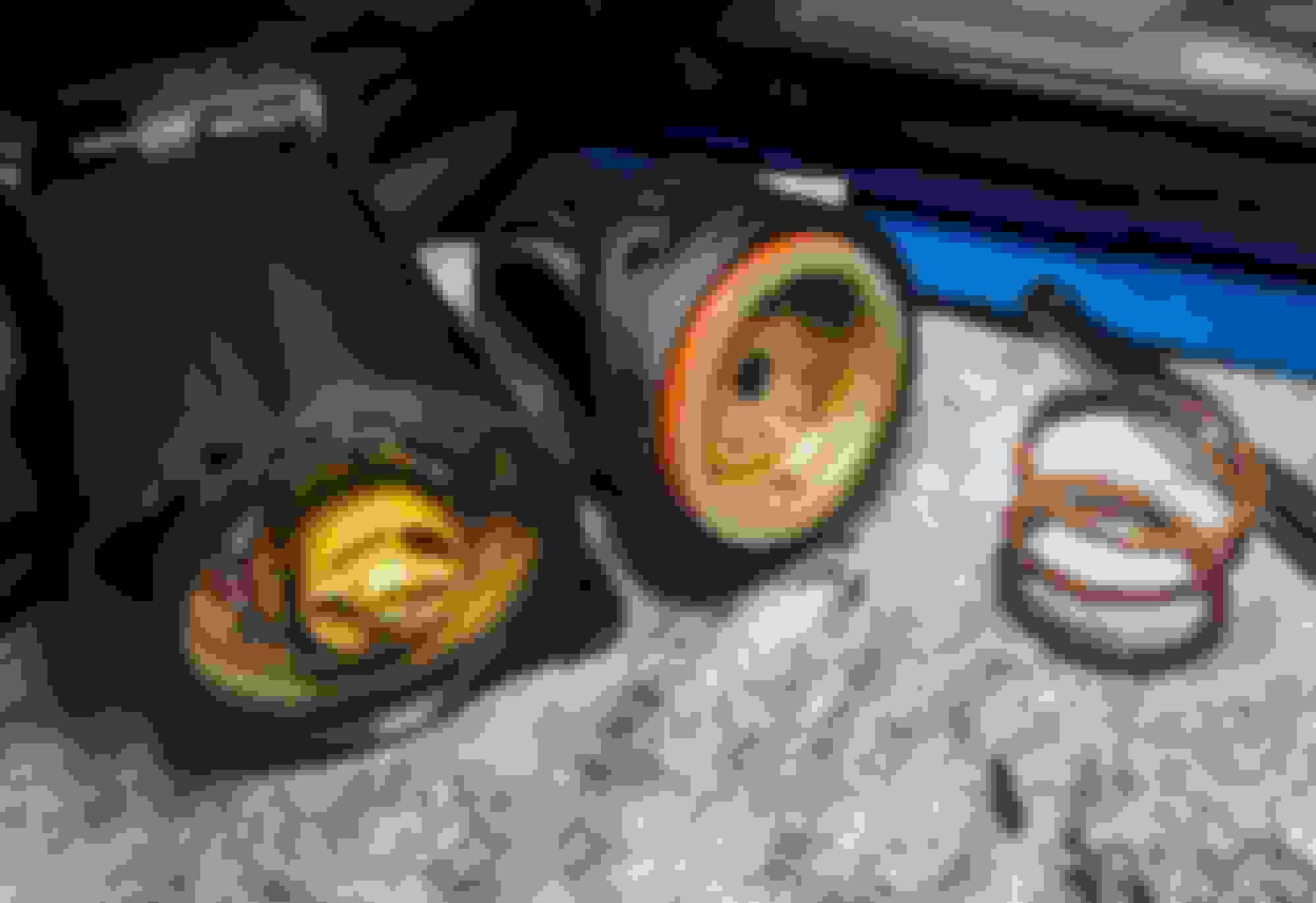
Teflon piston ring definitely needed replacing, it was badly pitted.
This is the desiccate chamber. The spring was so corroded it had to be replaced. Found the right diameter galvanized spring in a Rain-bird sprinkler head, just had to cut it shorter. Removed ALL corrosion.
This is the valve coming in from the piston chamber, everything was dirty but very rebuild-able (except for that big spring).
Everything on the intake side of the desiccate chamber had corrosion, but the desiccate did its job and everything after it was dry and corrosion free.
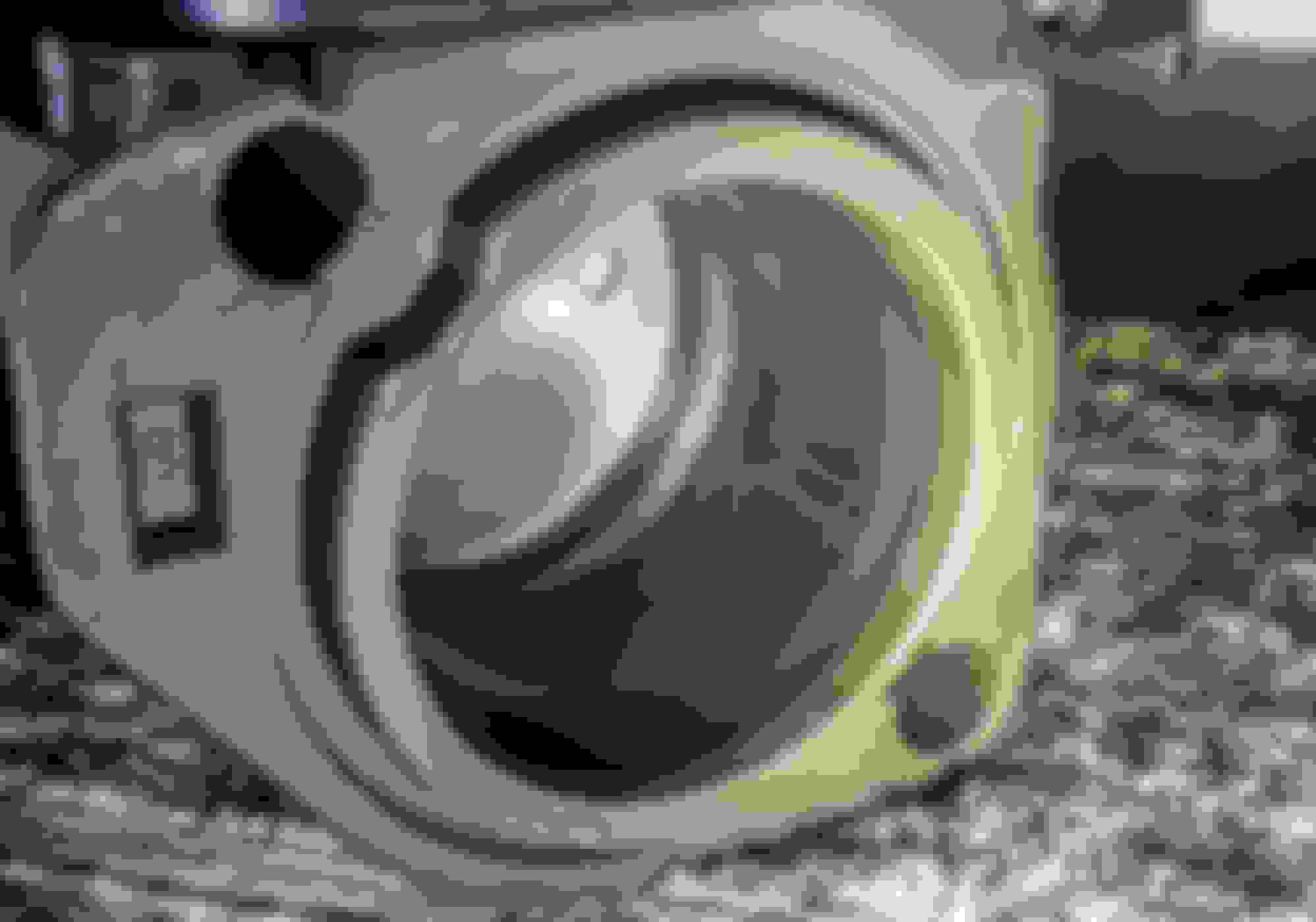
This is the back side of the desiccate chamber, moisture had already crept around the outside to this area but none made it to the air outlet. Very well designed.
This will be the eventual killer of the compressor. The piston chamber had some significant scoring about 1/3 of the way around it. I smoothed it out pretty nicely but it will no doubt prematurely wear out the new teflon ring. We'll see how long it goes.
I wish I would've taken more pics but what was supposed to be a two hour job lasted all day! I heated the desiccate beads for about 3 hours at 500F which I think is more than enough. I cleaned up both the pressure relief valve and the electric ride height relief valve. The rebuild came out real nice if I do say so myself!
I've read other members saying they did the piston ring rebuild but are still getting the ASF, well I wouldn't doubt that if these other issues are not addressed you still might end up with poor compressor performance. Just wanted to share so that when you do your compressor, you won't stop at the O-ring!
Many thanks for a very informative post. I have always had doubts about the water trap and whether water gets past it into the system. With your examination, I am now much more relaxed about it. Of course the ASM software includes a blow-out routine to blow the water back out of the water trap after a journey. This is heard as a whoosh of air after the car is stopped and the engine shut off. We often see posts on here from new owners wondering if anything is wrong when they hear this whoosh.
When it all gets too knackered to fix, a new compressor is not tooooo expensive.
I'm not sure the purpose of that air release is to blow air back through the dessicant to dry it, although it will have that effect of course.
I think the air release is because when the driver, and passengers if any, get out the load on the suspension decreases and the car rises. The air release is simply the car lowering itself back to its correct height.
Last edited by Partick the Cat; Nov 5, 2017 at 05:48 PM.
Looking at your pictures and considering the working conditions within the compressor (humidity), all the metallic components there should be stainless steel whenever possible!
Many thanks for a very informative post. I have always had doubts about the water trap and whether water gets past it into the system. With your examination, I am now much more relaxed about it. Of course the ASM software includes a blow-out routine to blow the water back out of the water trap after a journey. This is heard as a whoosh of air after the car is stopped and the engine shut off. We often see posts on here from new owners wondering if anything is wrong when they hear this whoosh.
When it all gets too knackered to fix, a new compressor is not tooooo expensive.
So is that why I sometimes hear a big quick whoosh, while other times it's a smaller longer hiss, and still other times it's both; the blow-out and the leveling?
I bought a cheap compressor piston ring on ebay. It was a waste of money. It produced a permanent error message. Then I found the information about Bagpipingandy on here. It was a little more expensive, but worked perfectly. Don't waste your money on cheap copies : get a genuine bagpipingandy kit.






 Wabco compressor rebuild (early model)