When you click on links to various merchants on this site and make a purchase, this can result in this site earning a commission. Affiliate programs and affiliations include, but are not limited to, the eBay Partner Network.
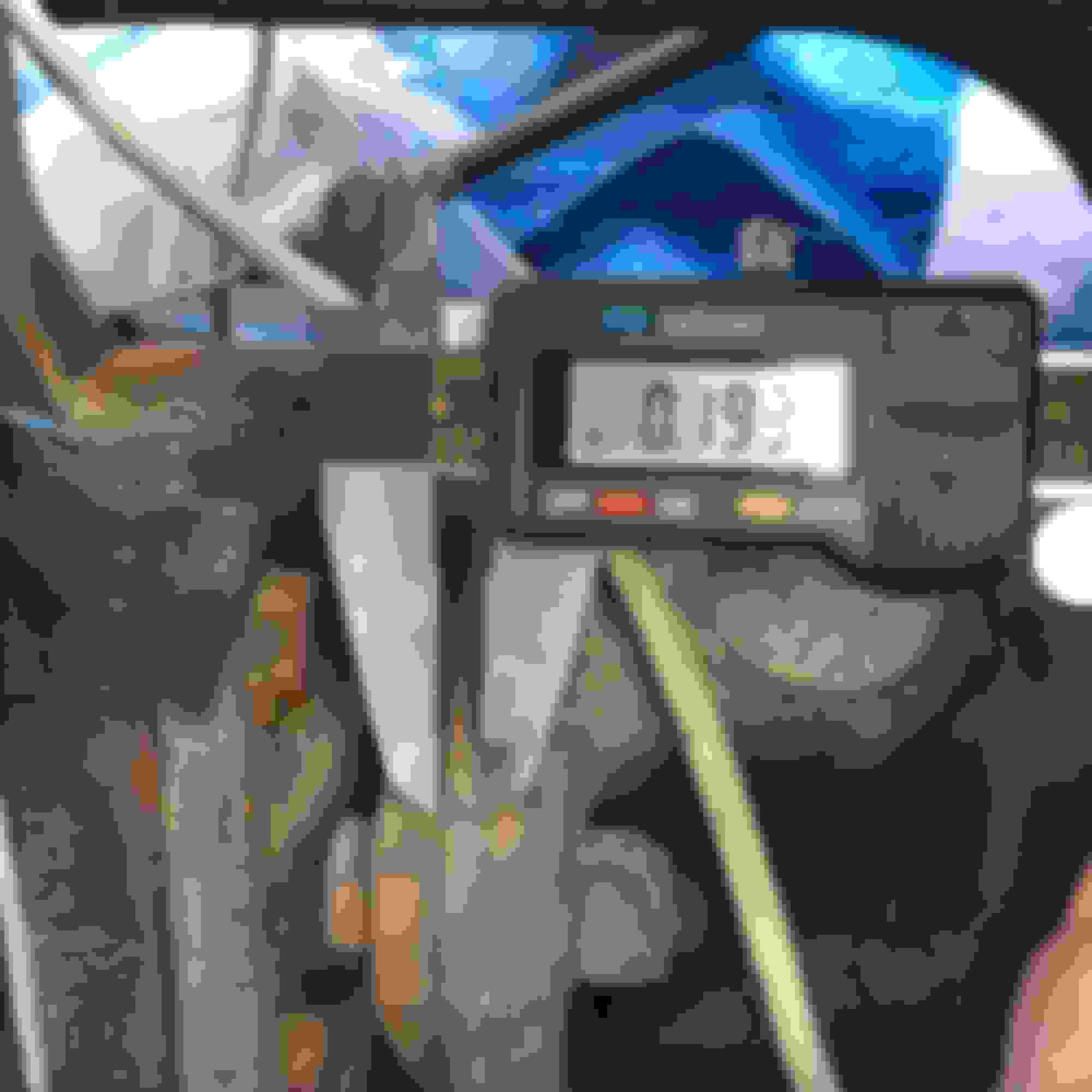
As Warrjon says, you MUST buy the proper shins from Jaguar. They are expensive but are essential and safety critical. If you look at the link Doug gave above, they are actually called driveshaft spacers and come in thicknesses from 3.5 to 7mm.
If you are considering using (say) 30 thin shims in place of one proper spacer would be a very unwise and I would think dangerous considering the forces involved. I strongly believe that a thick stack of thin shims would not be safe to use in place of a single spacer (or at most two spacers if needed, as max spacer thickness available is 7mm I think).
Agreed.
The mating flanges have registration rings which mate to the inside
diameter of the spacers. This is much like the hub centric arrangement
of the wheel/hub inteface in that it locates the assembly concentrically
and takes the load.
Using a stack of shims would not achieve the same function.
Given the arrangement, it would still be reasonably safe to use the
following arrangement if 7.5mm is not thick enough:
flange:shim:spacer:shim:flange
as there will still be most of the concentric flange mating to locate
the load
The thickest spacer listed is 7.5mm.
The dry torque figure for the same nut in JTIS for the X308 is 81NM to 99NM,
or 75 ft/lb and call it a day.
pro tip: the bolt pattern on the flange is arranged as a rectangle, not a square.
if you have a problem getting the bolts lined up, rotate 90 degrees. found this
out the hard way last month
the X308 is much more awkward in terms of access to the flange nuts due to
the use of a larger u-joint resulting in greater shrouding of the access path
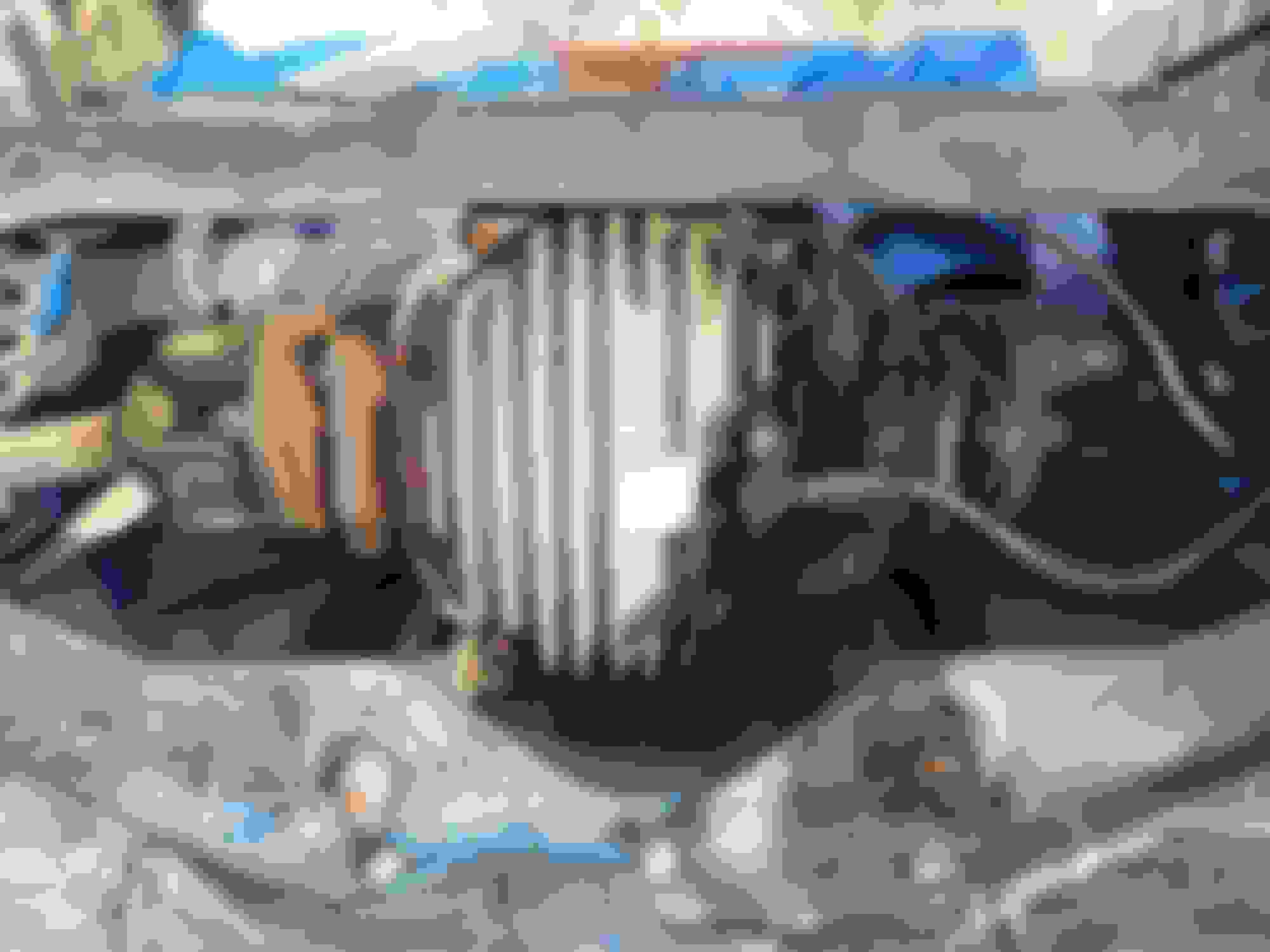
The pictured IRS seems to be either one for an e type or is heavily modified for a
non Jag application,. Nice picture and nice work.
A tube full of water aka manometer is slick gear. I've seen the technique used to determine the level or lack thereof of a building floor.
I have one for other uses, not by me, ion m y tool collection.
My son uses a version on his flow bench.
The two floor tile idea is neat. I get it. Slick sides with wax or oil facing each other.
Sticky sides, one to the floor and one to the tire. Now, the tire under a bit of loads can be slightly manipulated in camber and toe!!!
Alignment shops use the principle with specialized pads.
I just hope the lower arm isn't bent.
Yup, the shaft flange to differential relies on friction. Washers alone would provide much ;less and the fastener's load n shear would increase dramatically.
Same principle as wheel spacers. Gotta fit, just right, or.....
Off to watch TV football, two local teams to day.
Chores done. Messed with tool restification. Prep for water heater swap out commenced.
Please be aware that the nuts that hold the halfshaft to the diff output flange are 11/16" AF.....THEY ARE NOT METRIC!!!!!!!!!!!!!!!!!!!!!!!!!!!
Some people pound a 17mm socket onto the nuts but they are English Measurement 11/16" 'across the flats'.
I use a 6 point thin wall chrome socket that is SCARRED from years of use for this purpose. The outside of the socket will contact the 'U'joint flange. Impact sockets are too thick.
Please be aware that the nuts that hold the halfshaft to the diff output flange are 11/16" AF.....THEY ARE NOT METRIC!!!!!!!!!!!!!!!!!!!!!!!!!!!
Some people pound a 17mm socket onto the nuts but they are English Measurement 11/16" 'across the flats'.
I use a 6 point thin wall chrome socket that is SCARRED from years of use for this purpose. The outside of the socket will contact the 'U'joint flange. Impact sockets are too thick.
bob gauff
There were a couple on mine where even thin wall sockets would not work.
Many on/off cycles with a box end. 11/16 of course
I discovered the 11/16" thing just in time after nearly stripping the nut. I managed to get it off with no issues using an 11/16" socket. I had to turn the wheel to get the appropriate amount of space to fit the socket in there. I used a slim but standard 11/16" socket.
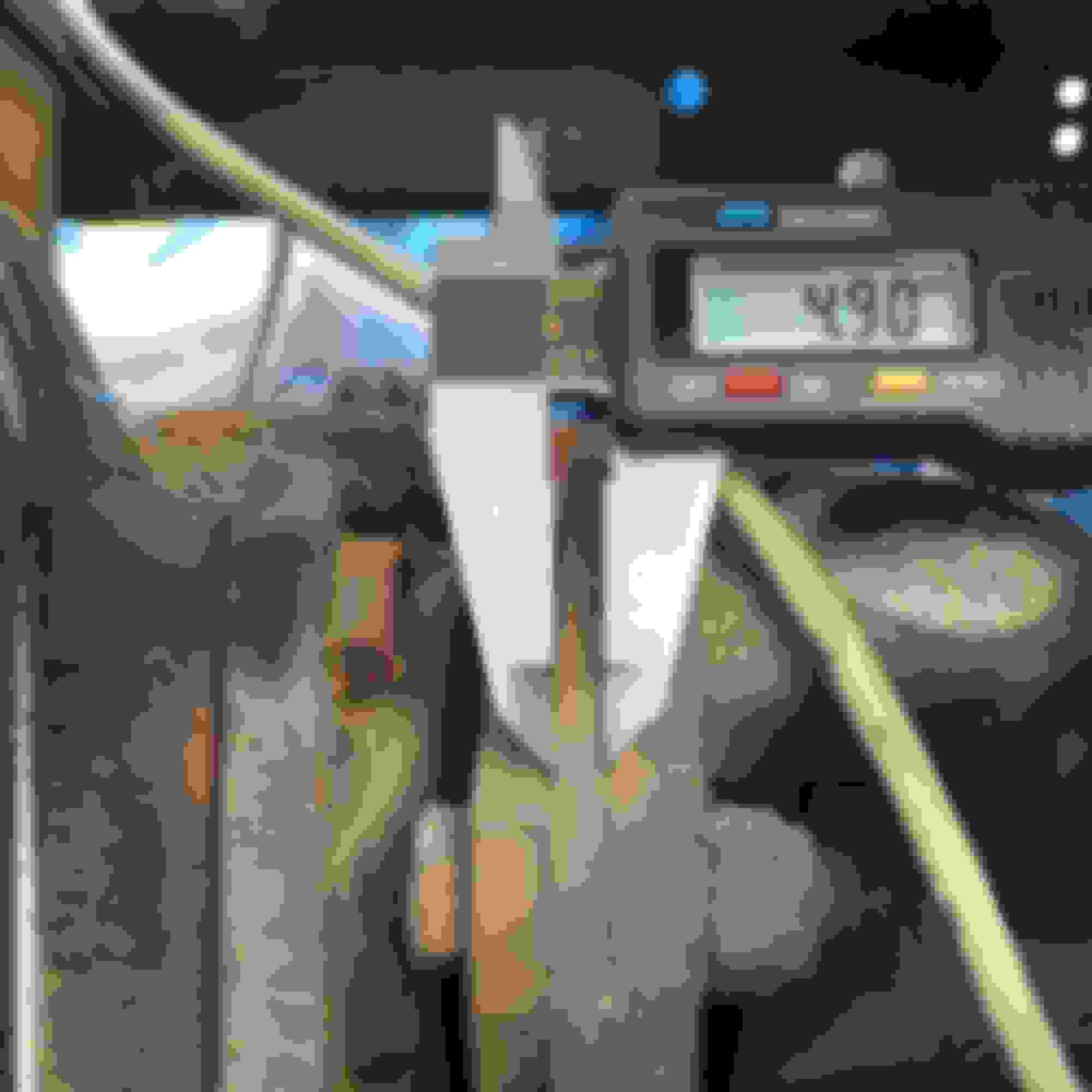
It looks like I am not going to make .5 degrees. Its going to be more like -1.2. I still have to lower it to know for sure but its at about -.7, -.8 up on the jack.
Is this going to be an issue. Will have to order the larger spacers? They an 8mm. I'd rather not go through the hassle. I also read somewhere that sometimes negative camber is increased on purpose. It is actually a mod for the xjs. I have the sport rack bushings. Could it be they intentionally made all that neg camber? Its much much better now even though it will not be at -.5 ...
It looks like I am not going to make .5 degrees. Its going to be more like -1.2. I still have to lower it to know for sure but its at about -.7, -.8 up on the jack.
Is this going to be an issue. Will have to order the larger spacers? They an 8mm. I'd rather not go through the hassle. I also read somewhere that sometimes negative camber is increased on purpose. It is actually a mod for the xjs. I have the sport rack bushings. Could it be they intentionally made all that neg camber? Its much much better now even though it will not be at -.5 ...
Rear camber for xjrs is listed as -1.3 degrees anyway (rather than the .5 for xjs) according to tech bulletin 60-5 so l would be inclined to set it at that.
Rear camber for xjrs is listed as -1.3 degrees anyway (rather than the .5 for xjs) according to tech bulletin 60-5 so l would be inclined to set it at that.
great. Im sitting right about there. It drives much better especially in turns. It was originally at about -4 -5 degrees. It was just eating tires.
I was reading your forum and something jumped out at me. I have recently purchased a 94 XJS (possibly an Insignia Edition) and the back tired were eaten down to the chords nearly on the inside of the tires. I put some used ones on the back just figuring the car had set around and wasn't very well maintained.
In driving around town I have been hearing a noise in what I thought was the passenger side rear hub area. I thought that my brakes were maybe catching and not releasing or the hand brake was not fully disengaged. I took i to a shop to day and they showed me that driver side rear tire rocks a bit in and out. The otherside does not.
Could this be a sign of a missing spacer? Could this also be the source of the noise?
I was reading your forum and something jumped out at me. I have recently purchased a 94 XJS (possibly an Insignia Edition) and the back tired were eaten down to the chords nearly on the inside of the tires. I put some used ones on the back just figuring the car had set around and wasn't very well maintained.
In driving around town I have been hearing a noise in what I thought was the passenger side rear hub area. I thought that my brakes were maybe catching and not releasing or the hand brake was not fully disengaged. I took i to a shop to day and they showed me that driver side rear tire rocks a bit in and out. The otherside does not.
Could this be a sign of a missing spacer? Could this also be the source of the noise?
Any help is much appreciated.
Tony in NM
No, it is a sign of a failed hub bearing or a failed differential output shaft or similar, or loose wheelnuts! Even with no shims or 10 shims the wheel should not be loose.
I was reading your forum and something jumped out at me. I have recently purchased a 94 XJS (possibly an Insignia Edition) and the back tired were eaten down to the chords nearly on the inside of the tires. I put some used ones on the back just figuring the car had set around and wasn't very well maintained.
In driving around town I have been hearing a noise in what I thought was the passenger side rear hub area. I thought that my brakes were maybe catching and not releasing or the hand brake was not fully disengaged. I took i to a shop to day and they showed me that driver side rear tire rocks a bit in and out. The otherside does not.
Could this be a sign of a missing spacer? Could this also be the source of the noise?
Any help is much appreciated.
Tony in NM
I second Greg's comment. Had the same symptoms you've described above. Somebody before me tried to fix it, replaced the castellated nut with a metric front wheel drive hub nut, buggered the threads in the process and did not put back the hub shims to set the end float correctly. My bearing started squeaking as soon I got the car back on the road, but it was too late to save the hub. Now, mine is a 92 with ABS like yours and replaced it with a XJ6 III hub w/o sensor and used some of the shims of that car too. Those shims and hub (new) are very expensive and the wheel bearing and castellated nut were not on the cheap side either. In your case, I would stop driving any further to save that hub if it's not already to late.